

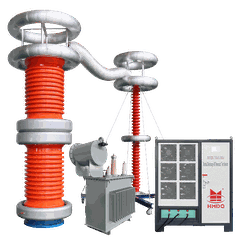


In the realm of electrical power, the choice between a Variable Frequency Power Supply (VFPS) and a regular power supply can significantly impact the performance, efficiency, and safety of electrical equipment. As a supplier of Variable Frequency Power Supplies, I've witnessed firsthand the transformative power of these advanced systems. In this blog, I'll delve into the differences between VFPS and regular power supplies, exploring their unique features, applications, and benefits.
Understanding Regular Power Supplies
Regular power supplies, also known as fixed-frequency power supplies, are the most common type of power source used in electrical systems. They provide a constant voltage and frequency output, typically at a standard frequency of 50 or 60 Hz, which is determined by the electrical grid. These power supplies are designed to meet the basic power requirements of most electrical devices and are widely used in residential, commercial, and industrial settings.
One of the key advantages of regular power supplies is their simplicity and reliability. They are relatively easy to install and maintain, and they offer a stable and consistent power output. However, their fixed frequency output limits their flexibility and adaptability, making them less suitable for applications that require variable frequency control.
Exploring Variable Frequency Power Supplies
Variable Frequency Power Supplies, on the other hand, offer a more advanced and versatile solution for powering electrical equipment. These power supplies are capable of adjusting the output frequency and voltage to meet the specific requirements of different applications. By varying the frequency, VFPS can control the speed and torque of electric motors, optimize the performance of electrical devices, and improve energy efficiency.
One of the primary advantages of VFPS is their ability to provide precise control over the power output. This allows for greater flexibility in system design and operation, enabling users to tailor the power supply to the specific needs of their equipment. Additionally, VFPS can help reduce energy consumption by adjusting the output frequency to match the load requirements, resulting in significant cost savings over time.
Key Differences between VFPS and Regular Power Supplies
Frequency Control
The most significant difference between VFPS and regular power supplies is their ability to control the output frequency. Regular power supplies provide a fixed frequency output, typically at 50 or 60 Hz, while VFPS can adjust the frequency within a wide range, typically from a few Hz to several kHz. This variable frequency control allows VFPS to power a wider range of electrical equipment, including motors, generators, and other devices that require variable speed operation.
Voltage Regulation
Another key difference between VFPS and regular power supplies is their voltage regulation capabilities. Regular power supplies typically provide a fixed voltage output, which may not be suitable for applications that require precise voltage control. VFPS, on the other hand, can regulate the output voltage to a high degree of accuracy, ensuring that the electrical equipment receives a stable and consistent power supply.
Energy Efficiency
VFPS are generally more energy-efficient than regular power supplies. By adjusting the output frequency to match the load requirements, VFPS can reduce the energy consumption of electrical equipment, resulting in lower operating costs and a smaller carbon footprint. Additionally, VFPS can help improve the power factor of electrical systems, which further enhances energy efficiency.
Application Flexibility
VFPS offer greater application flexibility than regular power supplies. They can be used in a wide range of industries and applications, including industrial automation, aerospace, automotive, and renewable energy. VFPS can power a variety of electrical equipment, including motors, generators, transformers, and other devices that require variable frequency control.
Applications of Variable Frequency Power Supplies
Industrial Automation
In industrial automation, VFPS are used to control the speed and torque of electric motors, enabling precise control over manufacturing processes. By adjusting the frequency of the power supply, VFPS can optimize the performance of motors, reduce energy consumption, and improve productivity.
Aerospace and Defense
In the aerospace and defense industries, VFPS are used to power critical equipment, such as radar systems, communication devices, and avionics. The ability to provide a stable and reliable power supply at variable frequencies is essential for ensuring the proper operation of these systems in demanding environments.
Automotive
In the automotive industry, VFPS are used in electric vehicle (EV) charging stations and battery management systems. By providing a variable frequency power supply, VFPS can optimize the charging process, reduce charging time, and extend the lifespan of EV batteries.
Renewable Energy
In the renewable energy sector, VFPS are used to convert the variable frequency output of wind turbines and solar panels into a stable and usable power supply. By adjusting the frequency of the power output, VFPS can ensure that the renewable energy sources are integrated seamlessly into the electrical grid.
Related Products
As a supplier of Variable Frequency Power Supplies, we also offer a range of related products, including AC Resonant Test Set, Container AC Resonant Test System, and AC Resonant Test System for CVT. These products are designed to meet the specific testing and measurement requirements of electrical equipment, ensuring its safety and reliability.


Conclusion
In conclusion, the choice between a Variable Frequency Power Supply and a regular power supply depends on the specific requirements of your application. While regular power supplies offer simplicity and reliability, VFPS provide greater flexibility, precision, and energy efficiency. As a supplier of Variable Frequency Power Supplies, we are committed to providing our customers with high-quality products and exceptional service. If you have any questions or would like to learn more about our products, please don't hesitate to contact us. We look forward to working with you to find the best power solution for your needs.
References
- "Variable Frequency Drives: Principles and Applications" by Benjamin K. Bose
- "Power Electronics: Converters, Applications, and Design" by Ned Mohan, Tore M. Undeland, and William P. Robbins
- "Electrical Power Systems Quality" by Roger C. Dugan, Mark F. McGranaghan, Surya Santoso, and H. Wayne Beaty


