

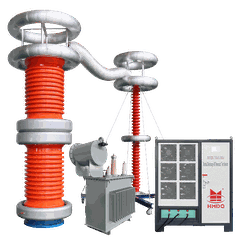


A cable path detector is an essential tool in the field of electrical engineering and infrastructure management. As a supplier of cable path detectors, I am often asked about the range of these devices. In this blog post, I will delve into the factors that influence the range of a cable path detector and provide a comprehensive overview of the typical ranges you can expect.
Understanding the Basics of Cable Path Detectors
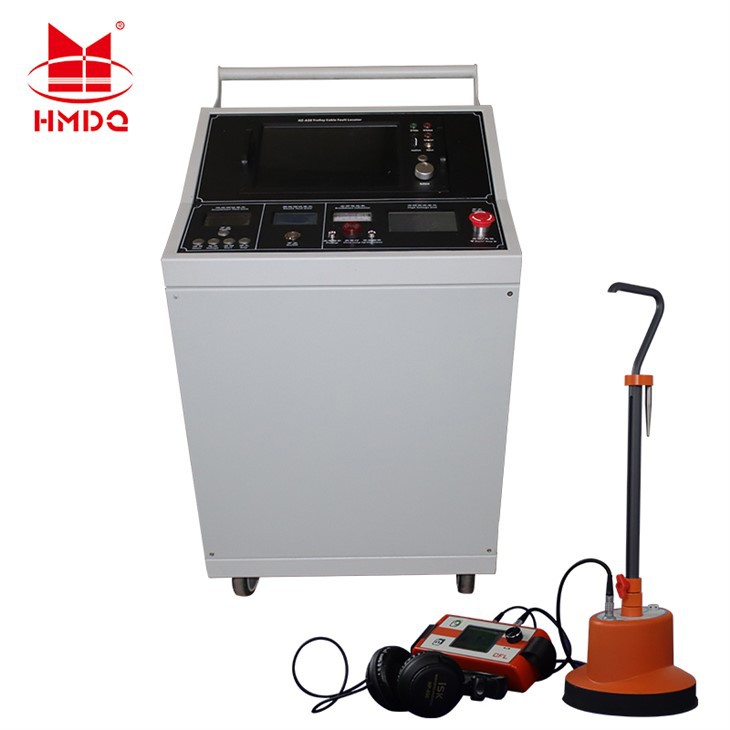
Before we discuss the range, it's important to understand how cable path detectors work. These devices are designed to locate and trace the path of electrical cables underground or within walls. They typically use a combination of electromagnetic fields and acoustic signals to detect the presence and position of cables.
The basic principle involves sending a signal through the cable, which creates an electromagnetic field around it. The detector then picks up this field and uses it to determine the cable's location. Some detectors also use acoustic signals to confirm the presence of a cable, especially in cases where the electromagnetic field is weak or difficult to detect.
Factors Affecting the Range of a Cable Path Detector
The range of a cable path detector can vary significantly depending on several factors. Here are some of the key factors that influence the range:
Cable Type and Condition
The type and condition of the cable can have a significant impact on the range of the detector. For example, a well-insulated cable will generally have a stronger electromagnetic field, which can be detected over a longer distance. On the other hand, a damaged or corroded cable may have a weaker field, reducing the detector's range.
Soil and Ground Conditions
The soil and ground conditions where the cable is buried can also affect the range. For instance, in dry, sandy soil, the electromagnetic field can travel further, resulting in a longer detection range. In contrast, in wet or clayey soil, the field may be absorbed or distorted, reducing the range.
Interference
Interference from other electrical devices or underground utilities can also limit the range of the detector. For example, if there are other cables or pipes in the vicinity, they may create their own electromagnetic fields, which can interfere with the signal from the target cable.
Detector Sensitivity
The sensitivity of the detector itself is another important factor. A more sensitive detector can pick up weaker signals, allowing it to detect cables over a longer distance. However, increasing the sensitivity also increases the risk of false positives, so it's important to find the right balance.
Typical Ranges of Cable Path Detectors
The range of a cable path detector can vary widely depending on the factors mentioned above. In general, most detectors have a range of a few meters to several tens of meters.
For example, in ideal conditions, a high-quality detector may be able to detect a cable up to 50 meters away. However, in more challenging conditions, such as in wet soil or in the presence of significant interference, the range may be reduced to just a few meters.
It's also important to note that the range can vary depending on the type of detector. Some detectors are designed for short-range applications, such as locating cables within a building, while others are designed for long-range applications, such as tracing cables over large areas.
Our Product Range
As a supplier of cable path detectors, we offer a wide range of products to meet the needs of different customers. Here are some of our popular products:
- Acoustic and Magnetic Cable Fault Locator with TDR: This detector combines acoustic and magnetic technologies with Time Domain Reflectometry (TDR) to provide accurate and reliable cable fault location. It has a range of up to 20 meters in ideal conditions.
- Multi-pulse Cable Fault Tester: This tester uses multi-pulse technology to detect and locate cable faults with high precision. It has a range of up to 30 meters in ideal conditions.
- DC Withstand Voltage Burning Source: This device is used to apply a high DC voltage to the cable to burn through any faults. It has a range of up to 10 meters in ideal conditions.
- 35kV Trolley Type Underground Cable Detection: This detector is designed for long-range applications and can detect cables up to 50 meters away in ideal conditions.
- Fully Intelligent Cable Fault Locator System: This system uses advanced algorithms and artificial intelligence to provide accurate and efficient cable fault location. It has a range of up to 40 meters in ideal conditions.
Choosing the Right Cable Path Detector
When choosing a cable path detector, it's important to consider your specific needs and requirements. Here are some factors to keep in mind:
Range
As discussed earlier, the range of the detector is an important factor to consider. Make sure to choose a detector with a range that is suitable for your application.

Accuracy
The accuracy of the detector is also crucial. Look for a detector that can provide accurate and reliable results, even in challenging conditions.
Ease of Use
The detector should be easy to use, especially if you are not an experienced technician. Look for a detector with a user-friendly interface and clear instructions.
Durability
The detector should be durable and able to withstand harsh environments. Look for a detector that is made of high-quality materials and has a robust design.
Conclusion
In conclusion, the range of a cable path detector can vary significantly depending on several factors, including cable type and condition, soil and ground conditions, interference, and detector sensitivity. As a supplier of cable path detectors, we offer a wide range of products to meet the needs of different customers. When choosing a detector, it's important to consider your specific needs and requirements, including range, accuracy, ease of use, and durability.
If you are interested in purchasing a cable path detector or have any questions about our products, please feel free to contact us for a consultation. We are here to help you find the right solution for your needs.
References
- Electrical Engineering Handbook, Third Edition, edited by Richard C. Dorf
- Cable Fault Location and Testing, by John A. Blackburn
- Underground Cable Fault Location, by J. A. Blackburn and T. J. Domin


