

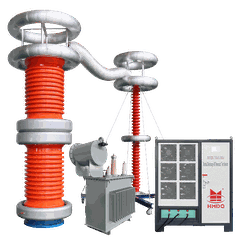



Advanced SF6 Gas Recovery System: Enhancing Substation Operational Efficiency and Environmental Safety
Introduction
Sulfur hexafluoride gas is widely used in high-voltage electrical equipment due to its exceptional insulation properties and arc-quenching characteristics. However, as a potent greenhouse gas, SF6 requires strict management to minimize environmental impact. Modern SF6 gas recovery equipment plays a critical role in this process by integrating advanced technology with eco-friendly practices. This article explores how these systems-particularly through efficient gas purification techniques-enhance substation operational efficiency and sustainability.

The critical role of gas purification technology
The fundamental capability of any sulfur hexafluoride gas recovery system lies in its purification capacity. During routine maintenance or troubleshooting, SF₆ gas can become contaminated with moisture, decomposition products, and solid particles. If these contaminants are not properly addressed, they can degrade equipment performance and pose a safety risk.
The key elements of advanced purification technology are as follows:
- Multi-stage filtration: Successive filtration of oil mist, dust, and other particles using cascade filters ensures high-purity gas output.
- Moisture and decomposition product removal: Moisture and harmful gases such as sulfur dioxide can be removed using adsorbent and cryogenic separation techniques, in accordance with the IEC 60480 international standard.
- Intelligent monitoring systems: Integrated sensors continuously monitor gas quality, enabling real-time adjustment and predictive maintenance.
Applications in modern electrical infrastructures
The efficient recovery of SF6 gas is vital in many cases:
- Transformer maintenance: During regular inspections, these devices minimize downtime by enabling rapid gas extraction, cleaning, and refilling.
- Fault management: In the event of equipment failure, they facilitate the safe recovery of gas, preventing uncontrolled emissions.
- Global projects: Such systems are increasingly being deployed in emerging markets, including regions participating in international infrastructure initiatives where reliability and sustainability are priorities.
These recovery units, which feature state-of-the-art capabilities such as automated control and energy-efficient components, help utility companies achieve more environmentally friendly operations without compromising performance.
Conclusion
SF6 gas recovery systems are not merely tools, but also prerequisites for the future of sustainable energy supply. Focusing on advanced purification technologies, these systems increase the efficiency of substations and protect the environment by ensuring the responsible management of SF6 gas. As the industry evolves, implementing such solutions will be crucial for achieving both operational and ecological goals. For those looking to modernize their gas management practices, exploring modern recovery options can yield significant long-term benefits.


