

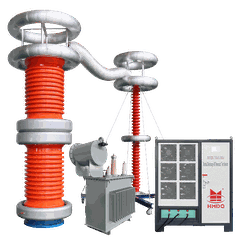


Latest developments in transformer test benches for reliable electrical equipment diagnostics
Transformers are critical components of electrical power systems, and their reliability directly affects the stability and safety of electrical networks. Transformer test benches have evolved into modern diagnostic platforms that enable comprehensive assessment of transformer condition and performance. These integrated systems combine various testing capabilities, simplifying maintenance procedures while ensuring accuracy and compliance with international standards.

Key features of modern transformer testers
Today's transformer testers integrate several basic test modules into a single system:
Turns ratio measurement: accurately evaluates the connections between windings to detect short circuits or insulation deterioration.
Insulation resistance testing: evaluates dielectric integrity using advanced megohmmeter technology.
Power factor testing: Identifies insulation aging and moisture content by analyzing the loss factor.
Winding resistance measurement: Detects loose connections and contact deterioration with low-voltage DC tests.
Dynamic response analysis: Simulates operating conditions to evaluate transformer behavior.
This integration eliminates the need for multiple standalone devices, significantly reducing setup time and mitigating the risk of discrepancies between measurement results.
Precision engineering work and measurement accuracy
The technical foundation of advanced transformer test equipment lies in its measurement systems. Utilising high-resolution analogue-to-digital converters and sophisticated signal processing algorithms, these systems achieve outstanding accuracy in parameter quantification. For instance, modern test benches can detect winding ratio deviations as low as 0.1%, enabling the identification of initial defects long before they develop into catastrophic failures.
Calibration traceability to international standards ensures measurement reliability, while temperature compensation algorithms maintain accuracy under changing environmental conditions. This level of precision is particularly vital for public utility companies implementing condition-based maintenance strategies, where precise data serves as a key operational metric.
Knowledge analysis using a transformer test bench
We process and analyse raw data obtained during testing to gain in-depth insight into the condition of transformers.
A. Types of analyses performed:
Trend analysis: The most powerful analytical technique. By comparing historical data for the same transformer with current results, it is possible to identify a gradual decline in performance (e.g. a steadily increasing power factor indicates ageing insulation). This means that the condition of the asset is no longer a fragmentary snapshot, but a picture covering the entire period of time.
Fleet analysis: Analysing data from test benches of hundreds of similar transformers (same model, same year of manufacture, similar load, etc.) allows patterns to be identified. This makes it possible to predict specific problems ('all transformers from batch X show an increase in furan values after 15 years').
Root cause analysis (RCA): It is crucial to analyse the correlations between the results of different tests. For example:
Scenario: Increase in dielectric losses and detection of partial discharge (PD) activity in DGA.
Analysis: The correlation between these three results clearly indicates a specific underlying cause, such as severe partial discharges caused by moisture, which would not have been apparent from a single test.
Condition assessment and risk classification: Analytical models provide the transformer with a quantitative condition assessment or risk probability based on weighted input data from various test results. This information directly influences the prioritization of maintenance or replacement budgets.
Predictive analysis: Machine learning models trained on decades of test data collected in research facilities can predict remaining useful life (RUL) by identifying pre-failure signals.
B. Analysis process:
Data acquisition: The testing facility performs tests and collects raw data in the form of waveforms, measured values, and device settings.
Preprocessing: The data is cleaned, filtered (e.g., PD measurement noise), and formatted.
Comparison: The software automatically compares the results with: (a) factory default values, (b) previous field test data, (c) pass/fail limits derived from standards.
Correlation and synthesis: An expert system or engineer correlates the results of different tests and prepares a comprehensive diagnosis.
Reporting and action: The analysis concludes with a recommendation for specific actions: "No action required," "Monitor closely."
Important considerations regarding selection and application
To ensure that the test bench delivers reliable results and long-term operation, the following factors must be taken into account:
Selection criteria
Parameter matching: Ensure that the voltage/current range of the test bench covers the rated values of the transformer (e.g., a 35 kV transformer requires a test bench with a voltage withstand capacity of ≥ 85 kV).
Accuracy class: Prioritize high accuracy for critical parameters (e.g., ±0.1% for the turns ratio, ±0.05% for DC resistance) to meet industry standards.
Safety compliance: Select test benches that are certified according to IEC 61010 (safety standard for electrical test equipment) and have overvoltage/overcurrent protection and grounding.
Precautions for use
Preparation before testing:
Disconnect the transformer from the power supply and discharge capacitive windings (to avoid electric shock).
Clean the insulation surfaces (dust/oil can lead to incorrect low insulation resistance values).
Ambient conditions: Avoid testing in environments with high humidity (>85%) or strong electromagnetic interference (to avoid data distortion).
Calibration: Calibrate the test bench annually (by national measurement institutes) to maintain measurement accuracy.
The transformer test bench is the most important tool for converting electrical measurements into sound, practical information about the condition of the most critical equipment in the grid.
With the growth of smart grids and renewable energy, transformer test benches are evolving in three directions:
Digitization: integration with cloud platforms for remote data monitoring and historical trend analysis (e.g., tracking insulation degradation over time).
Smart failure prediction: Use of AI algorithms (e.g., machine learning) to predict potential failures based on real-time test data (reducing unplanned outages).Environmental friendliness: Development of low-power modules and reusable test kits for insulating oil to meet green production goals.
It disseminates information by providing manufacturers, energy suppliers and regulatory authorities with clear, standardised evidence of quality and condition. It analyses the information by enabling trend analysis, fleet comparison analysis and predictive diagnostics, thereby driving a shift from reactive repairs to proactive, data-driven equipment management. Ultimately, it is a central pillar for ensuring the stability, reliability and efficiency of the entire power grid.


