


Introduction
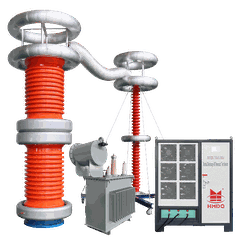
High-voltage testing is essential to ensure the reliability of electrical infrastructure. Among the tools that enable such testing, dry AC test transformers have proven to be the preferred solution due to their unique advantages in terms of safety and operation. Unlike traditional oil-filled transformers, these devices eliminate the need for flammable insulating fluids, making them ideal for modern testing environments.
Key advantages of dry-type design
The absence of insulating oil is the defining feature of these transformers. This design utilises advanced materials, such as epoxy resin or composite insulation, to encapsulate the windings. Key advantages include:
- Increased safety: By removing flammable oils, the risk of fire or explosions in environments such as chemical plants or underground substations is significantly reduced.
- Low maintenance: With no oil checks or leak monitoring required, these transformers require minimal maintenance, reducing long-term operating costs.
- Environmental adaptability: They operate reliably in extreme temperatures or confined spaces where liquid insulation would be impractical.
Areas of application in high-voltage testing
Dry AC test transformers are often used for AC strength testing of cables, switchgear, and transformers. Their stability and portability make them suitable for:
Routine preventive maintenance in electrical networks.
Commissioning tests for renewable energy sources (e.g., solar or wind farms).
Verification of compliance with international standards (e.g., IEC 60060).
Conclusion
Dry-type AC test transformers represent a significant advance in high-voltage testing technology. Their oil-free design not only addresses safety concerns, but also meets the growing demand for efficient and sustainable testing solutions. For industries where reliability and safety are paramount, these transformers are indispensable tools.