

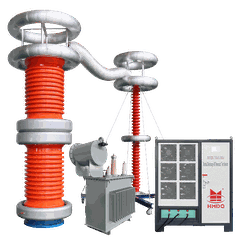


Fully automatic open cup flash point tester: increased safety and efficiency in industrial laboratories
Introduction
Flash point testing is an important procedure for determining the safety and quality of flammable liquids, particularly in the petroleum, chemical, and energy industries. The fully automatic open cup flash point tester represents a major technological advance that combines precision engineering with intelligent automation to optimize testing processes in accordance with strict international standards. This article explains the operating principles, main fields of application, and safety advantages of this modern equipment.

How the fully automatic open cup flash point tester works
Unlike manual or semi-automatic models, the fully automatic tester integrates sensors, temperature control modules, and programmable logic to perform the test with minimal human intervention. The main operating steps include:
Sample introduction: The previously measured liquid sample is poured into a standard open cup.
Precision heating: the system gradually heats the sample at a controlled rate, carefully monitoring temperature changes.
Ignition detection: An automatic ignition source periodically passes over the cup, while an optical or thermal sensor detects the ignition point, i.e., the minimum temperature at which the vapor temporarily burns.
Data recording: The results are recorded digitally, with options for real-time export or integration with the laboratory information management system (LIMS).
Applications Across Industries
From lubricants to biofuels, flash point data informs handling, storage, and transportation safety protocols. Common use cases include:
Petroleum Refining:Assessing gasoline, diesel, and kerosene compliance with safety regulations.
Chemical Manufacturing:Evaluating solvents, paints, and adhesives for flammability risks.
Aerospace and Automotive:Verifying hydraulic fluids and lubricants under extreme conditions.
Automated testers are especially valued in regions with rigorous safety frameworks, such as "Belt and Road" partner countries and Latin American markets, where adherence to international norms like ASTM D92 or ISO 2592 is mandatory for trade.
Safety and Regulatory Advantages
By automating the ignition and detection processes, these testers minimize exposure to flammable vapors, protecting personnel and facilities. Additional benefits include:
Standardization: Ensuring consistent alignment with ASTM, ISO, and GB/T standards.
Audit Readiness: Digital trails simplify compliance reporting for regulatory bodies.
Adaptability: Customizable parameters accommodate diverse sample types or emerging safety requirements.
Conclusion
Fully automated open cup flash point testing equipment is an example of innovation in industrial safety technology that combines accuracy, efficiency, and user protection. Given the growing global demand for flammable liquid products, the use of such advanced testing solutions is essential for responsible manufacturing and trade. Laboratories seeking to modernize their capabilities should prioritize equipment that balances automation with robust compliance features.
Applications in various industries
From lubricants to alternative bioenergy, flash point data serves as a guide for safety procedures in handling, storage, and transportation. Common applications include:
Oil refining: Assessing the compliance of gasoline, diesel, and kerosene with safety regulations.
Chemical manufacturing: Assessing the flammability of solvents, paints, and adhesives.
Aviation and automotive industries: Verifying hydraulic fluids and lubricants under extreme conditions.
Automated testing equipment is highly valued in regions with strict safety regulations, such as Belt and Road Initiative partner countries and South American markets, where compliance with international standards such as ASTM D92 or ISO 2592 is mandatory for business.
Safety and regulatory benefits
By automating ignition and detection processes, these testing devices reduce exposure to flammable vapors, protecting personnel and infrastructure. Additional benefits include:
Compliance with standards: Ensures consistent compliance with ASTM, ISO, and GB/T standards.
Auditability: Digital footprints facilitate compliance reporting to regulatory authorities.
Adaptability: Adjustable parameters can be adapted to different sample types or new safety requirements.
Conclusion
Fully automated open cup flash point testing equipment is an example of innovation in industrial safety technology that combines accuracy, efficiency, and user protection. Given the growing global demand for flammable liquid products, the use of such advanced testing solutions is essential for responsible manufacturing and trade. Laboratories seeking to modernize their capabilities should prioritize equipment that balances automation with robust compliance features.


