

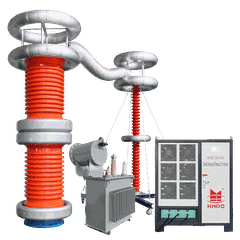


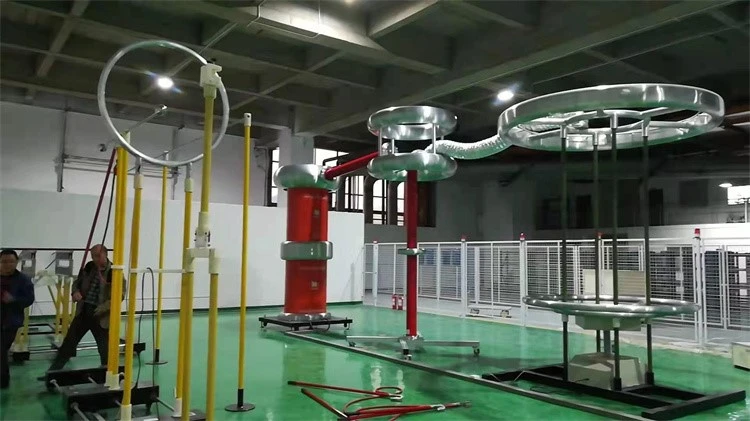
On-site power system test cylinder transformers play a critical role in ensuring the reliability and efficiency of electrical infrastructure. Designed for portability and precision, these devices enable technicians to perform accurate voltage regulation, load testing, and system diagnostics directly at the installation site. This article explores their key features, common applications, and factors to consider when selecting the right equipment.
Key Features of On-Site Test Cylinder Transformers
Portability and Compact Design
Unlike traditional transformers, on-site test cylinder transformers are engineered for mobility. Their cylindrical shape and lightweight construction simplify transportation, making them ideal for fieldwork in remote locations or confined spaces.
High Precision and Safety
These transformers are equipped with advanced monitoring systems to ensure stable voltage output and real-time data collection. Built-in safety mechanisms, such as overload protection and insulation monitoring, minimize risks during testing.
Versatile Compatibility
Designed to integrate with various power systems, they support multiple voltage ranges and frequency requirements, catering to industrial, commercial, and utility-scale applications.
Durability in Harsh Environments
Rugged enclosures protect internal components from dust, moisture, and temperature fluctuations, ensuring reliable performance in challenging conditions.
Common Applications of On-Site Test Cylinder Transformers
Preventive Maintenance: Conduct routine load tests to identify potential faults in transformers, circuit breakers, or switchgear before failures occur.
Commissioning New Systems: Verify the performance of newly installed power equipment to ensure compliance with operational standards.
Emergency Repairs: Quickly diagnose and resolve issues in power grids or industrial facilities during outages.
Renewable Energy Integration: Test the stability of solar or wind power systems when connecting to existing grids.
How to Choose the Right On-Site Test Cylinder Transformer
Power Capacity: Match the transformer's rated voltage and current to the system being tested.
Portability Requirements: Prioritize lightweight models with ergonomic handles or wheels for frequent fieldwork.
Data Reporting Capabilities: Opt for devices with digital interfaces for seamless data logging and analysis.
Certifications: Ensure compliance with industry standards (e.g., IEC, IEEE) for safety and performance.
Maintenance Tips for Long-Term Reliability
Regularly inspect cables, connectors, and insulation for wear.
Calibrate measurement tools annually to maintain accuracy.
Store the transformer in a dry, temperature-controlled environment when not in use.
Future Trends in On-Site Testing Technology
Emerging innovations, such as IoT-enabled transformers and AI-driven diagnostics, are poised to enhance predictive maintenance and remote monitoring capabilities, further reducing downtime and operational costs.
Conclusion
On-site power system test cylinder transformers are indispensable for maintaining the integrity of electrical networks. By combining portability, precision, and adaptability, they empower technicians to perform critical tests efficiently, ensuring uninterrupted power supply and system longevity. When selecting equipment, prioritize safety certifications, compatibility, and ease of use to maximize ROI in testing workflows.


