

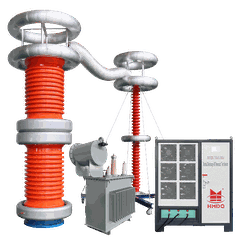



Hey there! As a supplier of AC Test Transformer - Dry Type, I often get asked a bunch of questions from customers. One question that pops up quite a bit is, "Can an AC Test Transformer - Dry Type be used in a corrosive environment?" Well, let's dig into this topic and find out.
First off, let's understand what an AC Test Transformer - Dry Type is. These transformers are a key piece of equipment in high - voltage testing. They're used to generate high - voltage alternating currents for testing the insulation performance of various electrical devices. They're dry - type, which means they don't use liquid insulation like oil - filled transformers. This makes them more environmentally friendly and easier to maintain in many cases.
Now, let's talk about corrosive environments. A corrosive environment is one where there are substances that can cause materials to deteriorate over time. This can include things like chemicals, saltwater, or even high humidity combined with pollutants. In industries such as chemical manufacturing, offshore oil and gas, and coastal power plants, these corrosive conditions are pretty common.
So, can our dry - type AC test transformers hold up in such harsh settings? The short answer is, it depends.


Factors Affecting Performance in Corrosive Environments
Material of Construction
The materials used to build the transformer play a huge role. Most dry - type transformers have windings made of copper or aluminum, and the core is usually made of laminated steel. Copper is known for its good corrosion resistance, but in extremely corrosive environments, it can still be affected. Aluminum, on the other hand, forms a thin oxide layer on its surface that provides some protection, but it's more vulnerable to certain chemicals.
The insulation materials are also crucial. Modern dry - type transformers often use epoxy resin or other synthetic materials for insulation. Epoxy resin is relatively resistant to many chemicals, but prolonged exposure to strong acids or alkalis can break it down.
Sealing and Enclosure
The way the transformer is sealed and the quality of its enclosure are important factors. A well - sealed transformer can prevent corrosive agents from getting inside and damaging the internal components. Some of our transformers come with IP (Ingress Protection) rated enclosures. For example, an IP54 rated enclosure offers protection against dust ingress and splashing water. However, in a highly corrosive environment, even a well - sealed enclosure might not be enough in the long run.
Maintenance and Monitoring
Regular maintenance and monitoring can significantly extend the life of a transformer in a corrosive environment. Inspections for signs of corrosion, checking the integrity of the insulation, and ensuring proper ventilation are all essential. But in a corrosive environment, maintenance needs to be more frequent and thorough.
Potential Risks of Using in Corrosive Environments
Insulation Degradation
Corrosive substances can gradually erode the insulation of the transformer. This can lead to a decrease in the dielectric strength of the insulation, increasing the risk of electrical breakdown. Once the insulation breaks down, it can cause short - circuits, which can damage the transformer and other connected equipment.
Structural Damage
Corrosion can also affect the structural integrity of the transformer. The metal parts can weaken over time, and if the core or the frame of the transformer is damaged, it can lead to mechanical failures. This not only affects the performance of the transformer but also poses a safety risk.
Reduced Efficiency
As the transformer deteriorates due to corrosion, its efficiency can drop. The increased resistance caused by corroded windings can lead to higher energy losses, which means more power is wasted during operation. This can result in higher operating costs for the user.
Solutions and Precautions
Special Coatings
We offer some of our dry - type AC test transformers with special anti - corrosion coatings. These coatings can provide an extra layer of protection for the external surfaces of the transformer. For example, a powder - coated finish can resist many types of chemicals and prevent rusting.
Enhanced Sealing
We can also customize the sealing of the transformers for customers in corrosive environments. Using high - quality gaskets and seals can prevent the ingress of corrosive agents. Additionally, we can provide transformers with hermetically sealed enclosures for the most extreme conditions.
Regular Maintenance Programs
We work with our customers to develop regular maintenance programs. This includes routine inspections, cleaning, and testing. By catching early signs of corrosion and taking corrective action, we can help our customers avoid costly breakdowns.
Related Products
If you're working in a high - voltage testing environment, you might also be interested in some of our other products. Check out our AC/DC High Votlage Divider, which is used to measure high voltages accurately. Our Power Frequency withstand Voltage Control Box is another important tool for controlling the power frequency withstand voltage tests. And don't forget our Console Of Power Frequency withstand Voltage Test, which provides a convenient way to monitor and control the testing process.
Conclusion
So, while an AC Test Transformer - Dry Type can potentially be used in a corrosive environment, it comes with its challenges. With the right precautions, such as using special coatings, enhanced sealing, and a regular maintenance program, it's possible to make it work. But it's important to carefully assess the specific corrosive conditions and choose the right transformer and protection measures.
If you're considering using our AC Test Transformer - Dry Type in a corrosive environment or have any other questions about our products, don't hesitate to reach out. We're here to help you find the best solution for your high - voltage testing needs. Whether it's choosing the right transformer, getting advice on maintenance, or discussing custom solutions, we've got you covered. Let's have a chat and see how we can work together to meet your requirements.
References
- Electrical Power Transformer Engineering: Design and Application by Turan Gönen
- High - Voltage Engineering: Fundamentals by E. Kuffel, W. S. Zaengl, and J. Kuffel


