

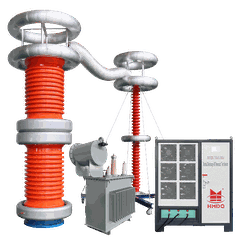



In the field of electrical testing, a Current Injection Temperature Tester plays a crucial role in ensuring the safety and performance of electrical equipment. As a reputable supplier of Current Injection Temperature Testers, I understand the importance of having the right certificates for these devices. In this blog post, I will discuss the key certificates that a high - quality Current Injection Temperature Tester should possess.
1. ISO 9001 Certification
ISO 9001 is an internationally recognized standard for quality management systems. A Current Injection Temperature Tester with ISO 9001 certification indicates that the manufacturer has implemented a comprehensive quality management system. This system ensures that every aspect of the product, from design and development to production and after - sales service, meets high - quality standards.
When a tester is ISO 9001 certified, it means that the manufacturer follows strict procedures for quality control. For example, during the production process, there are regular inspections and tests to ensure that each tester meets the specified performance criteria. This gives customers confidence that the product they are purchasing is reliable and of high quality. As a supplier, we take pride in offering ISO 9001 - certified Current Injection Temperature Testers, which have been proven to perform consistently in various electrical testing scenarios.
2. CE Certification
CE certification is a mandatory conformity mark for products sold within the European Economic Area (EEA). It indicates that the Current Injection Temperature Tester meets the essential health and safety requirements set by European Union directives.
For a Current Injection Temperature Tester, CE certification means that the device has been tested for electrical safety, electromagnetic compatibility (EMC), and other relevant aspects. Electrical safety is of utmost importance, as the tester is often used in high - voltage environments. The CE - certified tester ensures that there is no risk of electric shock or other electrical hazards to the user.
EMC is also crucial because the tester should not cause interference to other electrical equipment in the vicinity. A CE - certified Current Injection Temperature Tester has been designed and tested to minimize electromagnetic emissions and to be immune to external electromagnetic interference. This allows for accurate and reliable testing results in real - world electrical systems.
3. UL Certification
UL (Underwriters Laboratories) certification is well - known in North America. A Current Injection Temperature Tester with UL certification has been tested and meets the safety standards established by UL.
UL certification focuses on various safety aspects, such as fire resistance, electrical insulation, and mechanical safety. In the case of a Current Injection Temperature Tester, it ensures that the device can withstand the electrical currents and temperatures involved in the testing process without posing a safety risk.
For example, the tester's enclosure should be made of fire - resistant materials to prevent the spread of fire in case of a malfunction. The electrical insulation should be sufficient to prevent electrical leakage, which could lead to short - circuits or other electrical problems. UL - certified testers are widely accepted in the North American market, and having this certification can significantly enhance the marketability of our Current Injection Temperature Testers.
4. IEC Standards Compliance
The International Electrotechnical Commission (IEC) develops and publishes international standards for electrical and electronic technologies. A high - quality Current Injection Temperature Tester should comply with relevant IEC standards.
For instance, IEC 61010 is a standard that covers safety requirements for electrical equipment for measurement, control, and laboratory use. A Current Injection Temperature Tester that complies with IEC 61010 ensures that it meets the necessary safety requirements for its intended use.
Another important standard is IEC 60068, which deals with environmental testing of electrical equipment. This standard ensures that the tester can operate reliably under different environmental conditions, such as temperature, humidity, and vibration. Compliance with IEC standards demonstrates that the Current Injection Temperature Tester is designed and manufactured to international best practices.
5. Calibration Certificates
Calibration is essential for ensuring the accuracy of a Current Injection Temperature Tester. A high - quality tester should come with calibration certificates from an accredited calibration laboratory.
Calibration certificates provide evidence that the tester has been calibrated against traceable standards. This means that the measurement results obtained from the tester are accurate and reliable. Regular calibration also helps to maintain the performance of the tester over time.
As a supplier, we ensure that our Current Injection Temperature Testers are calibrated at regular intervals and provide customers with up - to - date calibration certificates. This gives our customers peace of mind, knowing that they can trust the measurement results obtained from our testers.
Product - Specific Certificates and Their Significance
In addition to the general certificates mentioned above, there are also product - specific certificates for different types of Current Injection Temperature Testers.
For example, our Primary Current Temperature Rise Test Set may have additional certificates related to its specific function of testing temperature rise under primary current injection. This type of tester is often used in power distribution systems to test the performance of electrical components under normal and overload conditions. The certificates for this product ensure that it can accurately measure temperature rise and provide reliable results for evaluating the thermal performance of electrical equipment.
Our DC Primary Current Injection Test Set may have certificates related to direct - current injection testing. DC testing is important in applications such as battery systems and certain types of electrical motors. The certificates for this product ensure that it can accurately inject direct current and measure relevant electrical parameters, providing valuable information for the maintenance and testing of DC - based electrical systems.
The 1400A Primary Current Injection Test Device is designed for high - current injection testing. Certificates for this device ensure that it can handle high - current loads safely and accurately. This is crucial in industries such as power generation and large - scale electrical installations, where high - current testing is required to ensure the proper functioning of electrical equipment.


Conclusion
In conclusion, a high - quality Current Injection Temperature Tester should have a range of certificates to ensure its safety, reliability, and accuracy. Certificates such as ISO 9001, CE, UL, and compliance with IEC standards provide assurance that the tester meets international quality and safety requirements. Calibration certificates are also essential for maintaining the accuracy of the tester.
As a supplier of Current Injection Temperature Testers, we are committed to providing our customers with products that have the necessary certificates. Our products are designed and manufactured to the highest standards, and we continuously strive to improve the quality and performance of our testers.
If you are in the market for a Current Injection Temperature Tester, we encourage you to contact us for a detailed discussion about our products. We can provide you with more information about the certificates and features of our testers, and help you choose the right product for your specific needs. Let's work together to ensure the safety and performance of your electrical systems.
References
- International Organization for Standardization (ISO). ISO 9001:2015 Quality management systems — Requirements.
- European Union. CE marking directives related to electrical equipment.
- Underwriters Laboratories (UL). UL standards for electrical equipment safety.
- International Electrotechnical Commission (IEC). IEC 61010 and IEC 60068 standards.


