

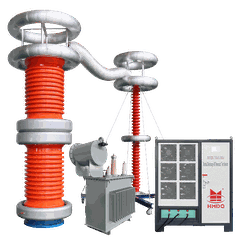



Hey there! As a supplier of DC Test Transformers, I often get asked about the lifespan of these nifty pieces of equipment. So, I thought I'd take a deep dive into this topic and share some insights with you all.
First off, let's understand what a DC Test Transformer is. It's a type of transformer used mainly for high - voltage testing. These transformers are crucial in industries where electrical safety and performance need to be thoroughly checked. Whether it's for power generation, transmission, or electrical equipment manufacturing, DC Test Transformers play a vital role.
Now, the big question: What's the lifespan of a DC Test Transformer? Well, it's not a one - size - fits - all answer. There are several factors that can influence how long these transformers last.
1. Quality of Manufacturing
The way a DC Test Transformer is made has a huge impact on its lifespan. High - quality materials and precision manufacturing processes are key. When a transformer is built with top - notch insulation materials, it can withstand the high voltages and stresses it's subjected to during testing. For example, using high - grade electrical steel for the core and high - quality insulation paper can significantly extend the transformer's life. At our company, we take great pride in using the best materials and state - of - the - art manufacturing techniques to ensure our transformers have a long lifespan.
2. Operating Conditions
The environment in which the DCTest Transformer operates is another major factor. If it's placed in a clean, dry, and well - ventilated area, it's likely to last longer. Extreme temperatures, high humidity, and dusty environments can all take a toll on the transformer. For instance, if the transformer is used in a factory where there's a lot of dust and debris, the dust can accumulate on the windings and insulation, leading to overheating and premature failure. On the other hand, if it's in a climate - controlled environment, it can operate more efficiently and have a longer lifespan.
3. Maintenance
Regular maintenance is crucial for the longevity of a DC Test Transformer. This includes things like checking the oil level (if it's an oil - filled transformer), inspecting the insulation, and tightening any loose connections. By performing routine maintenance, you can catch potential problems early and prevent them from turning into major issues. For example, if the oil in an oil - filled transformer starts to degrade, it can affect the insulation properties. By regularly testing the oil and replacing it when necessary, you can keep the transformer in good working condition.
4. Load and Usage
How often and how hard the transformer is used also affects its lifespan. If it's constantly running at full capacity or being overloaded, it will wear out faster. It's important to operate the transformer within its rated capacity. For example, if a DCTest Transformer is rated for a certain voltage and current, exceeding those limits can cause excessive heating and damage to the windings.
On average, a well - maintained DCTest Transformer can last anywhere from 20 to 30 years. However, this is just an estimate. Some transformers may last longer if they're in ideal conditions and receive proper care, while others may have a shorter lifespan due to harsh operating conditions or lack of maintenance.


Now, let's talk about some related equipment that can work hand - in - hand with DCTest Transformers. If you're in the market for high - voltage testing equipment, you might be interested in DC Hipot Tester. These testers are used to perform high - voltage DC tests on electrical equipment to check for insulation integrity.
Another great option is the Gas Type AC DC Hipot Tester. This type of tester is known for its reliability and is suitable for a wide range of applications.
And if you're looking for a comprehensive testing solution, the DC Hipot Test Set is a great choice. It combines the functionality of a DC hipot tester with other features to provide a complete testing package.
If you're in the market for DCTest Transformers or any of the related high - voltage testing equipment, we'd love to have a chat with you. We have a team of experts who can help you find the right equipment for your specific needs. Whether you're a small electrical workshop or a large power utility company, we have solutions that can fit your requirements.
So, don't hesitate to reach out to us for more information or to start a procurement discussion. We're here to help you get the best high - voltage testing equipment at a great price.
References
- Electrical Power Systems by J. C. Das
- High - Voltage Engineering by E. Kuffel, W. S. Zaengl, and J. Kuffel


