

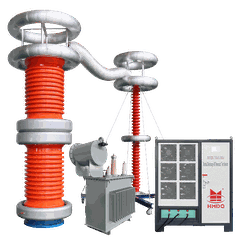



As a supplier of high voltage Test Equipment, I've witnessed firsthand the crucial role these devices play in ensuring the safety and reliability of electrical components. One key aspect that often goes unnoticed but is of utmost importance is the environmental adaptability of high voltage test equipment. In this blog, we'll explore what environmental adaptability means for such equipment and why it matters.
Defining Environmental Adaptability
Environmental adaptability refers to the ability of high voltage test equipment to function effectively and accurately under different environmental conditions. These conditions can include temperature, humidity, altitude, and even exposure to dust and chemicals. A high voltage test is used to determine the maximum voltage a material or component can withstand before it breaks down electrically. If the test equipment is not adaptable to the environment in which it operates, the results may be inaccurate, leading to potential safety risks and product failures.
Temperature
Temperature is one of the most significant environmental factors that can affect the performance of high voltage test equipment. Extreme temperatures can cause the materials within the equipment to expand or contract, which may lead to mechanical stress and electrical malfunctions. For example, high temperatures can cause the insulation materials to degrade, reducing their dielectric strength and increasing the risk of electrical breakdown. On the other hand, low temperatures can make the materials brittle, potentially leading to cracks and other structural failures.
Our high voltage test equipment is designed to operate within a wide temperature range. For instance, our Gas Type AC Hipot Tester is engineered to function reliably in temperatures ranging from -20°C to 50°C. This wide temperature tolerance ensures that the equipment can be used in various industrial settings, from cold storage facilities to hot manufacturing plants.
Humidity
Humidity can also have a significant impact on the performance of high voltage test equipment. High humidity levels can cause moisture to accumulate on the surfaces of the equipment, leading to corrosion and electrical leakage. This can not only affect the accuracy of the test results but also damage the equipment over time.
To combat the effects of humidity, our equipment is designed with moisture-resistant materials and protective coatings. The Oil-immersed Light AC/DC High Voltage Testing Transformer is a prime example. The oil immersion provides an additional layer of protection against moisture, ensuring that the transformer can operate effectively even in high-humidity environments.


Altitude
Altitude is another environmental factor that can affect the performance of high voltage test equipment. As altitude increases, the air pressure decreases, which can lead to a decrease in the dielectric strength of the air. This means that the equipment may experience more frequent electrical breakdowns at higher altitudes.
Our high voltage test equipment is designed to compensate for the effects of altitude. Through careful engineering and calibration, we ensure that the equipment can provide accurate test results regardless of the altitude at which it is used.
Dust and Chemical Exposure
In industrial settings, high voltage test equipment may be exposed to dust, dirt, and chemicals. These contaminants can accumulate on the surfaces of the equipment, affecting its performance and potentially causing damage.
To protect our equipment from dust and chemical exposure, we use high-quality enclosures and filters. Our DC Hipot Tester is equipped with a robust enclosure that prevents dust and chemicals from entering the internal components. Additionally, the filters are designed to trap any particles that may try to enter the equipment, ensuring its long-term reliability.
Why Environmental Adaptability Matters
The environmental adaptability of high voltage test equipment is crucial for several reasons. Firstly, it ensures the accuracy of the test results. If the equipment is not adaptable to the environment, the results may be skewed, leading to incorrect assessments of the electrical components. This can have serious consequences, especially in industries where safety is of the utmost importance, such as aerospace and power generation.
Secondly, environmental adaptability increases the lifespan of the equipment. By withstanding the harsh environmental conditions, the equipment is less likely to experience premature failures and breakdowns. This reduces the need for frequent repairs and replacements, saving both time and money for the users.
Finally, environmental adaptability allows the equipment to be used in a wider range of applications. Whether it's in a laboratory, a manufacturing plant, or an outdoor field, our high voltage test equipment can perform reliably, providing accurate and consistent results.
Conclusion
In conclusion, the environmental adaptability of high voltage test equipment is a critical factor that should not be overlooked. As a supplier, we understand the importance of ensuring that our equipment can operate effectively under various environmental conditions. Our Gas Type AC Hipot Tester, Oil-immersed Light AC/DC High Voltage Testing Transformer, and DC Hipot Tester are all designed with environmental adaptability in mind, providing our customers with reliable and accurate test results.
If you're in the market for high voltage test equipment, we invite you to contact us to discuss your specific requirements. Our team of experts is ready to assist you in selecting the right equipment for your needs and ensuring that it performs optimally in your environment.
References
- Electrical Equipment Handbook: Design and Application.
- Standards for High-Voltage Testing.


