

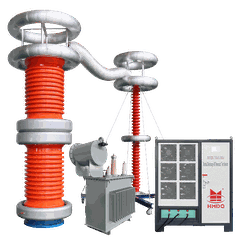


Hey there! As a supplier of Cascade Test Transformers, I've been getting a lot of questions lately about how to improve the power factor of these transformers. It's a crucial topic because a better power factor can lead to more efficient operation, lower energy costs, and reduced wear and tear on the equipment. So, I thought I'd share some tips and insights based on my experience in the industry.
First off, let's quickly understand what power factor is. Power factor is the ratio of real power (the power that actually does useful work) to apparent power (the total power supplied to the circuit). A power factor of 1 (or 100%) means that all the power supplied is being used effectively, while a lower power factor indicates that some of the power is being wasted. In the case of Cascade Test Transformers, a low power factor can result in increased losses, overheating, and reduced performance.

One of the most common ways to improve the power factor of a Cascade Test Transformer is by using power factor correction capacitors. These capacitors work by providing reactive power to the circuit, which helps to offset the inductive reactive power generated by the transformer. By doing so, they reduce the overall reactive power in the circuit and increase the power factor. When choosing power factor correction capacitors, it's important to select the right size and rating for your specific transformer. You can consult with a professional or use online calculators to determine the appropriate capacitor size based on your transformer's specifications.

Another important factor to consider is the load on the transformer. Overloading a Cascade Test Transformer can lead to a lower power factor. Make sure you're operating the transformer within its rated capacity. If you need to increase the load, consider upgrading to a larger transformer or redistributing the load among multiple transformers. Additionally, try to balance the load on the transformer as evenly as possible. An unbalanced load can cause the power factor to drop, so take the time to ensure that the electrical load is distributed evenly across all phases.
Proper maintenance of the Cascade Test Transformer is also essential for maintaining a good power factor. Regularly inspect the transformer for any signs of damage, such as loose connections, worn insulation, or overheating. Clean the transformer and its components to prevent the buildup of dirt and debris, which can affect its performance. Check the oil level and quality in oil - filled transformers, as dirty or low - level oil can cause increased losses and a lower power factor.
The quality of the electrical supply can also impact the power factor of the Cascade Test Transformer. A stable and clean power supply with low harmonic distortion is ideal. Harmonics are unwanted frequencies in the electrical system that can cause additional losses and reduce the power factor. You can use harmonic filters to reduce the harmonic content in the electrical supply. These filters can be installed at the input of the transformer or at the source of the harmonics in the electrical system.
Now, let's talk about some of the products we offer that can be related to improving the power factor and overall testing of the Cascade Test Transformer. We have an Impulse Winding Tester withstand Voltage Tester which can be used to test the insulation integrity of the transformer windings. By ensuring that the windings are in good condition, you can prevent electrical losses and maintain a better power factor.
Our AC Test Transformer - SF6 Gas Type is another great option. SF6 gas - insulated transformers are known for their high efficiency and reliability. They can operate with a relatively high power factor, and their design helps to reduce losses and improve overall performance.
And if you're looking to test the breakdown voltage of the transformer, our Breakdown Voltage Test Equipment is the way to go. By accurately measuring the breakdown voltage, you can ensure that the transformer is operating within safe limits and that its insulation is in good condition, which is crucial for maintaining a high power factor.
In conclusion, improving the power factor of a Cascade Test Transformer involves a combination of using power factor correction capacitors, managing the load, proper maintenance, and ensuring a clean power supply. By implementing these strategies, you can enhance the efficiency and performance of your transformer, save on energy costs, and extend the lifespan of the equipment.
If you're interested in learning more about our Cascade Test Transformers or any of our other high - voltage testing equipment, don't hesitate to reach out. We're here to help you find the right solutions for your specific needs and to assist you in improving the power factor of your transformers. Whether you're a small - scale user or a large industrial customer, we've got the expertise and products to meet your requirements.
References

- Electrical Power Systems Quality by Roger C. Dugan, Mark F. McGranaghan, Surya Santoso, and H. Wayne Beaty
- Transformer Engineering: Design, Technology, and Diagnostics by George G. Karady and James L. Kirtley Jr.


