

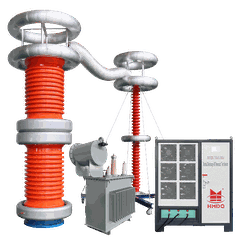


In the realm of high - voltage testing, the lightning impulse voltage generator stands out as a crucial piece of equipment. As a supplier of lightning impulse voltage generators, I have witnessed firsthand the numerous advantages it holds over other testing equipment. This blog post will delve into these benefits, highlighting why our lightning impulse voltage generators are the preferred choice for many in the industry.
1. Realistic Simulation of Lightning Strikes
One of the most significant advantages of a lightning impulse voltage generator is its ability to accurately simulate the extreme electrical conditions caused by lightning strikes. Lightning is a natural phenomenon that can generate extremely high - voltage and high - current impulses. These impulses can cause severe damage to electrical equipment, power systems, and structures.
Traditional testing equipment may not be capable of replicating the rapid rise time and high - amplitude characteristics of a real lightning strike. Our lightning impulse voltage generators, on the other hand, are designed to produce impulses that closely mimic the shape and magnitude of actual lightning. For example, the [200kA Impulse Current Generator](/high - voltage - testing - equipment/lightning - impulse - voltage - generator/200ka - impulse - current - generator.html) can generate high - current impulses similar to those experienced during a powerful lightning strike. This realistic simulation allows engineers and researchers to test the resilience of electrical components and systems under conditions that closely resemble real - world scenarios.

2. Versatility in Testing
Lightning impulse voltage generators offer a high degree of versatility in testing various types of equipment. They can be used to test a wide range of electrical and electronic components, including transformers, insulators, surge arresters, and cables. This is in contrast to some other testing equipment that may be designed for a specific type of test or a limited range of components.
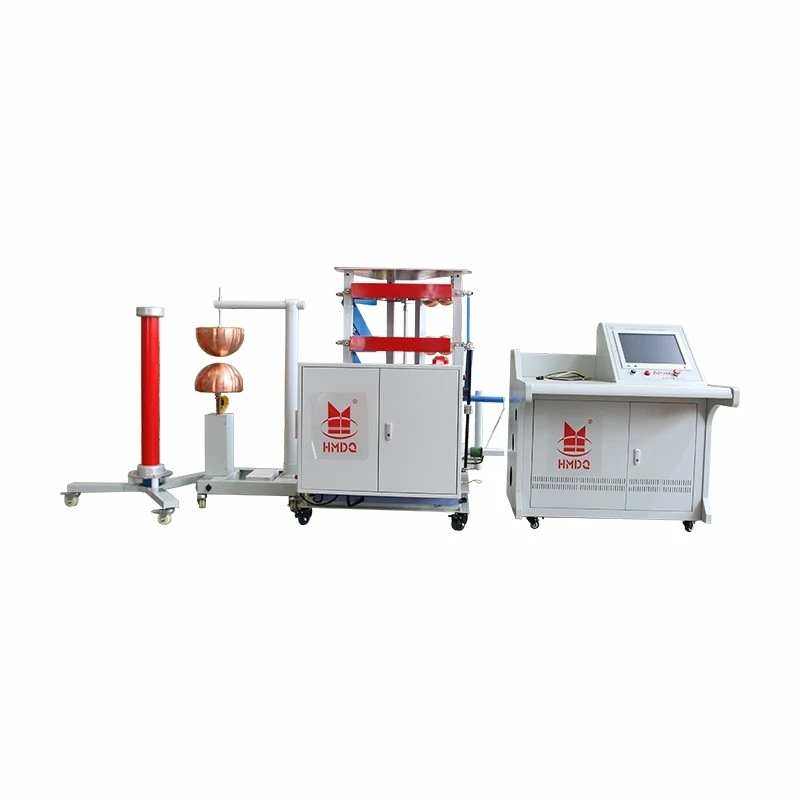
Our generators can be adjusted to produce different impulse waveforms, such as the standard 1.2/50 μs lightning impulse voltage waveform, which is widely used in international standards for high - voltage testing. This flexibility enables us to meet the diverse testing requirements of our customers. Whether it's a small - scale component or a large - scale power system, our [300kV/20kJ Lightning Impulse Voltage Generator](/high - voltage - testing - equipment/lightning - impulse - voltage - generator/300kv - 20kj - lightning - impulse - voltage.html) can be customized to perform the necessary tests.
3. High - Voltage and High - Current Capabilities
Lightning impulse voltage generators are capable of generating extremely high voltages and currents. This is essential for testing the insulation and withstand capabilities of electrical equipment. Many electrical components are designed to operate under normal voltage and current conditions, but they must also be able to withstand the transient overvoltages and overcurrents caused by lightning strikes.
Compared to other testing equipment, our lightning impulse voltage generators can reach much higher voltage and current levels. For instance, the [100kA Impulse Current Generator](/high - voltage - testing - equipment/lightning - impulse - voltage - generator/100ka - impulse - current - generator.html) can deliver high - current impulses that can effectively test the ability of surge arresters and other protective devices to handle large - scale electrical surges. These high - performance capabilities ensure that the tested equipment can meet the strict safety and reliability standards required in the industry.
4. Precise Control and Monitoring
Another advantage of our lightning impulse voltage generators is the precise control and monitoring they offer. During the testing process, it is crucial to have accurate control over the impulse parameters, such as the peak voltage, current, rise time, and decay time. Our generators are equipped with advanced control systems that allow operators to precisely set and adjust these parameters according to the specific testing requirements.
In addition, real - time monitoring of the impulse waveforms and other relevant parameters is possible. This enables operators to detect any abnormalities or deviations during the testing process immediately. By having access to detailed information about the test results, engineers can make informed decisions regarding the quality and performance of the tested equipment. This level of precision and control is often lacking in other types of testing equipment.
5. Compliance with International Standards
In the high - voltage testing industry, compliance with international standards is of utmost importance. Our lightning impulse voltage generators are designed and manufactured in strict accordance with international standards, such as IEC 60060 - 1 and IEEE 4. These standards ensure that the testing results obtained using our generators are reliable and comparable across different laboratories and industries.
By using our generators, customers can be confident that their testing procedures meet the highest quality and safety standards. This is particularly important for companies that export their products or operate in highly regulated industries. Our commitment to compliance not only ensures the accuracy of the test results but also enhances the reputation of our customers in the global market.

6. Cost - Effectiveness in the Long Run
Although the initial investment in a lightning impulse voltage generator may be relatively high compared to some other testing equipment, it offers significant cost - effectiveness in the long run. By accurately simulating lightning strikes and testing the equipment's ability to withstand these extreme conditions, our generators can help prevent costly equipment failures and downtime in the future.
For example, a power utility company that uses our generators to test its transformers and other electrical infrastructure can identify potential weaknesses and take preventive measures before a major failure occurs. This can save millions of dollars in repair costs, lost production, and customer compensation. In addition, the versatility of our generators means that customers do not need to purchase multiple types of testing equipment, further reducing the overall cost of testing.
7. Technical Support and After - Sales Service
As a supplier of lightning impulse voltage generators, we understand the importance of providing excellent technical support and after - sales service. Our team of experienced engineers and technicians is available to assist customers with installation, commissioning, and operation of the generators. We also offer regular maintenance services to ensure the long - term reliability and performance of the equipment.
In case of any technical issues or breakdowns, our quick - response service ensures that the problem is resolved as soon as possible. This level of support is crucial for customers who rely on the generators for their testing operations. Our commitment to customer satisfaction sets us apart from other suppliers and makes our lightning impulse voltage generators a more attractive choice in the market.
In conclusion, the lightning impulse voltage generator offers numerous advantages over other testing equipment. Its ability to realistically simulate lightning strikes, versatility in testing, high - voltage and high - current capabilities, precise control and monitoring, compliance with international standards, cost - effectiveness, and excellent technical support make it an indispensable tool in the high - voltage testing industry.
If you are interested in learning more about our lightning impulse voltage generators or would like to discuss your specific testing requirements, we invite you to contact us for a detailed consultation. Our team is ready to assist you in finding the best solution for your needs.
References
- IEC 60060 - 1: High - voltage test techniques - Part 1: General definitions and test requirements.
- IEEE 4: Standard Techniques for High - Voltage Testing.


