

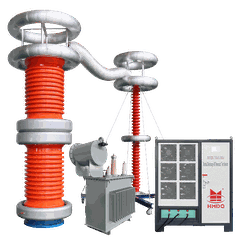



Hey there! As a supplier of lightning impulse voltage generators, I know firsthand how crucial it is to keep these machines in top - notch condition. These generators are used for a variety of high - voltage testing applications, and proper maintenance can not only extend their lifespan but also ensure accurate and reliable results. In this blog, I'll share some tips on how to maintain a lightning impulse voltage generator.
Regular Inspections
First off, regular inspections are a must. You should visually check the generator on a routine basis. Look for any signs of physical damage, such as cracks in the insulation, loose connections, or corrosion. Inspect the wiring for any fraying or exposed wires. This kind of visual inspection can help you catch potential problems early on.


For example, if you notice a crack in the insulation, it could lead to electrical leakage, which is not only dangerous but can also affect the performance of the generator. Loose connections can cause arcing, which might damage the internal components. So, make it a habit to walk around the generator and give it a good once - over every few weeks.
Cleaning
Keeping the generator clean is another important aspect of maintenance. Dust and debris can accumulate on the components over time, which can cause overheating and other issues. Use a soft brush or compressed air to clean the exterior and interior of the generator. Be careful not to damage any sensitive parts while cleaning.
The cooling fans, in particular, need to be kept clean. If they get clogged with dust, they won't be able to cool the generator effectively, leading to increased operating temperatures. This can reduce the lifespan of the components and even cause the generator to malfunction. So, make sure to clean the fans regularly.
Calibration
Calibration is key to ensuring the accuracy of the lightning impulse voltage generator. You should have the generator calibrated at regular intervals by a qualified technician. The calibration process involves comparing the output of the generator with a known standard to ensure that it is producing the correct voltage and waveform.
Incorrect calibration can lead to inaccurate test results, which can be a big problem, especially in industries where precision is crucial. For example, in the electrical power industry, inaccurate voltage testing can lead to faulty equipment being put into service, which can cause power outages or even safety hazards. So, don't skip the calibration step.
Component Replacement
Over time, some components of the lightning impulse voltage generator will wear out and need to be replaced. Common components that may need replacement include capacitors, resistors, and switches. It's important to use high - quality replacement parts to ensure the continued performance of the generator.
When replacing components, make sure to follow the manufacturer's instructions carefully. Incorrect installation of components can lead to further problems. If you're not comfortable replacing the components yourself, it's best to hire a professional technician.
Environmental Considerations
The environment in which the lightning impulse voltage generator operates can also have a significant impact on its performance and lifespan. The generator should be installed in a clean, dry, and well - ventilated area. High humidity can cause corrosion of the components, while extreme temperatures can affect the performance of the electrical components.
If the generator is located in an area with a lot of dust or other contaminants, you may need to install additional filtration systems to protect the generator. Also, make sure that the generator is not exposed to direct sunlight or other sources of heat, as this can cause overheating.
Documentation
Maintaining proper documentation is an often - overlooked aspect of generator maintenance. Keep a record of all inspections, cleanings, calibrations, and component replacements. This documentation can be useful for troubleshooting, warranty claims, and for demonstrating compliance with industry standards.
You can use a simple spreadsheet or a dedicated maintenance software to keep track of all the maintenance activities. Make sure to include the date, the type of maintenance performed, and any relevant notes. This way, you'll have a clear history of the generator's maintenance, which can help you identify any recurring issues.
Training
If you have multiple people using the lightning impulse voltage generator, it's important to provide them with proper training. They should know how to operate the generator safely and how to perform basic maintenance tasks. This can help prevent damage to the generator due to improper use.
Training should cover topics such as how to start and stop the generator, how to set the correct voltage and waveform, and how to perform basic troubleshooting. You can provide in - house training or send your employees to external training courses.
Monitoring
Continuous monitoring of the generator's performance can also help you detect any potential problems early. You can use monitoring devices to track parameters such as voltage, current, and temperature. If any of these parameters deviate from the normal range, it could indicate a problem with the generator.
Some generators come with built - in monitoring systems, while for others, you may need to install external monitoring devices. Make sure to set up alerts so that you're notified immediately if there are any issues.
Spare Parts Inventory
It's a good idea to keep a stock of essential spare parts on hand. This can reduce downtime in case a component fails. Common spare parts to keep include fuses, capacitors, and relays. Make sure to check the expiration dates of any spare parts and replace them as needed.
By having a spare parts inventory, you can quickly replace a faulty component and get the generator back up and running. This can save you a lot of time and money in the long run.
Testing
Regular testing of the generator is also important. You can perform simple tests to check the basic functionality of the generator. For example, you can test the output voltage and waveform to make sure they are within the specified range.
These tests can help you identify any problems before they become serious. If you notice any issues during the testing, make sure to address them immediately.
Conclusion
Maintaining a lightning impulse voltage generator is a combination of regular inspections, cleaning, calibration, component replacement, and proper environmental management. By following these tips, you can ensure that your generator operates reliably and accurately for many years to come.
If you're in the market for a new Lightning Impulse Generator, a Hipot Tester Impulse Voltage Generator, or need to perform a Lightning Impulse Voltage Test, don't hesitate to reach out. We're here to assist you with all your high - voltage testing equipment needs. Whether you have questions about maintenance, need a quote, or want to discuss your specific requirements, we're just a message away.
References
- Electrical Equipment Maintenance Handbook
- High - Voltage Testing Standards and Practices


