

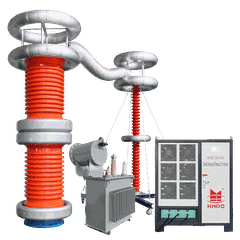


If you're running a power distribution network or maintaining industrial equipment, you know how critical test transformers are-especially the insulation cylinder oil-immersed kind. Their performance hinges almost entirely on the quality of the insulating oil and the integrity of the cylinder insulation, and one of the most key checks you'll need to do regularly is measure insulation resistance. But I see a lot of our customers messing this up (or skipping steps that make the result useless) because they're not quite sure how to do it right. As a supplier of these exact transformers, I've walked teams through this process hundreds of times, and today I'm breaking it down simply-no overcomplicated jargon, just what actually works.
First, let's get one thing straight: insulation resistance (IR) isn't just a random number you pull from a meter. For oil-immersed test transformers, it tells you if the oil is contaminated, if moisture has seeped in, or if the insulation cylinder is breaking down. Do this wrong, and you might miss a problem that leads to a transformer failure, which could shut down your whole operation (trust me, we've seen that happen with clients who skipped proper IR testing). The process has specific steps, tools you can't skip, and common mistakes that are easy to avoid.
Let's start with prep work. Before you even grab the megohmmeter (the tool you'll use to measure IR), you need to make sure the transformer is ready. First, shut it down and discharge it completely. That means connecting a ground rod to the high-voltage (HV) terminal and leaving it for at least 10 minutes-any leftover charge will skew your results, and it's just plain dangerous. Next, you have to drain a small sample of the insulating oil from the transformer and get it ready for testing. I always recommend taking the oil sample from the bottom drain valve, not the top, because that's where contaminants settle. If the oil is old or has been sitting around, you might want to let it warm up to 25°C (77°F) first-temperature affects viscosity, which affects IR, so standardizing temp is non-negotiable.
Here's where tool choice matters. You can't use a regular multimeter for this. You need a megohmmeter (or megger) that can supply a consistent DC voltage-usually 500V or 1000V for smaller test transformers, 2500V for larger ones. But beyond the megger, you might need to run a few other oil tests alongside IR because they give context to your reading. For example, if your IR is low, is it because the oil is wet? The Transformer Oil Trace Moisture Tester can confirm moisture levels quickly-moisture is the #1 culprit for bad IR in oil-immersed equipment. If the oil isn't wet, maybe it has too many contaminants that lower dielectric strength? The Insulating Oil Single-cup Breakdown Voltage Tester will tell you if the oil can handle voltage, which ties directly to insulation integrity. Don't sleep on these complementary tests; they turn a single IR number into a full picture of your transformer's health.
Now, the actual testing step-by-step. This is where people go wrong all the time. First, set up the test transformer on a flat, stable surface-no tilting, because oil has to be evenly distributed. Then, disconnect the transformer from any external circuits (we see people skip this and get weird readings all the time). Next, connect the megger leads correctly: one to the HV terminal, one to the low-voltage (LV) terminal, and the third to the transformer's tank (that's your ground). Wait for the leads to be securely connected-loose connections cause fluctuations.
Here's the big one: don't just take a single reading. IR testing requires two time-based readings: 1 minute and 10 minutes after applying the voltage. The ratio of these two numbers is called the absorption ratio (AR = IR10 / IR1) and it's way more reliable than just the raw 1-minute number. For good oil-immersed test transformers, AR should be at least 1.3-anything lower means there's moisture or contamination in the insulation. Some guys only take the 1-minute reading and call it done, which is like checking your car's oil level once and ignoring the dipstick.
Wait, what about the insulation cylinder itself? A lot of people forget that the cylinder is part of the system here. The cylinder is what separates the windings, so its condition directly impacts IR. If the cylinder is cracked or has oil seeping through it, that will lower your IR reading just as much as bad oil. After testing the full IR, I always recommend testing the cylinder separately too-disconnect the windings from the cylinder, clean it with fresh oil, and run the same megger test on the cylinder itself. If its IR is low, you know the problem is the cylinder, not the oil. That's a key distinction that many technicians miss, leading them to waste money on oil changes when they actually need a new cylinder.
Now, common mistakes I've seen over the years. First, testing when the oil is too cold or too hot. We once had a client who tested a transformer straight after it shut down from a full load-oil temp was 50°C, and their IR reading was half what it should have been. When they waited 24 hours for it to cool to 25°C, the reading was back to normal. Second, not handling the oil sample correctly. If the sample sits open for hours, it absorbs moisture from the air, which makes your oil test results wrong. Always cap samples immediately after taking them, and test within 24 hours. Third, using a megger with the wrong voltage. If you use a 500V megger on a transformer rated for 10kV, you won't see insulation flaws that high voltage would catch. Stick to the megger voltage the transformer manufacturer specifies.
Another thing to consider: if you're doing periodic testing (which you should do every 12 months for critical test transformers), track your readings over time. A single bad reading doesn't mean disaster, but if your IR drops 20% year over year, that's a red flag. It might be time to change the oil-when you do, make sure to filter it properly, and maybe run the Insulation Oil Dielectric Loss & Resistivity Tester to confirm the new oil is at the right purity level. This tester tells you how efficiently the oil insulates, which pairs perfectly with your IR reading to give you a complete health check.
Wait, let's talk about when to replace oil vs. replace the cylinder. If your IR reading is low, AR is under 1.3, and the Single-cup Breakdown Voltage Tester shows the oil's breakdown voltage is below 30kV, you probably just need to change and filter the oil. But if the oil tests good, but the cylinder's IR is low, that's a cylinder issue-maybe a small crack that's letting oil seep through, or damaged insulation from overheating. In that case, you'll need to replace or repair the cylinder, because the oil alone won't fix that problem. As someone who supplies these transformers, I always tell clients: don't ignore small IR readings. A 10% drop might not seem like much, but it's a sign that something is off, and catching it early will save you from a full transformer failure.
Let me give you a real example. Last year, a client called us panicking because their test transformer kept failing during routine voltage tests. Their in-house tech ran an IR test and got a 1-minute reading of 500 MΩ, which seemed fine, but forgot to do the 10-minute reading. When we walked through the process with them, we did both readings, got a 10-minute number of 550 MΩ-so AR was 1.1, way below the 1.3 threshold. We tested the oil, and the Transformer Oil Trace Moisture Tester found 120 ppm of moisture, which is too high. They changed the oil, let the transformer dry out, and six months later, their IR is back to normal. If they'd just trusted the single reading, they would have waited until the transformer failed, which would have cost them thousands in downtime and a new unit.
Now, what about tools you need to invest in? You don't have to buy every tester on the market, but the essentials are: a proper megohmmeter, a way to test oil moisture (that Trace Moisture Tester is super easy to use), and a breakdown voltage tester for oil. If you want to go a step further, the Transformer Oil Dielectric Loss Tester will give you even more detail on oil quality. And if you're testing for new oil after a change, the Kinematic Viscosity Analyzer can confirm the oil is at the right viscosity for your transformer model-thicker or thinner oil than recommended will throw off IR readings too.
One final tip: always follow your transformer manufacturer's guidelines first. Different models might have slightly different test requirements, so don't just rely on generic advice. As a supplier, we provide a full test manual with every one of our insulation cylinder oil-immersed test transformers, including exact IR test steps and threshold numbers. If you've lost yours, just reach out-we'll send a copy no problem.
At the end of the day, measuring insulation resistance isn't rocket science, but it does require attention to detail. Skipping steps, using the wrong tools, or not checking both the oil and the cylinder will lead to bad data, which can lead to costly failures. For teams that handle power testing, doing IR testing right is just part of keeping operations running smoothly.


If you're in the market for reliable insulation cylinder oil-immersed test transformers, or need help with your testing process, don't hesitate to connect with us. We've helped hundreds of teams get consistent, accurate IR readings and keep their transformers in top shape, and we're here to answer any questions you have about testing or equipment. Reach out today to chat about your needs.
References
- IEEE Std 62-2018, IEEE Guide for the Maintenance of Insulating Oil in Equipment.
- International Electrotechnical Commission (IEC) 60422, Mineral Insulating Oils in Electrical Equipment – Guide for Maintenance and Field Procedures.
- Cooper, W. D., & Adams, R. R. (2018). Electrical Equipment Maintenance and Testing. McGraw-Hill Education.
- Transformer Oil Testing Procedures: A Practical Guide for Field Technicians (2021). Electrical Testing Instruments Association (ETIA).


