

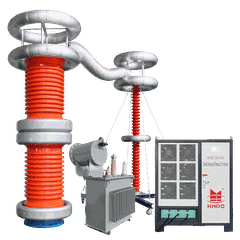


Hey everyone, if you’re working in power distribution, electrical manufacturing, or field service, you probably know how critical AC hipot testing is for ensuring gear can handle high-voltage stresses without failing. But when it comes to gas-type AC hipot testers—those units that use compressed SF6 or other insulating gases instead of oil for better portability and safety—one of the trickiest parts is nailing down the test time setting. I’m from a company that makes this exact equipment, so I’ve walked through this with dozens of clients who’ve messed up test times and either missed defects or wasted time on unnecessary testing. Let’s break this down like we’re chatting over a coffee, no super jargon overload.
First, let’s get the basics: gas-type AC hipot testers are different from regular oil-immersed ones because their insulation medium is gas, which means the test time rules aren’t just pulled out of thin air (pun totally intended). The main reason test time matters is that electrical insulation—whether it’s in transformers, switchgear, cables, or bushings—needs enough time to show up any hidden weaknesses. Too short, and you might not catch a micro-crack or a degraded insulation layer. Too long, and you’re overstressing the gear, which can actually shorten its lifespan, plus it’s a waste of resources on the job.


So, what’s the actual method here? It’s not a one-size-fits-all, but there are three core factors that guide the setting, and I’ll tie in how our gear (and other related testers) fit in because that’s what our clients always ask about.
-
Industry Standards That Lay the Groundwork
Most places use IEC 60060-1 or IEEE 43 as the go-to rules for AC hipot test times, right? For routine production testing (like when a manufacturer is cranking out new switchgear), the standard is usually 1 minute. Wait, but hold on—field testing (when you’re testing already installed gear) might be different. Some standards say field testing can use shorter times, like 30 seconds, but only if you’re following specific protocols, and you’ve calibrated your tester properly. That’s where tools like the Power Frequency withstand Voltage Control Box come in handy—they let you lock in that exact time so you don’t accidentally run over or under. I’ve seen guys skip reading the standard and just set 5 minutes because they “heard that’s safe,” but that’s not right. Exceeding recommended times can cause dielectric breakdown in insulation that’s actually still good, which leads to expensive rework. -
The Type of Equipment You’re Testing
This is the big one that a lot of new techs mix up. Let’s say you’re testing a power cable vs. a low-voltage control panel—test times aren’t the same. For large capacitance gear, like high-voltage transformers or long transmission cables, the insulation takes longer to polarize. If you set the test time too short here, the current reading might be artificially low, making you think the insulation is fine when it’s not. Our gas-type AC hipot testers have a built-in capacitor check, but you still have to adjust test time. For example, a 100kV cable might need 2 minutes, while a small bushing only needs 1 minute. If you’re using a combo tester, like the 5kvA 100kV AC DC Withstand Voltage Hipot Tester, you can toggle between AC and DC, but remember DC test times follow different rules (usually 5 minutes) — don’t confuse AC test time settings with DC ones, that’s a common mistake.
Also, gas-type specific note: since the gas is the insulation, make sure the pressure is at the rated level before you even start the timer. If the gas pressure is low, the test time needs to be adjusted to account for reduced insulation strength. For example, if SF6 pressure is 10% below rated, you might need to extend test time by 30 seconds to compensate, otherwise the test won’t be accurate. We include a quick pressure check step in our operator manuals, and if you need a quick digital readout, the 200kV AC DC Digital Voltage Hipot Meter has a pressure gauge sync feature that takes that guesswork out.
- Your Test Goal
Are you doing a routine safety check for a facility, or a type test for a new piece of equipment? Type tests (the ones where you’re proving a new design works) need way longer test times—like 15 minutes or more—because you’re looking for long-term insulation degradation, not just a quick failure. Routine maintenance tests (checking gear that’s been in use) usually stick to the standard 1 minute, but if the gear has a history of issues (like past partial discharges), you might want to bump it up to 2 minutes to confirm. Our clients often ask if they can use the same settings for different jobs, and the answer is no—if you’re testing a substation switchgear that’s 10 years old, vs. a new circuit breaker off the assembly line, test times should differ. I’ve had a client who used 1 minute for a 20-year-old transformer and missed a tiny insulation flaw that caused a shutdown a week later—lesson learned.
Wait, let’s clear up a common confusion: some people mix up AC hipot test time with leakage current limits. The time is tied to the leakage current reading. You don’t stop the test at the 1-minute mark even if leakage current is low—you run it for the full set time to make sure the current doesn’t spike later. For example, if you set 2 minutes, you watch the leakage current for the whole 2 minutes; if it stays below the threshold, it passes. That’s why the AC Withstand Voltage Tester units we build have a timer that automatically holds the test until the duration is met, no manual stopping.
Now, let’s talk about mistakes to avoid. First, don’t use DC test times for AC. The 300kV/5mA DC Hipot Tester is great for DC tests, but AC is different because it has peak voltage, so the test time standards are shorter. Second, don’t skip the pre-test checks—pressure, humidity (even gas type testers are sensitive to high humidity if the gas isn’t sealed right), and voltage calibration. If your tester isn’t calibrated, your test time setting doesn’t matter because the voltage you’re applying is wrong. Third, don’t overtest. We had a client who ran a 100kV cable test for 10 minutes instead of 2, and they ended up with a small breakdown that would’ve been fine if they stuck to the standard. It’s a waste of time and can damage equipment.
What about field vs. lab settings? Lab testing is controlled, so you can use exact test times based on the equipment’s specs. Field testing is more variable—you might have limited power, or the gear is already installed. For field, most standards allow 30 seconds, but only if you’ve done a frequency check and the power is stable. Our gas-type testers are lightweight, so they’re perfect for field work, and the timer is adjustable right from the front panel—no need for extra tools.
Let me wrap this up like I would with a client: the test time for a gas-type AC hipot tester isn’t arbitrary. It’s a combination of what industry rules say, what gear you’re testing, and why you’re testing it. Stick to the base standards, adjust for equipment type and gas pressure, and match the time to your test goal. If you’re not sure, double-check the standard or hit up your equipment supplier—we’re always here to walk through settings because we know getting this right saves you from headaches later.
If you’re looking for a reliable gas-type AC hipot tester that’s built to make test time settings easy, or need help picking the right equipment for your jobs, reach out to our team to discuss your specific needs. We can help you tailor settings and equipment to your routine tests, type tests, or field maintenance, so you get accurate results without the guesswork.
References
- International Electrotechnical Commission. (2010). IEC 60060-1: High-voltage test techniques – Part 1: General definitions and test requirements. Geneva, Switzerland: IEC.
- Institute of Electrical and Electronics Engineers. (2018). IEEE 43: IEEE Recommended Practice for Testing Insulation Resistance of Rotating Machinery. Piscataway, NJ: IEEE.
- Canadian Electrical Association. (2021). Field Testing Protocols for High-Voltage Gas-Insulated Switchgear. Montreal, QC: CEA.


