

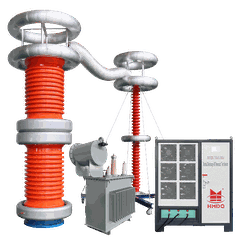



Hey there! As a supplier of Vehicle - Mounted AC Resonant Testers, I often get asked whether these testers are easy to install in a vehicle. Well, let's dig into this topic and find out.
First off, what exactly is a Vehicle - Mounted AC Resonant Tester? It's a specialized piece of equipment used for high - voltage testing, especially for things like HV Cable AC Resonant Tester. This type of tester takes advantage of the principle of resonance to generate high - voltage AC for testing electrical insulation systems. And the vehicle - mounted version brings the convenience of mobility, allowing you to take the testing equipment right to the site where it's needed.
Now, let's talk about the installation process. In general, a Vehicle - Mounted AC Resonant Tester is designed to be relatively easy to install, but it does require some careful planning and a bit of technical know - how.
Physical Installation
The first step in installing a Vehicle - Mounted AC Resonant Tester is to choose the right vehicle. The vehicle needs to have enough space to accommodate the tester and its associated components. The tester usually comes in several parts, including the power supply unit, the resonant reactor, and the control panel. You've got to make sure there's enough room to mount these components securely.
Most of these testers are built with a modular design. This means that the different parts can be easily connected together. You'll typically find pre - wired connectors, which makes the electrical connection process a whole lot easier. For example, the power supply unit can be quickly connected to the vehicle's power system, usually through a dedicated power cable. The resonant reactor, which is a key part of the testing system, can be mounted in a designated area in the vehicle. It's often designed to be bolted down to the vehicle's floor or a custom - made rack, ensuring it stays in place during transportation.
However, the physical installation isn't all sunshine and rainbows. You've got to deal with things like weight distribution. The tester can be quite heavy, especially if it's a larger model. Improper weight distribution can affect the vehicle's handling and safety. So, you need to calculate where to place the components to keep the vehicle balanced. Also, you have to consider the vehicle's ventilation requirements. The tester generates heat during operation, and proper ventilation is crucial to prevent overheating. You may need to install additional ventilation fans or make sure there are enough air vents in the area where the tester is installed.
Electrical and Control System Installation
Once the physical parts are in place, it's time to focus on the electrical and control system installation. The control panel of the Vehicle - Mounted AC Resonant Tester is the brain of the operation. It allows you to set the testing parameters, monitor the test results, and control the entire testing process.
Connecting the control panel to the other components is usually straightforward. There are usually clear labels on the connectors, indicating which cable goes where. You'll need to connect the control panel to the power supply unit and the resonant reactor. This ensures that the control panel can send and receive signals to and from these components, allowing for precise control of the testing process.
But there are some challenges here too. You need to make sure that all the electrical connections are properly insulated. High - voltage testing involves dealing with potentially dangerous voltages, and any exposed wires or loose connections can pose a serious safety risk. Also, you may need to calibrate the control system to ensure accurate testing results. This requires some technical knowledge and the use of specialized calibration equipment.


Software and Configuration
Many modern Vehicle - Mounted AC Resonant Testers come with software that allows for more advanced testing and data analysis. Installing and configuring this software can be a bit of a hassle. You'll need to have a compatible computer or tablet to run the software. The software usually needs to be installed on the device, and then you'll have to configure it to work with the tester.
This involves setting up things like the communication protocol between the software and the tester. You'll also need to enter the specific testing parameters for your application. For example, if you're testing HV cables, you'll need to set the appropriate voltage levels, test durations, and frequency ranges.
The good news is that most software developers try to make the installation and configuration process as user - friendly as possible. They provide step - by - step instructions and often have customer support available to help you out if you run into any problems.
Training and Support
Even though the installation process is designed to be relatively simple, it's still important to have proper training. As a supplier, we offer training programs for our customers. These programs cover everything from the basic operation of the AC Resonant Test Set to the installation and maintenance of the Vehicle - Mounted AC Resonant Tester.
We also provide technical support. If you encounter any issues during the installation or operation of the tester, our support team is just a phone call away. We can help you troubleshoot problems, provide replacement parts if needed, and offer advice on how to optimize the performance of the tester.
Conclusion
So, is a Vehicle - Mounted AC Resonant Tester easy to install in a vehicle? Well, it has its ups and downs. On one hand, the modular design, pre - wired connectors, and user - friendly software make the installation process relatively straightforward. On the other hand, you've got to deal with challenges like weight distribution, electrical safety, and software configuration.
If you're considering purchasing a Vehicle - Mounted AC Resonant Tester, don't let the installation process scare you off. With proper planning, a bit of technical knowledge, and the support from a reliable supplier, you can get the tester up and running in no time.
If you're interested in our Vehicle - Mounted AC Resonant Testers or have any questions about the installation process, feel free to reach out to us. We're here to help you make the right choice and ensure a smooth installation and operation of your testing equipment.
References
- Industry standards for high - voltage testing equipment
- Technical manuals provided by the Vehicle - Mounted AC Resonant Tester manufacturer
- Experience and knowledge gained from installing and servicing these testers over the years.


