

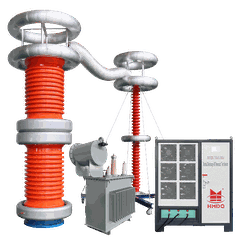


When it comes to electrical equipment testing, a lightning impulse voltage generator is an indispensable tool. As a leading supplier of lightning impulse voltage generators, I understand the significance of safety in the process of using such high - voltage equipment. In this blog, I will share some crucial safety precautions that should be taken when operating a lightning impulse voltage generator.
1. Pre - operation Safety Checks
Before starting the lightning impulse voltage generator, a series of pre - operation checks are essential. First and foremost, inspect the physical condition of the generator. Check for any visible signs of damage such as cracks in the insulation, loose connections, or broken components. Any damaged parts should be replaced immediately to prevent potential safety hazards.
Examine the grounding system of the generator. A proper grounding is crucial to ensure the safety of operators and the proper functioning of the equipment. The grounding wire should be firmly connected, and its resistance should be within the specified range. A poor grounding can lead to electrical shocks and damage to the equipment.
Verify the integrity of the control system. Check the control panel for any error messages or abnormal indicators. Make sure all the switches, buttons, and knobs are in good working condition. Test the emergency stop button to ensure it can effectively halt the operation of the generator in case of an emergency.
2. Operator Training and Qualification
Only trained and qualified personnel should be allowed to operate the lightning impulse voltage generator. Operators should have a thorough understanding of the equipment's working principles, operating procedures, and safety regulations. They should be familiar with the control panel layout and know how to set the appropriate parameters for different testing requirements.
Training programs should cover theoretical knowledge and practical skills. Theoretical training includes the study of electrical engineering principles related to high - voltage testing, while practical training involves hands - on operation of the generator under the supervision of experienced technicians. Regular refresher courses should be provided to keep operators updated with the latest safety standards and technological advancements.
3. Personal Protective Equipment (PPE)
Wearing appropriate personal protective equipment is a must for operators. Safety goggles should be worn to protect the eyes from potential sparks or debris. Insulated gloves are essential to prevent electrical shocks. These gloves should be regularly inspected for any signs of wear or damage and should be tested to ensure their insulation properties are still effective.
A safety helmet should be worn to protect the head from falling objects or accidental impacts. Flame - resistant clothing is also recommended, especially when working in close proximity to the generator during high - voltage testing. Additionally, operators should wear insulated shoes to further reduce the risk of electrical shocks.
4. Working Environment Safety
The working environment where the lightning impulse voltage generator is used should be carefully managed. The area should be well - ventilated to prevent the accumulation of harmful gases or fumes. Adequate lighting is necessary to ensure clear visibility of the equipment and the surrounding area.
Keep the working area clean and free of clutter. Remove any unnecessary objects that may pose a tripping hazard. Ensure that there is sufficient space around the generator for easy access and maintenance. A safety barrier should be set up around the testing area to prevent unauthorized access.
5. Testing Process Safety
During the testing process, strict safety procedures should be followed. Before starting the test, make sure all the test specimens are properly installed and connected. Double - check the wiring to avoid short - circuits or incorrect connections.
When setting the voltage and current parameters, follow the recommended values for the specific test specimen. Do not exceed the maximum rated capacity of the generator. Monitor the test process closely using the control panel and any additional monitoring devices. If any abnormal phenomena such as excessive noise, smoke, or sudden changes in parameters are detected, stop the test immediately and investigate the cause.
6. Maintenance and Inspection
Regular maintenance and inspection of the lightning impulse voltage generator are crucial for its safe and reliable operation. A maintenance schedule should be established, and all maintenance tasks should be carried out by qualified technicians.
During maintenance, clean the generator to remove dust and dirt that may affect its performance. Check the electrical components for any signs of wear or corrosion. Replace any worn - out parts in a timely manner. Inspect the insulation of the high - voltage components to ensure its integrity.
7. Specific Considerations for Different Models
As a supplier, we offer a variety of lightning impulse voltage generators, such as the 600kV/30kJ Lightning Impulse Voltage Generator and the 1800kV/180kJ Lightning Impulse Voltage Generator. Different models may have specific safety requirements due to their different voltage and energy ratings.
Higher - voltage generators generally require more stringent safety measures. For example, the grounding system for a 1800kV generator needs to be more robust compared to a 600kV generator. Operators should be aware of these differences and follow the specific safety guidelines provided for each model.
In addition to voltage generators, we also supply impulse current generators like the 100kA Impulse Current Generator. When using an impulse current generator, similar safety precautions should be taken, but with a focus on current - related safety aspects such as proper current - limiting devices and protection against high - current surges.
8. Emergency Response Plan
An emergency response plan should be in place to handle unexpected situations. This plan should include procedures for dealing with electrical fires, electrical shocks, and equipment failures. All operators should be familiar with the emergency response plan and know how to use the available emergency equipment such as fire extinguishers and first - aid kits.


Regular emergency drills should be conducted to ensure that operators can respond quickly and effectively in case of an emergency. The emergency response plan should also include procedures for notifying relevant authorities and providing assistance to injured personnel.
Conclusion
Safety is of utmost importance when using a lightning impulse voltage generator. By following the safety precautions mentioned above, operators can significantly reduce the risk of accidents and ensure the reliable operation of the equipment. As a supplier, we are committed to providing high - quality lightning impulse voltage generators and comprehensive safety guidance to our customers.
If you are interested in purchasing a lightning impulse voltage generator or need more information about our products, please feel free to contact us for further discussion and negotiation. We are here to meet your high - voltage testing needs with top - notch products and excellent service.
References
- Electrical Safety Standards for High - Voltage Testing Equipment, International Electrotechnical Commission (IEC).
- Handbook of High - Voltage Engineering, McGraw - Hill.
- Safety Guidelines for the Operation of Lightning Impulse Voltage Generators, National Institute of Standards and Technology (NIST).


