

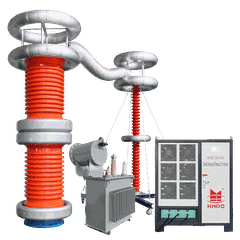


AC/DC Hipot Testing Set: Principles, Applications, and Safety Guidelines
High-voltage testing (Hipot testing) is an important step in the validation of electrical equipment to ensure insulation integrity and user safety. AC/DC high voltage test systems combine AC and DC testing in a single platform, providing flexible solutions for various industrial applications. This article provides an in-depth analysis of the key technical principles, contextual applications, and safety protocols underlying today's high voltage testing practices
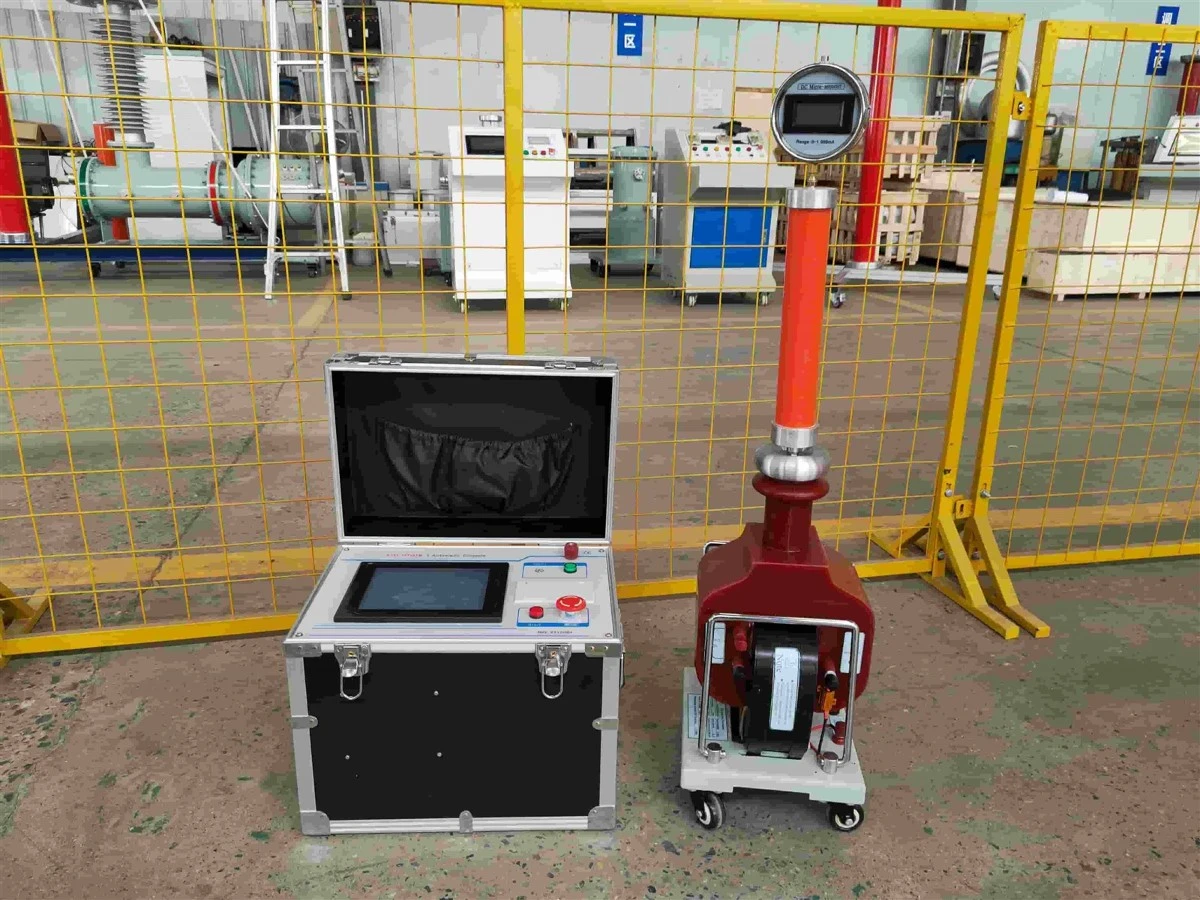
Key Functional Advantages of Combined AC/DC Testing
1. Dual Testing Modes for Comprehensive Verification
AC High-Voltage Testing: Applies high-voltage alternating current to simulate actual load conditions in power grids. Effectively detects insulation defects in transformers, switchgear, and household appliances.
DC High-Voltage Testing: Utilizes direct current to detect gradual insulation degradation, particularly in capacitive loads like long-distance cables. Low energy output minimizes risks to sensitive components.
2. Adaptive Testing Scenarios
AC Mode Priority: Ideal for routine factory testing of equipment operating in AC environments, such as motors and circuit breakers.
DC Mode Advantages: Preferred for field testing of power cables or aging infrastructure, where slow voltage rise prevents insulation damage.
3. Safety and Efficiency Enhancements
Advanced insulation testers integrate features like automatic discharge circuits and real-time leakage current monitoring. These innovations comply with international standards (e.g., IEC 61010) to protect operators and equipment in high-voltage applications.
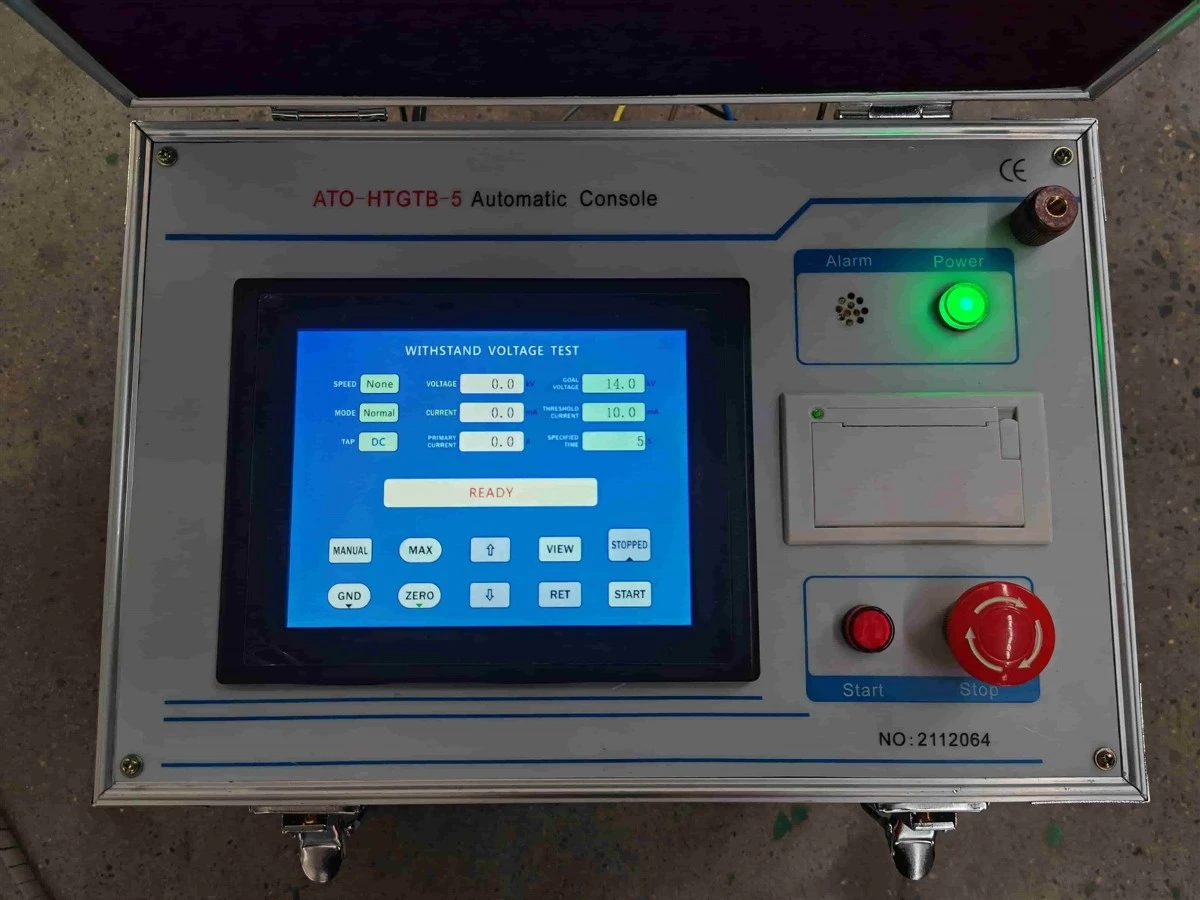
Cross-industry applications
From energy infrastructure to manufacturing, AC/DC high-voltage testers perform a variety of functions:
Electric utilities: Verifying insulation integrity in substations and transmission lines.
Industrial maintenance: Performing preventive inspections on mechanical equipment in harsh environments.
Quality assurance: Ensuring that exported electrical products comply with safety regulations.
Conclusion: Embracing technological innovation
The integration of AC and DC testing capabilities represents a significant advance in electrical safety technology. Professionals can select the appropriate test mode for each specific scenario, enabling them to obtain accurate diagnostics while strictly adhering to safety standards. As global industries continue to evolve, the application of intelligent high-voltage testing solutions will gradually strengthen the global electrical safety framework.


