

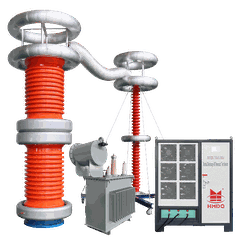




Electrical systems are complex, and sometimes unwanted currents find paths they shouldn't. This phenomenon, known as a ground loop, is a common culprit behind frustrating issues like audible humming in audio systems, visible interference on video feeds, erratic equipment behavior, or even potential safety hazards. Effectively tackling these problems starts with precise diagnosis – and that's where a Ground Loop Tester becomes an essential tool for professionals.
What Exactly is a Ground Loop and Why Does it Cause Trouble?
In essence, a ground loop occurs when there are multiple paths to ground with differing electrical potentials. This creates a closed loop allowing small currents – often called "stray" or "common-mode noise" currents – to flow where they aren't intended. Instead of going straight to earth ground, these currents travel through cables, equipment chassis, or signal lines.
The result? Interference. For instance:
Audio systems may produce a constant low-frequency hum.
Video monitors can show rolling bars or waves.
Sensitive digital equipment might experience data errors or lockups.
Measurement systems can return inaccurate readings.
Relying solely on trial and error to fix these issues is time-consuming and inefficient. Pinpointing the exact location and cause requires proper instrumentation – enter the Ground Loop Tester.
How Does a Ground Loop Tester Work?
Designed specifically for this task, a Ground Loop Tester typically measures the voltage potential difference between two grounding points or the voltage between a signal path and ground at various points in the system.
Voltage Measurement: The tester checks for the presence of AC or DC voltage between supposedly "common" grounds at different equipment locations or connection points.
Loop Detection: By verifying potential differences, it highlights where the unwanted current paths exist.
Simplicity: Many professional testers provide clear visual or audible indicators (like LEDs or tone generators) and direct voltage readings, making interpretation straightforward. Think of an engineer quickly tracing an elusive 60Hz hum back to a specific power outlet phase imbalance using the tester.
Key Benefits of Using a Professional Ground Loop Tester
Accurate Diagnosis: Moves beyond guesswork, revealing the precise locations where potential differences cause loop currents.
Time & Cost Savings: Drastically reduces troubleshooting time compared to haphazardly swapping cables or lifting grounds.
System Protection: Helps prevent potential damage to sensitive electronics caused by sustained loop currents.
Performance Optimization: Ensures clean power and signal transmission, vital for critical audio, video, and data systems.
Safety Confirmation: Assists in identifying potentially unsafe grounding conditions that could lead to shock hazards.
Common Scenarios Where a Ground Loop Tester is Crucial
AV/Production Studios: Eliminating audible hum in mixing consoles, microphones, and speakers during recording or live events.
Broadcast & CCTV: Removing interference causing rolling bars or noise on video monitors and cameras.
Industrial Controls: Ensuring PLCs and sensors aren't affected by electrical noise causing malfunction.
Medical & Laboratory Equipment: Guaranteeing accurate readings by removing potential measurement contamination from ground loops.
Telecom & Data Centers: Troubleshooting network equipment or server instability potentially linked to grounding issues.
Simple Solutions After Detection
Once a ground loop is identified using the tester, professionals can apply appropriate solutions safely:
Strategic Ground Lifting: Using an isolation transformer or specifically designed ground lift adapter on the problematic signal line.
Common Point Grounding: Creating a central ground point for all equipment.
Dedicated Ground Paths: Ensuring signal cables don't inadvertently form part of the ground path.
Balanced Lines: Using balanced audio cables (XLR) or balanced signal transmission methods where possible.
Conclusion: An Essential Tool for Professional Troubleshooting
Unexplained hums, buzzing, video interference, or equipment glitches often stem from elusive ground loops. Attempting to solve these issues without a Ground Loop Tester is like navigating in the dark. This specialized diagnostic tool provides the insight needed to quickly identify the source of the problem, saving valuable time and money, protecting equipment, and ultimately ensuring your electrical and signal systems operate cleanly and reliably. Investing in proper troubleshooting starts with precise detection – make a ground loop tester a standard part of your toolkit.


