

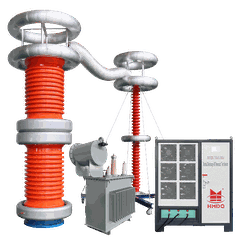




In the realm of high voltage testing, impulse generators play a pivotal role in ensuring the safety and durability of electrical systems. These specialized devices generate controlled voltage surges to simulate real-world events, such as lightning strikes or switching transients, testing how components like insulators and transformers withstand stress. By detecting potential failures before they occur, impulse generators help prevent costly downtime and hazards. This article delves into the fundamentals, applications, and advantages of using impulse generators for high voltage testing, offering insights into why they're indispensable for modern infrastructure.
Why Impulse Generators Are Essential
High voltage testing demands precision, and impulse generators excel by delivering repeatable, high-energy pulses that mimic unpredictable electrical events. They are designed to evaluate the dielectric strength of materials-ensuring insulation doesn't break down under surge conditions. Key benefits include:
Enhanced Safety: By identifying weaknesses in components, they reduce the risk of catastrophic failures in critical systems like power grids.
Cost Efficiency: Early fault detection minimizes maintenance costs and extends equipment lifespan by avoiding unexpected outages.
Versatility: Suitable for a range of applications, from utility-grade power networks to renewable energy installations, adapting to diverse testing environments without requiring specific settings.
Core Applications in Real-World Scenarios
Impulse generators shine in various industries where high voltage testing is critical. For example:
In power transmission systems, they verify the integrity of transformers and circuit breakers. As one case illustrates, utilities use them to simulate lightning-induced surges, ensuring networks remain resilient during storms without divulging exact operational parameters.
Renewable energy sectors, like wind or solar farms, rely on these tools to test inverters and cables for surge resistance. Consider scenarios where manufacturers assess new designs under controlled impulses, proving reliability under extreme conditions without referencing proprietary data.
Industrial settings employ impulse generators for product development, such as evaluating protective devices like surge arresters. A common practice involves applying standardized test sequences to confirm performance before deployment, promoting industry-wide safety standards.
Best Practices for Implementation
To maximize the effectiveness of impulse generators in high voltage testing, follow these guidelines:
Setup: Ensure proper calibration and grounding to maintain accuracy during test sequences.
Safety Protocols: Always adhere to standardized procedures to protect personnel and equipment.
Regular Calibration: Keep devices maintained to ensure consistent results over time.
Education and Training: Invest in operator training to understand waveform characteristics and interpretation for reliable outcomes.
Conclusion
Impulse generators for high voltage testing are vital tools that safeguard critical infrastructure by enabling thorough, non-destructive evaluations. From power plants to emerging tech sectors, they empower organizations to build more reliable, fail-safe systems. By focusing on core principles and real-world applications, this approach ensures longevity and compliance with global standards. To learn more about optimizing your testing strategies, explore authoritative resources or consult with industry experts.


