

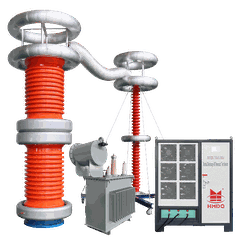



How Automatic Console Technology Enhances Safety in Power Frequency Hipot Testing
Introduction
Industrial voltage withstand testing remains the essential method for verifying the dielectric strength of electrical equipment. However, conventional manual testing carries risks of operational errors and produces unstable results. The integration of automated console technology effectively addresses these challenges through a combination of precision control and intelligent safety mechanisms. This article explores how automated systems are redefining safety protocols in high-voltage testing environments.

Key Advantages of the Automated Test Console System
Error-Free Test Process
The automated console executes test workflows based on pre-programmed parameters, such as voltage ramp-up, dwell time, and stop operations. This eliminates deviations caused by manual synchronization errors or judgment mistakes.
Real-Time Risk Mitigation
Built-in DSP chips continuously monitor leakage current and dielectric response. If values exceed safety thresholds, the system immediately triggers shutdown before insulation breakdown occurs. This proactive approach proves particularly valuable in regions with unstable grid conditions, extreme climates, or unpredictable equipment stress factors.
Compliance with International Standards
The system automatically generates test reports featuring timestamps, voltage/current waveforms, and pass/fail annotations. These documents adhere to IEC 60255 and IEEE 4 standards, facilitating international project audits.
Applications in Diverse Environments
- Manufacturing Facilities: Automated testing accelerates production line checks while reducing reliance on specialized technicians.
- Field Maintenance: Portable versions with automatic consoles enable safe on-site testing of transformers or cables in remote areas, such as infrastructure projects in Latin America or Southeast Asia.
Conclusion
The adoption of power frequency withstand voltage testers equipped with automated control consoles signifies a shift towards data-driven safety management. By minimising manual intervention and embedding intelligent protective mechanisms, this technology not only enhances testing precision but also bolsters overall operational safety within the power industry. As high-voltage testing technology continues to evolve, automation will persist in playing a pivotal role in underpinning the development of sustainable energy infrastructure worldwide.


