

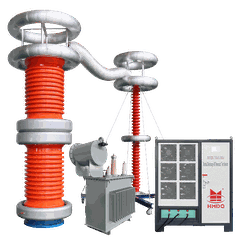


SF6 Gas Density Relay Calibration Standards Take Effect: Strengthening the Safety of Power Equipment Operations
In power systems, SF6 gas density relays serve as critical monitoring components for core power equipment such as high-voltage switches and main transformers. Their detection accuracy directly impacts the stability of power grid operations and the effectiveness of equipment fault protection. As power grid safety operation and maintenance standards continue to evolve, the full implementation of the new DL/T 259-2023 calibration specification has made standardized and regulated calibration of SF6 gas density relays a core routine maintenance task for power companies in identifying equipment hazards and mitigating operational risks.
Unlike ordinary pressure gauges, SF₆ gas density relays are equipped with temperature compensation mechanisms that convert real-time gas pressure to values corresponding to standard operating conditions at 20°C, effectively mitigating monitoring errors caused by fluctuations in ambient temperature. However, during long-term outdoor operation, these relays may experience issues such as sensor aging, mechanical fatigue, and seal wear, which can easily lead to shifts in alarm and trip thresholds and result in inaccurate monitoring. Conducting regular professional calibration allows for precise correction of parameter deviations, eliminating equipment false trips and shutdown failures caused by abnormal density monitoring, and ensuring the safe and reliable operation of high-voltage electrical equipment.
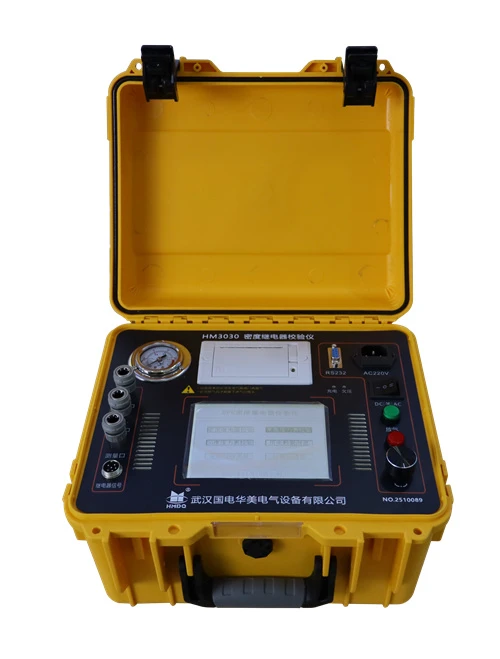
Currently, the power industry has established a mature and comprehensive SF₆ density relay calibration process based on national and industry standards. The overall procedure consists of four core stages: parameter presetting, temperature compensation testing, pressure cycle testing, and data verification. Prior to calibration, operations and maintenance personnel connect high-precision professional calibration equipment to the device's gas line via a dedicated interface. The non-disassembly calibration technology currently being vigorously promoted in the industry has completely transformed the traditional disassembly-based calibration model, significantly reducing the risk of SF6 gas leaks caused by repeated disassembly and reassembly, while balancing operational efficiency with environmental protection.
During the core calibration phase, industry standards explicitly require the conduct of tiered, precise temperature tests covering key operating conditions such as -25°C (low temperature) and 20°C (standard ambient temperature). Each temperature point must be maintained at a constant temperature for at least 2 hours, and three complete cycle tests must be completed. During the pressure testing phase, the pressure adjustment rate must be strictly controlled at no more than 0.01 MPa per minute to accurately simulate changes in gas density during actual equipment operation. The system automatically collects the relay alarm thresholds, interlock thresholds, and reset return values, uniformly converting them to standard equivalent pressure at 20°C to calculate data errors and ensure precise and compliant calibration results.
In recent years, intelligent calibration technology has become widely adopted in the power operation and maintenance sector. The new generation of SF6 calibration equipment integrates high-precision temperature and pressure sensor modules, enabling automatic data collection, intelligent error analysis, and one-click generation of calibration reports. Compared to traditional manual testing methods, this significantly improves calibration accuracy and operational efficiency, completely eliminating errors caused by manual operations and reading records, and achieving an intelligent and standardized upgrade of calibration operations.
Industry O&M experts note that the calibration of SF6 gas density relays is a core component of condition-based maintenance for power equipment and a critical safeguard for the safe operation of the power grid. All power O&M units must establish routine calibration mechanisms, formulate periodic calibration plans, strictly implement standardized operating procedures, and rely on professional equipment and standardized processes to eliminate potential hazards in equipment monitoring. In the future, as smart operation and maintenance technologies continue to evolve, high-precision, non-disassembly, and intelligent calibration methods will become the mainstream trend in power equipment operation and maintenance, ensuring the safe and stable operation of the new power system.


