



Quantitative SF6 Gas Leak Detector (Handheld Type): Applications and Measurement Guide | Goldhome
Sulfur hexafluoride (SF6) is widely used as an insulating and arc-quenching gas in gas-insulated switchgear (GIS), circuit breakers, and other high-voltage electrical equipment. Maintaining gas-tight enclosures is important for equipment reliability, maintenance planning, and reducing SF6 emissions.
A quantitative SF6 gas leak detector with a handheld design helps technicians locate suspected leakage points and assess leakage-related readings during inspection and maintenance. Understanding the difference between gas concentration and leakage rate is essential when selecting equipment for electrical substations and high-voltage laboratories.
1. What Is a Quantitative SF6 Gas Leak Detector?
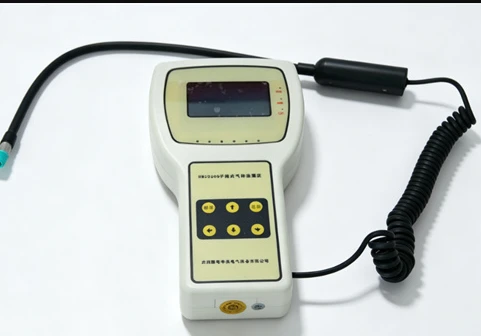
A quantitative SF6 gas leak detector is a portable instrument designed to detect SF6 leakage and provide numerical measurement results, depending on its sensing technology and configuration.
Compared with a simple leak alarm, a quantitative detector can provide readings that help technicians identify leakage locations, compare inspection results, and document maintenance findings.
Typical applications include:
Gas-insulated switchgear (GIS) inspection
SF6 circuit breaker maintenance
Gas compartment, valve, flange, and seal inspection
Leak checks following installation or maintenance
Verification of suspected leakage points during routine inspections
The available measurement functions vary by model. Before purchasing, confirm whether the instrument measures gas concentration, leak rate, or both.
2. How Does a Handheld SF6 Gas Leak Detector Work?
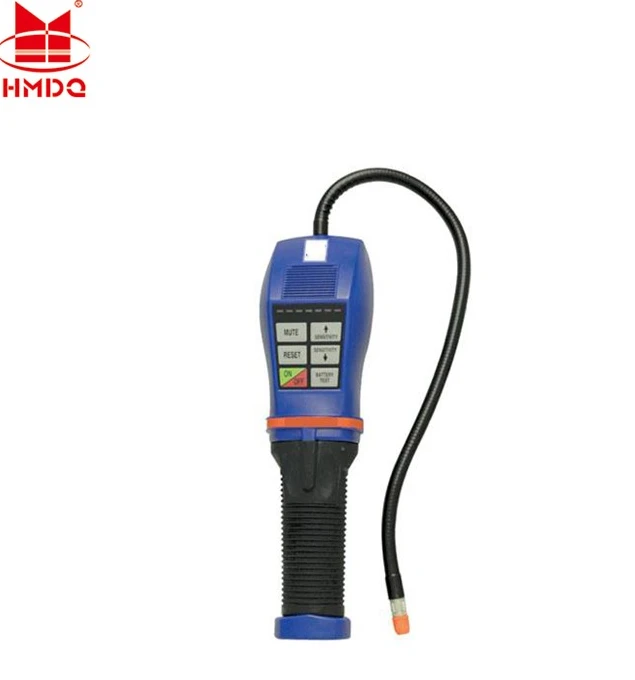
Handheld SF6 leak detectors use different sensing technologies. One option is non-dispersive infrared (NDIR) technology, which detects gas through its infrared absorption characteristics. Other instruments use different sensor principles.
A typical inspection process involves the following steps:
Prepare the instrument: Check the battery, sensor status, probe, and calibration requirements.
Set up the measurement: Follow the manufacturer's instructions for the correct measurement mode and operating conditions.
Inspect potential leakage points: Move the probe around accessible joints, valves, flanges, seals, and gas connections.
Observe the readings: Watch for changes in the displayed concentration or leakage-rate indication, as supported by the instrument.
Record the findings: Document the location, reading, test conditions, and any maintenance action required.
Verify after repair: Repeat the inspection using the prescribed procedure to assess whether the suspected leakage has been addressed.
Probe distance, airflow, gas dilution, and sampling technique can affect local concentration readings. Consistent inspection procedures help make comparisons more meaningful.
3. Concentration vs. Leakage Rate: What Is the Difference?
This distinction is important when selecting a quantitative detector.
Gas concentration (ppm) indicates the proportion of SF6 detected in the sampled gas. It helps technicians identify areas where SF6 is present, but the reading alone does not establish the amount of gas escaping per unit of time.
Leakage rate (g/year or other specified units) expresses the estimated or measured quantity of gas leaking over time. Whether an instrument can provide this value depends on its measurement principle and the method used.
A concentration reading cannot automatically be converted into an annual leakage rate. The result depends on the detector's capabilities and measurement conditions.
For maintenance teams that need to quantify emissions or compare leakage against a specified acceptance criterion, the instrument's leakage-rate measurement method and calibration documentation should be reviewed carefully.
4. Key Features to Consider When Selecting a Handheld SF6 Detector
Measurement Range and Sensitivity
Choose a measurement range appropriate for the expected leakage conditions. Sensitivity and resolution are different specifications, so both should be reviewed along with accuracy and repeatability.
Quantitative Measurement Functions
Confirm which units are available, such as ppm or g/year. If leakage-rate measurement is required, verify how the instrument determines that value and under what conditions it is valid.
Sensor Technology
Review the sensing principle, selectivity for SF6, response characteristics, and maintenance requirements. Sensor technology can affect performance, operating costs, and suitability for different environments.
Probe Design and Portability
A lightweight handheld unit with a suitable probe can simplify inspection around accessible joints and connections in crowded switchgear installations.
Display and Alarm Functions
A clear display and audible or visual alarms can help technicians identify changes in readings during field inspection. Data storage may also support maintenance records and trend comparisons.
Calibration and Service
Check calibration intervals, available reference equipment, service support, and the manufacturer's procedures for verifying instrument performance.
5. Applications in GIS and High-Voltage Switchgear Maintenance
SF6 leak detection is relevant to both routine inspection and maintenance following equipment installation or repair.
For GIS, technicians may inspect accessible flange connections, valves, seals, and other potential leakage points. For SF6 circuit breakers, inspections may focus on gas compartments and accessible connections identified in the manufacturer's maintenance procedure.
The detector should be used according to the equipment manufacturer's instructions and the site's safety requirements. A handheld detector supports leak identification, but it does not replace pressure or density monitoring, gas-quality testing, or other diagnostic procedures where these are required.
If a leak is confirmed, maintenance personnel should follow the applicable procedure for repair, gas handling, and subsequent verification.
6. Why Quantitative Leak Detection Supports Preventive Maintenance
Numerical readings can help maintenance teams document the condition of inspected components and compare results over time, provided that measurements are taken using consistent methods.
Potential benefits include:
More structured inspection records
Better prioritization of suspected leakage points
Easier comparison of results before and after maintenance
Support for gas-loss assessment and environmental reporting when the measurement method is appropriate
Improved planning for follow-up inspections
A single reading should not be treated as a complete assessment of equipment condition. Results should be interpreted alongside equipment records, gas pressure or density indications, and the applicable maintenance criteria.
7. Goldhome and High-Voltage Testing Applications
Goldhome provides high-voltage electrical testing equipment and solutions for power equipment manufacturers, utilities, laboratories, and electrical testing service providers.
For SF6-insulated equipment, leak detection can form part of a broader maintenance workflow alongside suitable electrical tests and gas-condition checks. Instrument selection should be based on the required measurement function, detection performance, operating environment, and documentation requirements.
Visit the official Goldhome website to explore related high-voltage testing solutions: https://www.goldhomehipot.com.
Conclusion
A handheld quantitative SF6 gas leak detector helps technicians inspect gas-insulated electrical equipment and document suspected leakage. When selecting a detector, consider its sensing technology, measurement range, sensitivity, quantitative functions, probe design, and calibration requirements.
Most importantly, distinguish between concentration readings and actual leakage-rate measurements. Choosing an instrument that matches the maintenance objective supports more reliable inspection records and better-informed decisions about SF6 equipment maintenance.


