
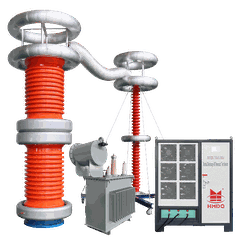



The Function of Lightning Impulse Voltage Generators
A lightning impulse voltage generator is a device designed to simulate lightning strikes. Its function is to produce high-voltage pulses in a laboratory environment, thereby replicating the effects of lightning on electrical equipment. This equipment is typically used to test the lightning resistance of electrical devices, ensuring they continue to operate normally when subjected to lightning strikes.

By generating high-voltage pulses and exposing electrical equipment to these pulses, the generator simulates the impact of lightning on the equipment. This facilitates the evaluation of the equipment's lightning resistance and helps identify potential failure modes that may occur during a lightning strike. Through the use of this equipment, engineers and researchers can gain a better understanding of how equipment performs in lightning environments and take necessary measures to enhance its lightning resistance.
Lightning impulse voltage generators play a critical role in the research, development, and testing of electrical equipment. By simulating lightning strikes, potential equipment issues can be identified early, enabling improvements and optimizations. This helps ensure the reliability and stability of equipment in real-world applications, thereby reducing damage and production downtime caused by lightning strikes.
In summary, lightning impulse voltage generators are vital tools that enable engineers and researchers to evaluate electrical equipment's lightning resistance, thereby enhancing reliability and stability. Utilizing this equipment provides superior protection against lightning strikes, ensuring uninterrupted operation even in harsh environments.