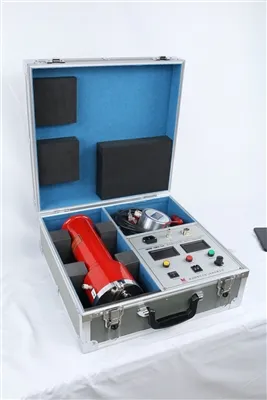
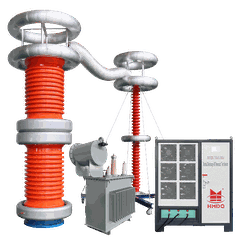



Hey there! As a supplier of Inductive Resonant Test Systems, I've seen firsthand how crucial it is to boost the test efficiency of these systems. In this blog, I'll share some practical tips and tricks to help you get the most out of your Inductive Resonant Test System.
Understanding the Inductive Resonant Test System
Before we dive into the ways to improve test efficiency, let's quickly go over what an Inductive Resonant Test System is. This system is used to test high - voltage equipment, such as cables, transformers, and switchgear. It works by creating a resonant circuit, which allows for high - voltage testing with relatively low input power.
There are different types of Inductive Resonant Test Systems available in the market. For example, the AC Variable Frequency Resonant Test System is great for testing a wide range of equipment as it can adjust the frequency to achieve resonance. The AC Resonant Test System with PD is equipped with partial discharge (PD) measurement capabilities, which is essential for detecting insulation defects. And the Inductance Adjustable AC Resonant Test System allows for easy adjustment of inductance to match different test requirements.
Tips to Improve Test Efficiency
1. Proper System Setup
The first step in improving test efficiency is to set up the system correctly. Make sure all the components are properly connected and grounded. Incorrect connections can lead to inaccurate test results and even damage to the equipment. Also, ensure that the test environment is clean and free from any interference. For example, avoid setting up the system near large electrical motors or other sources of electromagnetic interference.
2. Calibration
Regular calibration of the Inductive Resonant Test System is crucial. A calibrated system ensures accurate test results. You should calibrate the system at least once a year or more frequently if it is used intensively. Calibration should be done by a qualified technician using the appropriate calibration equipment.


3. Automation
Automating the testing process can significantly improve efficiency. Most modern Inductive Resonant Test Systems come with software that allows for automated testing. This software can control the test parameters, record the test results, and generate reports. By automating the process, you can reduce the time and effort required for testing.
4. Training
Proper training of the operators is essential. Operators should be familiar with the operation of the Inductive Resonant Test System, including how to set up the system, run the tests, and interpret the results. Training can also help operators troubleshoot common problems that may occur during testing.
5. Maintenance
Regular maintenance of the Inductive Resonant Test System is necessary to keep it in good working condition. This includes cleaning the components, checking for any signs of wear and tear, and replacing any damaged parts. A well - maintained system is less likely to break down during testing, which can save a lot of time and money.
6. Use of Appropriate Accessories
Using the right accessories can also improve test efficiency. For example, using high - quality cables and connectors can reduce signal loss and improve the accuracy of the test results. Additionally, using accessories such as voltage dividers and current transformers can help in measuring the test parameters more accurately.
Case Studies
Let's take a look at a couple of case studies to see how these tips can be applied in real - world scenarios.
Case Study 1: A Power Utility Company
A power utility company was using an Inductive Resonant Test System to test the cables in its network. The company was facing issues with long testing times and inaccurate results. After implementing the tips mentioned above, such as proper system setup, calibration, and automation, the company was able to reduce the testing time by 30% and improve the accuracy of the test results.
Case Study 2: A Manufacturing Company
A manufacturing company was using an Inductive Resonant Test System to test its transformers. The operators were not properly trained, which led to frequent errors during testing. After providing training to the operators and implementing regular maintenance, the company saw a significant improvement in the test efficiency. The number of failed tests decreased, and the overall productivity increased.
Conclusion
Improving the test efficiency of an Inductive Resonant Test System is essential for getting accurate results and saving time and money. By following the tips mentioned above, such as proper system setup, calibration, automation, training, maintenance, and use of appropriate accessories, you can significantly enhance the performance of your Inductive Resonant Test System.
If you're interested in learning more about our Inductive Resonant Test Systems or want to discuss your specific testing needs, feel free to reach out to us. We're here to help you find the best solution for your testing requirements.
References
- "High - Voltage Testing Techniques" by James R. Lucas
- "Electrical Insulation for Rotating Machines" by George C. Stone, Edward A. Boulter, Ian Culbert, and Hussein Dhirani