

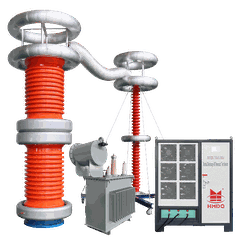



Storing a vehicle-mounted AC resonant tester properly is crucial to ensure its longevity, accuracy, and reliable performance. As a supplier of vehicle-mounted AC resonant testers, I understand the significance of proper storage and maintenance. In this blog post, I will share some essential tips on how to store your vehicle-mounted AC resonant tester correctly.

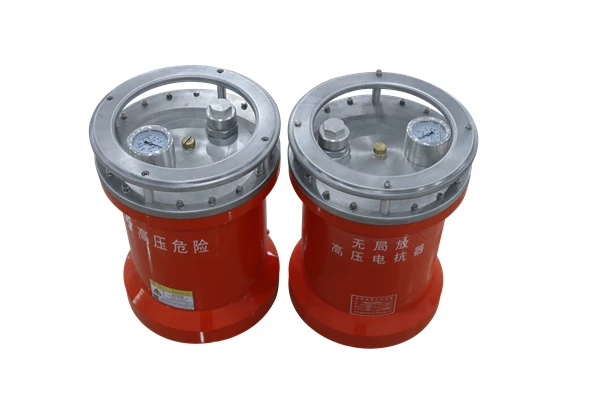
Understanding the Vehicle - Mounted AC Resonant Tester
Before delving into storage methods, it's important to understand what a vehicle - mounted AC resonant tester is. This type of tester is designed to perform high - voltage testing on electrical equipment, such as HV Cable AC Resonant Tester, AC Variable Frequency Resonant Test System, and AC Series Resonant Test System. It is usually installed on a vehicle for easy transportation to different testing sites.
Pre - Storage Inspection
Before storing the vehicle - mounted AC resonant tester, a thorough inspection should be carried out. Check for any visible damage to the tester, such as cracks, dents, or loose connections. Inspect the cables and wiring for signs of wear or fraying. Ensure that all the components are in good working condition. If any issues are detected, they should be repaired before storage to prevent further damage.
Cleaning the Tester
Cleaning the tester is an important step in the storage process. Use a soft, dry cloth to wipe the exterior of the tester to remove dust, dirt, and debris. For stubborn stains, a mild cleaning solution can be used, but make sure to dry the tester thoroughly afterwards. Pay special attention to the ventilation openings to ensure they are not blocked. Cleaning the tester not only keeps it looking good but also helps prevent the accumulation of contaminants that could affect its performance.
Disconnecting and Securing Components
All cables and accessories should be disconnected from the tester. Coil the cables neatly and secure them with cable ties to prevent tangling. Store the cables in a separate container or bag to protect them from damage. If there are any removable components, such as probes or sensors, remove them and store them in a safe place. Make sure that all the components are properly labeled to avoid confusion during reinstallation.
Choosing the Right Storage Location
The storage location plays a vital role in the proper storage of the vehicle - mounted AC resonant tester. The location should be dry, clean, and well - ventilated. Avoid storing the tester in areas prone to flooding, extreme humidity, or high temperatures. A temperature - controlled environment is ideal, with a temperature range between 10°C and 30°C and a relative humidity of less than 70%. A storage room or a garage can be suitable options, as long as they meet these requirements.
Protecting the Tester from Physical Damage
To protect the tester from physical damage during storage, it should be placed on a stable surface. If possible, use a storage rack or a cabinet specifically designed for equipment storage. The tester should be positioned in a way that it is not at risk of being knocked over or bumped into. If the tester is stored in a vehicle, make sure it is securely fastened to prevent movement during transportation.
Battery Maintenance (if applicable)
If the vehicle - mounted AC resonant tester is battery - powered, proper battery maintenance is essential. Remove the battery from the tester and store it separately. Charge the battery to about 50% of its capacity before storage. Check the battery periodically during storage and recharge it if the charge level drops below 20%. This helps to prolong the battery life and prevent damage.
Regular Checks during Storage
Even during storage, the vehicle - mounted AC resonant tester should be checked regularly. Inspect the tester for any signs of damage, corrosion, or mold growth. Check the cables and components for any changes in condition. If any issues are detected, take appropriate action immediately. A monthly check is recommended to ensure the tester remains in good condition.
Recommissioning the Tester
Before using the vehicle - mounted AC resonant tester after storage, a full inspection and testing should be carried out. Reconnect all the cables and components according to the instructions. Check the functionality of the tester by performing a series of test runs. If any problems are found, troubleshoot and repair them before using the tester in actual testing applications.
Documentation
Keep detailed records of the storage process, including the inspection results, cleaning procedures, and any maintenance or repairs carried out. This documentation can be useful for future reference and can help in ensuring the proper storage and maintenance of the tester over time.
Conclusion
Proper storage of a vehicle - mounted AC resonant tester is essential for its long - term performance and reliability. By following these tips, you can ensure that your tester remains in good condition and is ready for use whenever needed. As a supplier, we are committed to providing high - quality vehicle - mounted AC resonant testers and also offer guidance on their proper storage and maintenance. If you are interested in purchasing a vehicle - mounted AC resonant tester or have any questions about storage and maintenance, please feel free to contact us for further discussion and negotiation.
References
- Electrical Equipment Storage Guidelines, Industry Standard Handbook
- Vehicle - Mounted Testing Equipment Maintenance Manuals


