

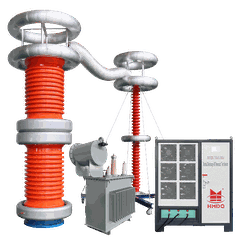



When it comes to the operation of generators, accurately measuring the power frequency is of paramount importance. A Generator Power Frequency Tester is a crucial tool in this process, enabling operators to monitor and ensure the stable and efficient functioning of generators. In this blog, we will delve into the accuracy of a Generator Power Frequency Tester in measuring frequency variations, exploring the factors that affect it and its significance in real - world applications.
Understanding the Basics of Power Frequency Measurement
Power frequency refers to the frequency of the alternating current (AC) in an electrical power system. In most parts of the world, the standard power frequency is either 50 Hz or 60 Hz. Any deviation from this standard frequency can have a significant impact on the performance of electrical equipment connected to the power grid. For example, motors may run at incorrect speeds, and electronic devices may malfunction.
A Generator Power Frequency Tester is designed to measure the frequency of the electrical output of a generator. It works by detecting the number of cycles of the AC waveform within a specific time period. The accuracy of this measurement is crucial as it provides essential information for generator operators to make adjustments and maintain the stability of the power supply.
Factors Affecting the Accuracy of a Generator Power Frequency Tester
1. Sampling Rate
The sampling rate of a frequency tester is one of the most critical factors affecting its accuracy. A higher sampling rate allows the tester to capture more points on the AC waveform, providing a more detailed and accurate representation of the signal. For instance, if a tester has a low sampling rate, it may miss some of the rapid changes in the waveform, leading to inaccurate frequency measurements. Modern Generator Power Frequency Testers are equipped with high - speed analog - to - digital converters (ADCs) to ensure a high sampling rate and thus improve measurement accuracy.
2. Signal Conditioning
The quality of the input signal can also have a significant impact on the accuracy of frequency measurement. Electrical noise, interference, and distortion in the AC waveform can all cause errors in the measurement. Signal conditioning techniques, such as filtering and amplification, are used to clean up the input signal and remove unwanted noise. For example, a low - pass filter can be used to remove high - frequency noise from the signal, while an amplifier can boost the signal strength to improve the signal - to - noise ratio.
3. Calibration
Regular calibration is essential to maintain the accuracy of a Generator Power Frequency Tester. Over time, the internal components of the tester may drift, leading to inaccurate measurements. Calibration involves comparing the measurements of the tester with a known standard and adjusting the tester accordingly. A well - calibrated tester can provide accurate frequency measurements within a very narrow tolerance range. For example, a high - quality tester may have an accuracy of ±0.01 Hz after proper calibration.
4. Environmental Conditions
Environmental factors such as temperature, humidity, and electromagnetic interference can also affect the accuracy of a frequency tester. Extreme temperatures can cause the electrical properties of the internal components to change, leading to measurement errors. High humidity can cause corrosion and short - circuits in the tester, while electromagnetic interference from nearby electrical equipment can introduce noise into the measurement. To mitigate these effects, modern testers are designed to be resistant to environmental factors and may include features such as temperature compensation and shielding.
Real - World Applications and the Importance of Accuracy
In real - world applications, the accuracy of a Generator Power Frequency Tester is crucial for ensuring the reliable operation of generators and the electrical grid. For example, in a power plant, accurate frequency measurement is essential for synchronizing the generator with the grid. If the frequency of the generator output does not match the grid frequency, it can cause power surges, equipment damage, and even blackouts.
In industrial applications, generators are often used to power critical equipment such as motors, pumps, and control systems. Accurate frequency measurement ensures that these equipment operate at their optimal performance levels. For instance, a motor running at an incorrect frequency may consume more energy, generate excessive heat, and have a shorter lifespan.
Moreover, in renewable energy systems such as wind farms and solar power plants, generators are used to convert the energy from renewable sources into electrical power. The accuracy of frequency measurement is essential for integrating these renewable energy sources into the grid and ensuring a stable power supply.
Comparison with Other Testing Equipment
In addition to Generator Power Frequency Testers, there are other types of testing equipment used in the electrical industry. For example, the 300kV/5mA DC Hipot Tester is used to test the insulation resistance of electrical equipment at high voltages. While it serves a different purpose, the accuracy of its measurements is also crucial for ensuring the safety and reliability of the equipment.


Another example is the Cylinder Type AC Test Transformer and the Dry Type AC Test Transformer. These transformers are used to generate high - voltage AC signals for testing electrical insulation. The accuracy of the voltage and frequency of the output signal is essential for conducting accurate tests.
Our Generator Power Frequency Testers: Ensuring High Accuracy
As a leading supplier of Generator Power Frequency Testers, we are committed to providing our customers with high - quality products that offer exceptional accuracy. Our testers are designed with the latest technology and incorporate advanced features to ensure reliable and accurate frequency measurements.
We use high - speed ADCs with a high sampling rate to capture the AC waveform in detail. Our signal conditioning circuits are carefully designed to remove noise and interference from the input signal, ensuring a clean and accurate measurement. In addition, we provide regular calibration services to our customers to ensure that their testers maintain their accuracy over time.
Conclusion
The accuracy of a Generator Power Frequency Tester is crucial for ensuring the reliable operation of generators and the electrical grid. By understanding the factors that affect accuracy, such as sampling rate, signal conditioning, calibration, and environmental conditions, operators can take steps to ensure that their testers provide accurate measurements.
At our company, we are dedicated to providing high - quality Generator Power Frequency Testers that meet the highest standards of accuracy. If you are in need of a reliable frequency tester for your generator, we invite you to contact us for more information and to discuss your specific requirements. Our team of experts is ready to assist you in finding the best solution for your needs.
References
- IEEE Standard for Electric Power Systems Frequency - Measurement Methods.
- Electrical Power Systems: Analysis and Design by J. Duncan Glover, Mulukutla S. Sarma, and Thomas J. Overbye.
- Handbook of Electrical Engineering Measurements by John C. D. H. Williams.


