

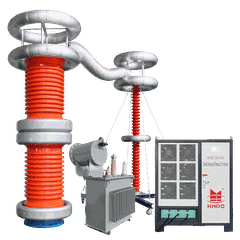


Hey there, fellow electrical techs and field service folks—let’s cut to the chase: using a transformer short circuit impedance measurement tester in a dusty environment is not just a “grime control” task, it’s how you avoid garbage data, dead test gear, and wasted days on the job. I’ve been in this game for 8 years, selling these test units (plus related tools) out of our electrical testing instrument line, and I’ve seen guys drag a dirty tester through a substation job site, only to get a wonky short circuit impedance reading—and that’s the kind of mistake that gets you sent back for rework on the same day. So today, I’m walking through exactly how to keep your tester working when dust is flying, no fancy lab space required.
First, let’s get on the same page about why dust is such a big deal here. Dirt, pollen, construction dust—even that fine metallic swarf from nearby metal work—can sneak into a tester’s tiny openings: the probe ports, cooling vents, touchscreen crevices, and battery compartment slots. Over time, that dust builds up, acts like an insulator that messes with electrical connections, or even shorts out internal components if it’s conductive. I’ve had customers call me panicking because their tester’s calibration shifted after a month on a dusty construction site—and that all started because they skipped basic dust prep. The good news? This is totally avoidable with a few simple, consistent habits.
Let’s start with pre-test setup, because stopping dust before it gets to your tester is way easier than cleaning it up later. First, before you even step on site, grab a dedicated dust cover—we sell them as an add-on, but even a clean heavy-duty trash bag with a hole cut for the screen works in a pinch. This is non-negotiable if you’re working in an open yard, construction area, or near a substation with heavy equipment moving dirt. Pro tip from our team: never use a dust cover that’s already got dust on it from a previous job—that’s just moving grime onto your tester.
Next, check your probes and cables. Dusty environments mean those tiny metal tips on your test probes can get coated in a fine layer of dust, which creates a high-resistance connection between the tester and the transformer terminals. I always tell techs to wipe probe tips with a lint-free isopropyl alcohol wipe before every use, and give the cable ends a quick brush with a soft bristle brush (an old toothbrush works great, no need to buy special gear). And while we’re on test gear, if you need to round out your testing kit for multi-tasking dusty-site jobs, our line includes tools like the Capacitance and Inductance Measuring Tester—perfect for extra measurements on-site without hauling a bunch of separate gear, and it’s built with similar dust-resistant design features to our short circuit impedance units.
Now, when you’re actually running the test, minimize dust exposure as much as possible. If you’re working around a transformer in an area where someone’s cutting metal or moving dirt, set up a temporary wind break with a tarp or even a stack of spare parts boxes to block dust from blowing directly onto your tester. Don’t set it on the ground—use a portable workbench or even a stack of wooden pallets to keep it elevated, so dust doesn’t get kicked up from the surface underneath. Also, keep the tester’s cooling vents clear at all times—dust clogging vents is the #1 reason overheating happens in dusty settings, and overheating kills circuit boards fast. Our Short Circuit Impedance Test Instrument is specifically designed with wider, filtered vents to cut down on dust intake, but even that needs a quick check mid-job if you see dust starting to build around them.
Wait, mid-job maintenance is a step most people skip. If you’re running multiple tests over the course of a day, take 2 minutes every few tests to wipe down the tester’s exterior with a dry microfiber cloth—no wet wipes, because liquid can seep into ports. If you notice dust inside the screen’s edge, use a can of compressed air (held upright, so no liquid comes out) to blow it out—just don’t hold the can too close or you’ll blast dust deeper into the unit. I’ve seen guys skip this and end up with a screen full of dust halfway through a critical test, forcing them to pause and waste time cleaning instead of finishing the job on schedule.
When the test is done, that’s when the real dust control happens. Don’t just toss your tester in the back of your work truck covered in grime—take it apart a little (following the manual, obviously) to clean the ports and battery compartment. For battery compartments, pull the batteries out first, then use a soft brush to dislodge any dust that’s settled there. Old dust in the battery compartment can cause corrosion that kills the battery connections over time, so this only takes 30 seconds and saves you from having to replace battery contacts prematurely. Also, wrap the tester in its dust cover immediately after cleaning, and store it in a sealed hard case when you get back to the office—never leave it out on a workbench overnight, because that’s when dust settles deep into every nook.


Now, let’s talk about common mistakes I see that actually make dust problems worse. First, using a regular vacuum to clean the tester—vacuums generate static electricity, which can fry the delicate internal circuits of your impedance tester, even if it’s turned off. Stick to compressed air and soft brushes, that’s it. Second, ignoring other related testing tools when you’re working in dusty areas. If you need to run a turns ratio test too, our 3-phase TTR Transformer Turns Ratio Tester is built with the same dust-resistant features as our impedance units, so you don’t have to worry about switching gear that’s more prone to dust damage. And if you’re doing full characteristic checks on transformers, the Transformer Comprehensive Characteristic Test Bench is designed to handle dusty site conditions better than older bulkier models, since it has sealed connection points and integrated dust filtration.
Another thing: calibration. Dust can throw off your tester’s readings even if you clean it regularly, so don’t skip annual calibrations, and definitely get it checked if you’ve been using it heavily in a dusty environment for months. We offer on-site calibration for our gear, but if you’re not local, we can send you a pre-paid label to send it in—no stress. I always tell customers: a $100 calibration fee is way cheaper than rework costs from bad readings caused by a dusty tester.
Wait, what about if you’re working in super dusty environments—like a construction site where they’re pouring concrete, or a power plant where there’s constant ash in the air? For those cases, I recommend adding a disposable dust filter over the tester’s vents—you can cut small pieces of a clean microfiber cloth and tape them loosely over the vents (don’t block them fully, or you’ll cause overheating). We also sell custom vent filters for our line, and the Transformer Material Analyzer, which is used for testing transformer core and winding materials, has sealed sample ports that keep dust out even in the dustiest power plant environments.
Let’s be real, most techs don’t have time for 10-step dust routines on the job. Keep it simple: prep (dust cover, wipe probes), protect (elevate, wind breaks), maintain (mid-job quick clean), and wrap (store sealed). That’s it, no complicated processes. I’ve seen this work on jobs ranging from small residential transformer installs to big substation overhauls, and it’s saved so many guys from headaches.
Now, if you’re looking to upgrade your test gear to make dusty-site work even easier, we’ve got a full line of transformers testing instruments built with dust resistance in mind, all on our site. Whether you need a dedicated short circuit impedance tester, or you want a complete kit with tools to handle every test on a dusty job, we can help. Just reach out to our team—we don’t do spammy sales calls, we just give honest advice based on years of working with field techs.
References:
- IEEE Std C57.12.90-2015, "Test Code for Liquid-Immersed Distribution, Power, and Regulating Transformers"
- Occupational Safety and Health Administration (OSHA), "Workplace Dust Control and General Ventilation"
- National Electrical Manufacturers Association (NEMA), "Standard for Enclosures for Electrical Equipment (NEMA 250)"
- Field Service Technology Association (FSTA), "Best Practices for Portable Test Instrument Maintenance in Harsh Environments"


