

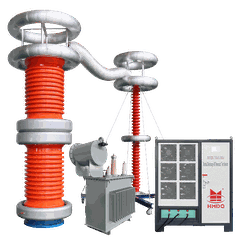



Circuit breakers are crucial components in electrical systems, serving as a safeguard against overloads and short - circuits. As a primary current injection test set supplier, I've seen firsthand the importance of proper testing procedures for circuit breakers. In this blog, I'll walk you through the test procedures for circuit breakers using a primary current injection test set.


Pre - test Preparations
Before starting the actual test, there are several steps you need to take. First, make sure you have the right primary current injection test set for the job. We offer a variety of options, like the 1000A DC Primary Current Injection Tester, which is great for different types of circuit breaker tests.
Inspect the circuit breaker thoroughly. Check for any visible damage, loose connections, or signs of wear and tear. This visual inspection can help you identify any obvious issues before you start the testing process.
Next, gather all the necessary tools and safety equipment. You'll need things like insulated gloves, safety glasses, and a reliable multimeter. Safety should always be your top priority when working with electrical systems.
Setting Up the Test Equipment
Once you've completed the pre - test preparations, it's time to set up the primary current injection test set. Connect the test set to the circuit breaker according to the manufacturer's instructions. Make sure all the connections are secure to avoid any electrical hazards.
Set the test parameters on the primary current injection test set. This includes the current level, the duration of the test, and the type of test you want to perform. For example, if you're testing for overload protection, you'll need to set the current level above the rated current of the circuit breaker for a specific period.
Performing the Tests
Short - Circuit Test
The short - circuit test is one of the most important tests for circuit breakers. It simulates a short - circuit condition in the electrical system. To perform this test, use the primary current injection test set to inject a high - level current into the circuit breaker. The current should be well above the rated short - circuit current of the breaker.
Monitor the circuit breaker's response. A properly functioning circuit breaker should trip within a specified time frame. If the breaker fails to trip, it could indicate a problem with the breaker's internal mechanism or the trip settings.
Overload Test
The overload test is used to check the circuit breaker's ability to handle sustained overcurrents. Set the primary current injection test set to a current level slightly above the rated current of the circuit breaker. Let the current flow for a specific period, usually several minutes.
During the test, monitor the temperature of the circuit breaker. If the temperature rises too high or the breaker trips prematurely, it may need adjustment or replacement.
Temperature Rise Test
The temperature rise test is essential for ensuring the long - term reliability of the circuit breaker. We have a Primary Current Temperature Rise Test System and Primary Current Temperature Rise Test Set that can be used for this purpose.
Inject a steady current into the circuit breaker for an extended period. Use temperature sensors to monitor the temperature of different parts of the breaker, such as the contacts and the busbars. The temperature rise should be within the acceptable limits specified by the manufacturer.
Post - test Analysis
After completing the tests, it's time to analyze the results. Compare the test results with the manufacturer's specifications. If the circuit breaker passed all the tests, it's likely in good working condition. However, if there are any discrepancies, further investigation may be required.
Document all the test results, including the test parameters, the time of the test, and the observed behavior of the circuit breaker. This documentation can be useful for future reference and for compliance purposes.
Why Choose Our Primary Current Injection Test Sets
As a supplier of primary current injection test sets, we understand the importance of accurate and reliable testing equipment. Our test sets are designed to meet the highest industry standards and are built to last.
We offer a wide range of test sets to suit different needs and budgets. Whether you're a small electrical contractor or a large utility company, we have the right solution for you. Our team of experts is always available to provide technical support and advice, ensuring that you get the most out of your testing equipment.
Contact Us for Your Testing Needs
If you're in the market for a primary current injection test set or need more information about circuit breaker testing procedures, don't hesitate to reach out. We're here to help you ensure the safety and reliability of your electrical systems. Whether you have questions about our products or need assistance with a specific testing scenario, our team is ready to assist.
References
- Electrical Safety Standards Handbook
- Circuit Breaker Manufacturer's Manuals


