




What is the high - temperature performance limit of breakdown voltage test equipment?
As a supplier of Breakdown Voltage Test Equipment, I am often asked about the high - temperature performance limits of our products. In this blog, I will delve into this topic, exploring the factors that affect the high - temperature performance of breakdown voltage test equipment and what these limits mean for users.


Understanding Breakdown Voltage Test Equipment
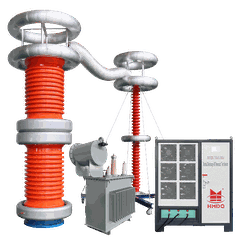
Before discussing the high - temperature performance limits, it's essential to understand what breakdown voltage test equipment is. Breakdown voltage test equipment, such as the Breakdown Voltage Test Equipment, is used to determine the maximum voltage that an electrical insulation can withstand before it breaks down. This is crucial for ensuring the safety and reliability of electrical components and systems.
The equipment works by applying a gradually increasing voltage to the insulation under test until breakdown occurs. The voltage at which breakdown happens is recorded as the breakdown voltage. This test helps manufacturers and users identify potential weaknesses in insulation materials and components, preventing electrical failures and safety hazards.
Factors Affecting High - Temperature Performance
Several factors can influence the high - temperature performance of breakdown voltage test equipment.
1. Component Materials
The materials used in the construction of the test equipment play a significant role. For example, the insulation materials within the equipment need to maintain their insulating properties at high temperatures. If the insulation materials degrade at elevated temperatures, it can lead to inaccurate test results or even equipment failure. Many modern breakdown voltage test equipment use high - quality insulation materials that are designed to withstand high temperatures, but there are still limits to their performance.
2. Heat Dissipation
Effective heat dissipation is crucial for maintaining the performance of breakdown voltage test equipment at high temperatures. The equipment generates heat during operation, especially when applying high voltages. If the heat cannot be dissipated efficiently, the internal temperature of the equipment will rise, which can affect the performance of electronic components. For instance, the resistance of electrical components may change with temperature, leading to inaccurate voltage measurements.
3. Electronic Components
The electronic components within the test equipment, such as transformers, capacitors, and resistors, have their own temperature limits. For example, a transformer may overheat at high temperatures, which can cause a reduction in its efficiency and potentially damage the equipment. Capacitors may also experience changes in capacitance and leakage current at high temperatures, affecting the accuracy of the test.
Determining the High - Temperature Performance Limit
The high - temperature performance limit of breakdown voltage test equipment is typically determined through a combination of laboratory testing and theoretical analysis.
Laboratory Testing
Manufacturers conduct extensive laboratory tests to evaluate the performance of the equipment at different temperatures. These tests involve subjecting the equipment to a range of high temperatures and monitoring its performance parameters, such as breakdown voltage measurement accuracy, power consumption, and component temperatures. By analyzing the test results, manufacturers can determine the maximum temperature at which the equipment can operate reliably.
Theoretical Analysis
Theoretical analysis is also used to predict the high - temperature performance of the equipment. Engineers use mathematical models to simulate the behavior of the equipment at high temperatures, taking into account factors such as heat transfer, component characteristics, and electrical performance. This helps in understanding the underlying mechanisms that affect the equipment's performance and in optimizing its design for high - temperature operation.
Impact of High - Temperature Limits on Users
The high - temperature performance limit of breakdown voltage test equipment has several implications for users.
Accuracy of Test Results
At temperatures close to or beyond the high - temperature limit, the accuracy of the breakdown voltage measurements may be compromised. This can lead to incorrect assessment of the insulation quality of electrical components, potentially resulting in the acceptance of faulty components or the rejection of good ones.
Equipment Lifespan
Operating the equipment at high temperatures for extended periods can reduce its lifespan. The high temperatures can cause accelerated aging of components, leading to premature failure. This not only increases the cost of equipment replacement but also disrupts the testing process.
Safety
Exceeding the high - temperature limit can pose safety risks. Overheating of the equipment can lead to electrical fires or other safety hazards. Therefore, it is essential for users to operate the equipment within its specified temperature range to ensure safety.
Our Solutions
As a supplier of breakdown voltage test equipment, we are committed to providing high - quality products with excellent high - temperature performance. Our Automatic Power Frequency Control Test Equipment and 5kvA/100kV - AC Hipot Tester are designed with advanced heat dissipation systems and high - quality components to ensure reliable operation at high temperatures.
We also provide comprehensive technical support to our customers. Our team of experts can help users understand the high - temperature performance limits of our equipment and provide guidance on how to operate the equipment safely and effectively in high - temperature environments.
Conclusion
Understanding the high - temperature performance limit of breakdown voltage test equipment is crucial for ensuring accurate test results, equipment lifespan, and safety. As a supplier, we strive to develop and provide equipment that can perform reliably in a wide range of temperatures. If you are interested in our breakdown voltage test equipment or have any questions about its high - temperature performance, please feel free to contact us for further discussion and procurement opportunities.
References
- "High - Voltage Testing Techniques" by John G. Malcolm
- "Electrical Insulation Handbook" by E. A. Cherney, M. S. Darveniza, and R. M. Densley


