

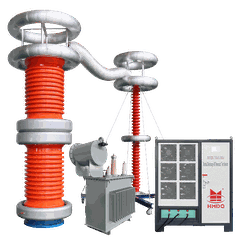



Hey there! As a supplier of the 3000A Split Current Tester, I've been getting a lot of questions lately about how temperature can affect the measurement accuracy of this nifty piece of equipment. So, I thought I'd sit down and write a blog post to share what I know.
Let's start by understanding what the 3000A Split Current Tester is all about. It's a powerful tool used for testing electrical systems, especially when you need to measure high currents. This tester is designed to be split, which means it can be easily clamped around a conductor without having to disconnect it. It's a real time - saver and a must - have for electricians and technicians working on high - current applications. You can check out more about it here.
Now, let's dive into the main topic: the influence of temperature on its measurement accuracy.
How Temperature Affects the Components
The 3000A Split Current Tester is made up of several components, and each one can be affected by temperature in different ways.
The Sensor
The sensor in the tester is the heart of the measurement process. It's responsible for detecting the current flowing through the conductor. Most sensors are made of materials whose electrical properties can change with temperature. For example, the resistance of the sensor can increase or decrease as the temperature rises or falls. When the resistance changes, it can lead to errors in the current measurement.
Let's say we're in a hot environment. The increased temperature can cause the atoms in the sensor material to vibrate more vigorously. This increased vibration can impede the flow of electrons, effectively increasing the resistance. As a result, the sensor might measure a lower current than the actual value. On the other hand, in a cold environment, the atoms vibrate less, and the resistance might decrease. This could lead to an over - estimation of the current.
The Circuitry
The internal circuitry of the tester also plays a crucial role in the measurement process. It amplifies the signal from the sensor and converts it into a readable current value. The components in the circuitry, such as resistors, capacitors, and transistors, are also sensitive to temperature.
Resistors, for instance, have a temperature coefficient that determines how their resistance changes with temperature. If the temperature changes, the resistance of these resistors can vary, which can affect the gain of the amplifier circuit. A change in the gain means that the output signal from the circuitry will be different from what it should be, leading to inaccurate current measurements.
Impact on Calibration
Calibration is a process where the tester is adjusted to ensure accurate measurements. It's usually done at a specific temperature, often around room temperature (about 20 - 25°C). When the temperature deviates from this calibration temperature, the tester's accuracy can be compromised.
Let's assume the tester was calibrated at 22°C. If you use it in an environment where the temperature is 40°C, the changes in the sensor and circuitry due to the higher temperature can cause the measurements to be off. The calibration settings that were accurate at 22°C are no longer valid at 40°C.
To maintain accuracy, it might be necessary to recalibrate the tester at the new temperature. However, this can be time - consuming and might not always be practical, especially in the field.
Real - World Examples
To give you a better idea of how temperature can affect the measurement accuracy, let's look at some real - world scenarios.
Industrial Settings
In industrial plants, the temperature can vary widely. For example, near large motors or furnaces, the temperature can be extremely high. If an electrician uses the 3000A Split Current Tester in these hot areas to measure the current flowing through a high - power cable, the measurements might be inaccurate. This could lead to incorrect assessments of the electrical system's performance, potentially causing safety hazards or inefficient operation.
Outdoor Applications
In outdoor electrical installations, the temperature can change from extremely cold in winter to very hot in summer. When technicians are testing the current in power lines or transformers during different seasons, the temperature variations can have a significant impact on the accuracy of the 3000A Split Current Tester. A measurement taken on a cold winter day might be different from one taken on a hot summer day, even if the actual current remains the same.
Mitigating the Effects of Temperature
So, what can we do to minimize the influence of temperature on the measurement accuracy of the 3000A Split Current Tester?


Temperature Compensation
Some advanced models of the tester come with temperature compensation features. These features use algorithms to adjust the measurement based on the temperature. For example, the tester can measure the ambient temperature and then apply a correction factor to the current measurement to account for the changes in the sensor and circuitry due to temperature.
Environmental Control
If possible, try to use the tester in an environment where the temperature is relatively stable. In a laboratory setting, you can control the temperature using air - conditioning or heating systems. In the field, you might have to wait for a more favorable temperature or use insulation to protect the tester from extreme temperature changes.
Regular Calibration
As mentioned earlier, regular calibration is essential. It's a good idea to calibrate the tester at different temperatures to cover a wide range of operating conditions. This way, you can have more confidence in the accuracy of the measurements, regardless of the temperature.
Other Related Testers
If you're looking for other options in the current testing equipment, we also offer the 3000A Integrated Current Tester and the 5000A Primary Current Injection Test Set. These testers also have their own characteristics and can be suitable for different applications.
Conclusion
In conclusion, temperature can have a significant influence on the measurement accuracy of the 3000A Split Current Tester. The sensor and circuitry are sensitive to temperature changes, which can lead to errors in the current measurements. Calibration is affected, and real - world applications show that temperature variations can cause problems in accurate current assessment.
However, with features like temperature compensation, environmental control, and regular calibration, we can mitigate these effects. If you're in the market for a high - quality current tester or have any questions about how temperature might affect your measurements, don't hesitate to reach out. We're here to help you make the right choice and ensure accurate electrical testing.
References
- Electrical Measurement Handbook, published by a leading electrical engineering association.
- Technical documentation of the 3000A Split Current Tester.
- Research papers on the temperature effects on electrical measurement equipment.


