

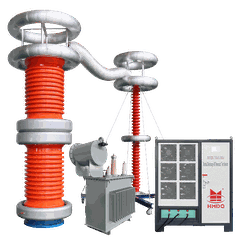


Easy to Understand! Goldhome Insulation Resistance Tester (Meggar) Data and Application Guide
Wuhan Goldhome Electrical Co., Ltd.'s Insulation Resistance Tester (commonly known as a "megohmmeter""Meggar") has become essential insulation testing equipment for newcomers in the power industry, thanks to its precise and stable testing performance and simple, user-friendly design. Below, we break down core test data and application scenarios in plain language to help beginners quickly grasp the device's usage.
I. Core Test Data (for Beginners): The device comes in three mainstream models categorized by voltage rating to suit different scenarios. Test accuracy error is ≤±3%, compliant with the GB/T 15299-2017 industry standard, ensuring reliable and authentic data.
1. 500V Model: Range 0~1000MΩ, specifically designed for low-voltage equipment testing. Passing standard: insulation resistance ≥0.5MΩ; motor equipment requires ≥1MΩ. Suitable for routine testing of elevator control circuits, low-voltage cables, etc.
2. 2500V Model: Range 0~2000MΩ, compatible with 10kV high-voltage equipment. Passing standard ≥1000MΩ. Suitable for insulation testing of 10kV transformers, high-voltage motor windings, etc., with leakage current monitoring accuracy reaching microampere level.
3. 5000V Model: Range 0~5000MΩ, designed for 35kV and higher voltage equipment. Passing standard ≥1500MΩ. Features triple-layer electromagnetic shielding for precise testing of high-voltage cables and insulators in complex environments. Newly installed insulators require ≥500MΩ, while operational insulators require ≥300MΩ.
All models support automatic voltage stabilization testing with adjustable test duration (0~999 seconds). Values automatically lock upon stabilization, eliminating manual reading errors by novices.

II. Practical Application Scenarios :
1. Power Engineering Acceptance: Prior to commissioning new substations or transmission lines, test the insulation performance of cables, transformers, and GIS equipment using models matching the corresponding voltage level. This identifies potential insulation issues from manufacturing, ensuring compliance with operational standards.
2. Routine Maintenance Inspections: During periodic maintenance at power plants and industrial parks, inspect the insulation status of motor windings and distribution cabinet circuits. Particularly in humid or high-temperature environments, this enables early detection of insulation aging and leakage issues, preventing equipment failures.
3. Fault Diagnosis and Localization: When leakage or tripping occurs in lines or equipment, measure insulation resistance values with the instrument. Comparing results against qualification standards enables rapid determination of insulation failure as the cause, narrowing troubleshooting scope.
4. Special Equipment Inspection: For circuit systems in elevators and industrial machinery, use the 500V model to test insulation in main circuits and control loops. This ensures operational safety and compliance with special equipment maintenance regulations.
This insulation resistance tester from Goldhome requires no complex setup. Beginners can complete testing in three steps: "Select model - Connect circuit - Start test." Equipped with audible and visual alarms, it automatically alerts when insulation values fail to meet standards. With an IP54 protection rating, it withstands outdoor and workshop environments, making it a cost-effective choice for power testing novices and field operations.


