

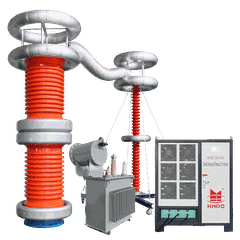


Portable Dissolved Gas Analysers for Transformer Dissolved Gas Analysis
Transformer oil dissolved gas analysis (DGA) is an important diagnostic method for evaluating the condition of oil-immersed transformers and other oil-filled electrical equipment. The gases generated during insulation degradation, overheating, partial discharge and electrical arcing can provide information about developing internal faults.
Portable dissolved gas analysers allow maintenance engineers to perform gas analysis closer to the transformer installation site. Instead of transporting every oil sample to a laboratory, a portable instrument can provide on-site measurement results to support maintenance decisions, troubleshooting and transformer condition assessment.
For utilities, transformer service companies and industrial power facilities, portable DGA equipment offers a practical solution for field inspection and condition monitoring.
1. Why Transformer Dissolved Gas Analysis Matters
When a transformer experiences thermal or electrical stress, its insulating oil and solid insulation materials may decompose and generate gases.
These gases dissolve in the insulating oil and can accumulate over time. Their concentrations and changing patterns may provide diagnostic information about the transformer.
Common gases monitored in transformer DGA include:
| Gas | Chemical Formula | Diagnostic Significance |
|---|---|---|
| Hydrogen | H₂ | Associated with several electrical and thermal fault processes |
| Methane | CH₄ | May indicate thermal or electrical stress |
| Ethane | C₂H₆ | Often associated with lower-temperature thermal decomposition |
| Ethylene | C₂H₄ | Commonly associated with higher-temperature oil decomposition |
| Acetylene | C₂H₂ | Important indicator associated with high-energy electrical discharge or arcing |
| Carbon monoxide | CO | Associated with degradation involving cellulose insulation |
| Carbon dioxide | CO₂ | Used in evaluating paper insulation degradation and related condition trends |
| Oxygen | O₂ | May provide information about oil exposure and sealing conditions |
| Nitrogen | N₂ | May help evaluate gas composition and oil-system conditions |
The interpretation of individual gas concentrations should consider transformer design, operating conditions, historical data, sampling conditions and applicable diagnostic guidance.
DGA is not a standalone fault diagnosis. It is one of several methods used to evaluate transformer condition.
2. What Is a Portable Dissolved Gas Analyser?
A portable dissolved gas analyser is a field-deployable instrument designed to extract and measure gases dissolved in transformer insulating oil.
Depending on its measurement technology, the instrument may use gas extraction, headspace separation, gas chromatography, infrared detection, electrochemical sensors or other gas measurement methods.
A typical portable DGA instrument may include:
Oil sample connection or sample inlet
Gas extraction and separation system
Gas measurement sensors
Measurement control unit
Touchscreen or operating interface
Data storage
Analysis software
Report generation functions
Portable carrying case
Some portable analysers measure several fault gases in one test. Other models focus on selected gases, such as hydrogen, or provide additional moisture measurement.
The gas detection configuration, measurement range, accuracy and analysis time vary by instrument. These specifications should be verified against the manufacturer's technical documentation.
3. How Portable DGA Testing Works
Portable dissolved gas analysis generally involves several stages.
Step 1 - Oil Sample Collection
An oil sample is collected from the transformer using an appropriate sampling procedure.
Sampling quality is important because gas loss, air contamination, improper handling or sample leakage may affect the analytical results.
The sample should be collected and handled according to the applicable procedures and instrument requirements.
Step 2 - Gas Extraction
The analyser extracts dissolved gases from the insulating oil.
Depending on the instrument design, gas extraction may use headspace methods, vacuum extraction or other separation techniques.
Step 3 - Gas Measurement
The extracted gases are measured using the instrument's detection system.
The analyser determines the concentration of the gases included in its measurement configuration.
Step 4 - Result Display
The measured gas concentrations are displayed on the instrument interface.
Results may be expressed in ppm or other specified concentration units depending on the instrument and reporting method.
Step 5 - Data Recording and Reporting
Test results can be stored for comparison with previous transformer samples.
Some portable analysers provide electronic reports, data export, built-in printing or software-based data management.
The recorded data helps maintenance teams evaluate gas concentration changes and identify transformers requiring additional investigation.
4. Key Gas Analysis for Transformer Fault Assessment
Portable DGA analysers are commonly used to examine several important fault gases.
Hydrogen - H₂
Hydrogen is an important diagnostic gas in transformer oil.
Its presence and concentration changes may be associated with electrical discharges, partial discharge activity or other fault processes.
Hydrogen trends can be particularly useful when evaluating developing electrical abnormalities.
Acetylene - C₂H₂
Acetylene is an important gas associated with high-energy electrical discharge and arcing conditions.
Elevated acetylene concentrations may require further investigation, particularly when accompanied by other abnormal gas patterns or increasing concentrations.
Ethylene - C₂H₄
Ethylene is commonly associated with thermal decomposition of transformer oil under higher-temperature conditions.
Its concentration and relationship with other hydrocarbon gases can support thermal fault assessment.
Methane and Ethane - CH₄ and C₂H₆
These gases can contribute to the evaluation of thermal and electrical fault processes.
Their relative concentrations and trends are interpreted together with other measured gases rather than individually.
Carbon Monoxide and Carbon Dioxide - CO and CO₂
Carbon monoxide and carbon dioxide are important when evaluating possible involvement of cellulose-based insulation.
Changes in these gases may provide useful information about paper insulation degradation, although interpretation must consider transformer operating conditions and historical measurements.
5. Portable DGA Analyser vs. Laboratory Gas Chromatography

Portable DGA equipment and laboratory gas chromatography serve related but different purposes.
| Comparison | Portable DGA Analyser | Laboratory Gas Chromatography |
|---|---|---|
| Main application | On-site analysis | Laboratory analysis |
| Sample handling | Designed for field testing | Laboratory sample preparation |
| Portability | Field-deployable | Typically stationary |
| Testing workflow | Simplified instrument-based process | Laboratory analytical procedure |
| Measurement technology | Varies by model | Gas chromatographic separation and detection |
| Turnaround | Intended for field results | Depends on laboratory process |
| Applications | Inspection, troubleshooting, maintenance | Detailed analysis, verification and routine laboratory programs |
| Data management | Often integrated into instrument | Laboratory reporting and database systems |
Portable instruments can provide faster access to field results, but their measurement methods, detection limits and performance are not necessarily equivalent to every laboratory DGA method.
For critical transformer diagnosis, unusual gas patterns, disputed results or decisions requiring laboratory-level confirmation, a qualified laboratory analysis may be appropriate.
6. Field Applications of Portable Dissolved Gas Analysers
Transformer Routine Maintenance
Maintenance teams can conduct periodic DGA checks to monitor transformer condition and identify changes in gas concentrations.
Comparing results with previous samples can help detect developing abnormalities.
Transformer Fault Investigation
When abnormal transformer operation, protection events or other warning signs occur, portable DGA equipment can provide additional information for troubleshooting.
Gas analysis may help determine whether further inspection, electrical testing or transformer maintenance is required.
Substation Inspection
Portable analysers are suitable for field inspection programs involving oil-filled power transformers, distribution transformers and other oil-immersed equipment, subject to the instrument's application scope.
Industrial Power Systems
Factories, mining facilities, petrochemical plants and other industrial facilities may use portable DGA equipment to support transformer maintenance and reduce unexpected equipment downtime.
Transformer Service and Testing Companies
Service contractors can use portable gas analysis equipment during transformer inspections, maintenance campaigns and commissioning-related condition assessments.
7. Using DGA Results for Transformer Condition Monitoring
A single DGA result provides a snapshot of the transformer condition at the time of sampling.
A more effective condition assessment involves reviewing historical gas concentrations and comparing changes over time.
Engineers may examine:
Individual gas concentration
Total combustible gas concentration, where applicable
Gas generation rate
Changes between sampling periods
Relative gas concentration patterns
Previous abnormal results
Transformer operating history
Loading and temperature conditions
Related electrical test results
The interpretation of gas concentrations and fault patterns should follow recognized diagnostic guidance, including applicable IEC or IEEE recommendations.
IEC 60599 provides guidance on interpreting dissolved and free gas analysis for mineral-oil-filled electrical equipment in service. Its diagnostic indications should be used with engineering judgment and the broader transformer condition assessment.
8. Important Factors When Selecting a Portable DGA Analyser
Selecting a portable dissolved gas analyser requires more than checking the number of measured gases.
Gas Measurement Configuration
Confirm which gases the instrument measures individually.
A typical multi-gas analyser may include hydrogen, methane, ethane, ethylene, acetylene, carbon monoxide and carbon dioxide. Some models also measure oxygen, nitrogen, propane or moisture.
The gas list should match the intended diagnostic application.
Measurement Range and Detection Limit
The measurement range and detection limits should be suitable for the expected gas concentrations in the transformer fleet.
Engineers should review the specified range, resolution, accuracy and repeatability for each gas.
Measurement Technology
Different analysers use different extraction and detection technologies.
The selected instrument should be suitable for the required field application, sample handling process and maintenance program.
Test Time
For field inspection programs involving multiple transformers, analysis time can affect daily maintenance efficiency.
The complete workflow should include sample collection, preparation, extraction, measurement, cleaning and report generation.
Portability
A field instrument should be suitable for transportation between substations and transformer installations.
Consider carrying case design, instrument weight, power supply options, operating environment and field access.
Data Management
Historical DGA results are important for transformer condition monitoring.
Data storage, report generation, communication interfaces and software compatibility can help maintenance teams maintain transformer records.
Standards and Test Method
Verify the manufacturer's stated test method and standards applicability.
Standards-related claims should be based on the actual instrument configuration and documented validation rather than the general category of portable DGA equipment.
9. Goldhome Portable Transformer Oil DGA Solutions
Goldhome provides transformer oil testing and dissolved gas analysis equipment for transformer manufacturers, utilities, electrical laboratories and industrial maintenance teams.
Portable dissolved gas analysers can support field oil analysis and transformer condition assessment by providing measurement of selected dissolved fault gases.
Depending on the instrument configuration, a portable DGA solution may support:
Transformer oil dissolved gas analysis
Multi-gas measurement
Field sampling and testing
Gas concentration display
Transformer condition inspection
Test result storage
Diagnostic data management
Maintenance reporting
The appropriate configuration depends on the gas measurement requirements, instrument technology, measurement range, test method and field application.
For customers requiring portable transformer oil DGA equipment, Goldhome can provide technical information to support equipment selection and testing workflow planning.
Goldhome Hipot Electrical Equipment
Website: https://www.goldhomehipot.com
WhatsApp:+8618971538425
FAQ
What does a portable dissolved gas analyser measure?
Depending on its configuration, a portable DGA analyser can measure hydrogen, methane, ethane, ethylene, acetylene, carbon monoxide and carbon dioxide. Some instruments also measure oxygen, nitrogen, propane and moisture in oil.
Why use a portable DGA analyser instead of sending oil samples to a laboratory?
Portable DGA equipment provides field-based measurement results and can reduce the waiting time associated with sample transportation and laboratory processing. Laboratory testing may still be required for confirmation or specialized analysis.
Can portable DGA equipment detect transformer faults?
It can measure gases associated with potential fault processes. The gas concentrations and trends may help identify possible thermal or electrical abnormalities, but DGA results should be interpreted with other transformer condition information.
What is the difference between portable DGA and online DGA monitoring?
Portable DGA equipment is generally used for manually initiated field testing. Online DGA monitoring equipment is installed on or connected to the transformer and performs measurements according to its monitoring configuration and schedule.
Which gases are most important in transformer DGA?
Hydrogen, methane, ethane, ethylene, acetylene, carbon monoxide and carbon dioxide are commonly included in transformer DGA assessment. Their diagnostic significance depends on gas concentrations, relationships, trends and transformer operating conditions.
Does portable DGA replace laboratory gas chromatography?
Not necessarily. Portable analysers provide practical field testing, while laboratory chromatography may be preferred for detailed analysis, confirmation, reference measurements or specialized investigations.
Conclusion
Portable dissolved gas analysers provide an efficient method for conducting transformer oil DGA in the field. By measuring selected fault gases, maintenance teams can obtain additional information about transformer insulation condition and support condition-based maintenance decisions.
For transformer service companies, utilities and industrial maintenance departments, portable DGA equipment offers a useful option for routine inspection, fault investigation and transformer condition monitoring.
The most suitable analyser should be selected according to gas measurement requirements, detection limits, analytical method, field portability, data management and the diagnostic program in which it will be used.


