


Introduction
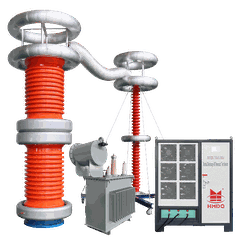
In the field of high-voltage electrical testing, accuracy and safety are paramount. Inductive resonance testing systems have become a breakthrough solution for evaluating the integrity of energy equipment. These systems utilise advanced electromagnetic principles to provide unmatched testing accuracy while minimising energy consumption. This article discusses the basic technology behind these systems and their transformative impact on modern electrical testing practices.
Core technology: Resonance frequency tracking
The core of the inductive resonance testing system lies in its ability to automatically track and maintain the resonance frequency during testing. This patented technical method includes:
•Intelligent frequency modulation that adapts to varying load conditions
•Real-time compensation for environmental factors that affect test accuracy
•Harmonic attenuation technology that eliminates interference from external sources
This automatic frequency control mechanism ensures that the system operates at optimal efficiency regardless of the characteristics of the test object, providing consistent results in different test scenarios.
Key practical benefits
The implementation of resonance frequency technology offers several key benefits in high-voltage testing:
Improved safety parameters
By maintaining precise control over the test parameters, this system significantly reduces the risk of overvoltage situations that could damage equipment or compromise safety. The inherent current-limiting characteristics of the resonance system provide additional protection during test procedures.
Groundbreaking developments in energy efficiency
Traditional testing methods often require significant power consumption, but tuning systems achieve test voltages through intelligent energy recovery. This method typically reduces power consumption significantly compared to conventional testing methods, enabling environmental sustainability without compromising performance.
Use cases
These advanced systems are particularly useful in several critical areas:
•Power transformer approval testing and maintenance diagnostics
•GIS (gas-insulated substation) equipment verification
•Integrity assessment and commissioning tests for cable networks
•Assessment of renewable energy infrastructure, including components for solar and wind farms
Compliance with industry standards
Modern inductive coordinated testing systems are designed to meet international testing standards, including IEC 60270 and IEEE standards for partial discharge measurement. This compliance ensures that test results are recognized and accepted in global markets, particularly in regions participating in international infrastructure initiatives.
Conclusion
The development of inductive resonance test systems represents a significant advance in high-voltage equipment verification methodology. Through innovative frequency control technology and intelligent system design, these solutions provide unprecedented testing accuracy while addressing critical issues related to energy consumption and operational safety. As electrical power systems continue to evolve in complexity and scale, the role of resonance testing technology becomes increasingly vital to ensuring reliable electrical infrastructure.


