


What Is a Generator AC Impedance Tester? Goldhome Hipot Supports Safe Operation and Maintenance at Power Plants Worldwide
A generator AC impedance tester is a specialized instrument used in the power industry to assess the health of rotor windings in steam and hydro generators. By measuring changes in AC impedance and power loss at different rotor speeds, it quickly identifies hidden faults such as turn-to-turn short circuits, insulation damage, loose connections, moisture ingress, and aging in the windings. This helps prevent sudden shutdowns during generator operation, making it an indispensable core piece of equipment for daily maintenance, periodic testing, and new equipment acceptance at power plants.
In terms of equipment performance-the primary concern for customers-the Goldhome Hipot delivers stable and reliable test results. The device features an output voltage range of 0–600V and an output current of 0–120A. With impedance measurement accuracy reaching Class 0.2, it can precisely capture even minute changes in impedance. It supports dual-frequency modes (50Hz/60Hz), compatible with power supply standards in most countries worldwide, and can simultaneously measure impedance, active power, and phase angle-all within a single 5-second test. The instrument features a large-capacity built-in memory of 6,400 sets, allowing for long-term storage of historical data to facilitate comparative analysis by operations and maintenance personnel. Weighing only 5.2 kg, its integrated carry-handle design enables convenient mobility for fieldwork in power plant facilities and remote power stations. The device housing is treated to be dustproof, moisture-resistant, and interference-resistant, ensuring continuous and stable operation in complex environments ranging from -10°C to 45°C, making it suitable for high-temperature, dusty, and humid overseas working conditions.
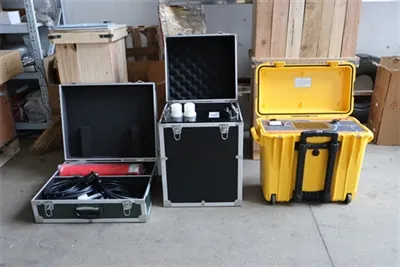
When making purchases, B2B buyers focus on three core issues: delivery lead time, transportation compatibility, and post-purchase operational and maintenance costs. First, regarding delivery lead time, this instrument is produced using a mature, standardized manufacturing process. For standard orders, the cycle from order placement, production, precision calibration, to packaging and shipment is controlled within 22–28 days. Bulk purchases can further shorten this timeframe, meeting the urgent supply needs of overseas power plant maintenance projects. Second is cross-border transportation. The equipment is packed in shock- and moisture-resistant flight cases. Its compact size imposes no shipping restrictions, allowing for transport via sea, land, or air. The manufacturer prepares complete English documentation and customs clearance files in advance, reducing the hassle of customs clearance for buyers. Finally, regarding operational and maintenance costs, the instrument's internal core components are highly interchangeable, and consumables such as test leads and sensors can be supplied in bulk. The average annual maintenance cost is significantly lower than that of imported equipment, reducing long-term usage expenses.