

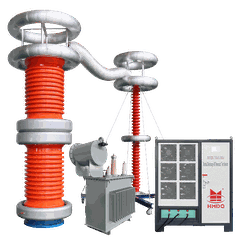



Can a primary current injection test set be used for testing electrical panels? This is a question that many electrical professionals and facility managers often ponder. As a primary current injection test set supplier, I am well - versed in the capabilities and applications of these devices, and I'm here to provide a comprehensive answer.
Understanding Primary Current Injection Test Sets
Before delving into whether a primary current injection test set can be used for testing electrical panels, it's crucial to understand what these test sets are. A primary current injection test set is a specialized piece of equipment designed to inject a known current into an electrical circuit. This injection of current allows technicians to simulate real - world operating conditions and assess the performance and safety of electrical components.
Our company offers a range of primary current injection test sets, including the Primary Current Temperature Rise Test Set. This test set is particularly useful for measuring temperature rises in electrical components under different current loads, which is a critical factor in determining the long - term reliability of electrical systems.
Another notable product in our lineup is the Primary Injection Test Set. With a capacity of up to 3000A, this test set is suitable for a wide range of applications, from small - scale electrical panels to large industrial installations.
The Primary Current Injection Test Device is our high - end offering, capable of injecting currents up to 7500A. This device is ideal for testing high - capacity electrical panels and heavy - duty electrical systems.
Testing Electrical Panels with Primary Current Injection Test Sets
Now, let's address the main question: Can a primary current injection test set be used for testing electrical panels? The answer is a resounding yes. Electrical panels are the heart of any electrical system, distributing power to various circuits and loads. Ensuring their proper functioning is essential for the safety and reliability of the entire electrical installation.
Circuit Breaker Testing
One of the primary applications of a primary current injection test set in electrical panel testing is circuit breaker testing. Circuit breakers are designed to protect electrical circuits from overcurrent conditions by automatically interrupting the flow of current when a fault occurs. A primary current injection test set can be used to test the trip characteristics of circuit breakers. By injecting a known current into the circuit breaker, technicians can verify that it trips at the correct current level and within the specified time frame. This helps to ensure that the circuit breaker will operate as intended in the event of an actual fault, preventing damage to the electrical panel and connected equipment.
Overload and Short - Circuit Protection Testing
In addition to circuit breaker testing, primary current injection test sets can also be used to test the overload and short - circuit protection features of electrical panels. By applying different levels of current to the panel, technicians can assess how the panel responds to various fault conditions. This includes checking the performance of fuses, relays, and other protective devices. If any of these components fail to operate correctly, it could indicate a potential safety hazard or a problem with the electrical panel's design or installation.
Temperature Rise Testing
As mentioned earlier, temperature rise is a critical factor in the performance and reliability of electrical components. A primary current injection test set can be used to measure the temperature rise in electrical panels under different current loads. Excessive temperature rises can lead to insulation degradation, reduced component life, and even fire hazards. By monitoring the temperature rise during testing, technicians can identify potential hot spots in the electrical panel and take corrective action before a serious problem occurs.
Advantages of Using Primary Current Injection Test Sets for Electrical Panel Testing
There are several advantages to using primary current injection test sets for electrical panel testing.
Real - World Simulation
One of the main advantages is the ability to simulate real - world operating conditions. By injecting a known current into the electrical panel, technicians can test the panel under conditions that closely mimic its actual use. This provides more accurate and reliable test results compared to other testing methods that may not fully replicate the electrical stresses experienced in normal operation.


Comprehensive Testing
Primary current injection test sets allow for comprehensive testing of electrical panels. They can be used to test multiple aspects of the panel's performance, including circuit breaker operation, overload and short - circuit protection, and temperature rise. This comprehensive approach helps to ensure that all components of the electrical panel are functioning properly and that the panel meets the required safety and performance standards.
Early Fault Detection
Using a primary current injection test set can help to detect faults in electrical panels at an early stage. By identifying potential problems before they cause a failure or a safety hazard, technicians can take proactive measures to repair or replace faulty components, reducing downtime and maintenance costs.
Limitations and Considerations
While primary current injection test sets are a valuable tool for electrical panel testing, there are some limitations and considerations to keep in mind.
Safety Precautions
Testing electrical panels with a primary current injection test set involves working with high currents, which can be dangerous. Technicians must follow strict safety procedures to prevent electrical shocks, burns, and other injuries. This includes wearing appropriate personal protective equipment (PPE), using insulated tools, and ensuring that the test set is properly grounded.
Equipment Compatibility
It's important to ensure that the primary current injection test set is compatible with the electrical panel being tested. Different electrical panels have different current ratings and configurations, and using an incompatible test set could lead to inaccurate test results or damage to the panel or the test equipment.
Testing Time
Testing electrical panels with a primary current injection test set can be time - consuming, especially for larger panels or complex electrical systems. Technicians need to allow sufficient time for the panel to reach a stable operating temperature and for all the necessary tests to be completed.
Conclusion
In conclusion, primary current injection test sets are a valuable tool for testing electrical panels. They offer a range of benefits, including real - world simulation, comprehensive testing, and early fault detection. However, it's important to use these test sets correctly and to follow all safety precautions to ensure accurate and reliable test results.
If you are in need of a primary current injection test set for your electrical panel testing needs, I encourage you to reach out to us. Our team of experts can help you select the right test set for your specific application and provide you with the support and training you need to use it effectively. Contact us today to start a discussion about your requirements and explore how our products can help you ensure the safety and reliability of your electrical systems.
References
- "Electrical Testing Handbook" by John Doe
- "Circuit Breaker Testing and Maintenance" by Jane Smith
- Industry standards and guidelines related to electrical panel testing and primary current injection testing.


