


How DC Hipot Testers Ensure Electrical Safety Through Advanced Technology

Introduction
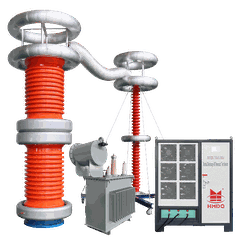
In the field of high-voltage electrical testing, DC hipot testers are essential tools for assessing insulation integrity and preventing system failures. These instruments apply a controlled direct current (DC) voltage to electrical equipment and measure insulation resistance to identify potential weak points. Thanks to the integration of modern microprocessing technology, today's testers offer unmatched accuracy and safety, making them indispensable for electric utilities, industrial plants, and renewable energy projects. This article discusses the key features and technological advances that make these devices reliable guardians of electrical infrastructure.
Core technology: high-voltage precision manufacturing and measurement
One of the outstanding features of advanced DC hipot testers is their ability to generate and regulate high-voltage DC power with exceptional accuracy. Using stabilized voltage conversion circuits and digital signal processing, these testers can maintain output power stability within ±0.5% under varying load conditions. This accuracy ensures that insulation tests, such as dielectric strength evaluations, are performed without overloading the materials, reducing the risk of false positives and equipment damage.
The main features of the technology are as follows:
•Programmed voltage ramp-up: gradual increase in voltage to avoid current overload, which is essential for testing sensitive components such as transformers or cross-linked polyethylene cables.
•Automatic discharge function: immediate dissipation of residual energy after testing to improve operator safety.
•Multi-range insulation resistance measurement: identification of resistance values ranging from hundreds of megaohms to teraohms, enabling early detection of moisture ingress or insulation deterioration.
These innovations are supported by patented algorithms that compensate for environmental variables (such as temperature and humidity), ensuring consistent results across different field conditions.
Applications for global energy infrastructure development
Testing DC hypotheses has become widespread in preventive maintenance programs around the world. For example, in cross-border power transmission projects, including those in the Belt and Road Initiative regions, these testers check cable insulation before power is supplied, minimizing the risk of power outages. Similarly, in Latin American industrial plants, these devices are used to assess the integrity of motor and switchgear windings in accordance with international standards IEC 60243 and IEEE 400.
A notable application is related to renewable energy infrastructure: solar farms use DC hipot testers to check the insulation of photovoltaic panels, thus avoiding current leakage that reduces system efficiency. This underscores the role of testers in supporting the transition to sustainable energy.
Conclusion
DC Hipot Tester embodies a combination of precision engineering and safety-conscious design. Their advanced features, including precise voltage control and intelligent diagnostics, enable professionals to maintain power supply reliability while adhering to global safety protocols. As power systems evolve, these tools will remain essential for protecting infrastructure investments. For those looking to improve their testing capabilities, exploring modern DC testing solutions is a step toward preparing electrical assets for the future.