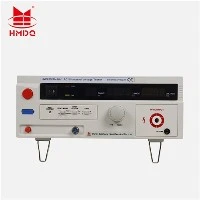
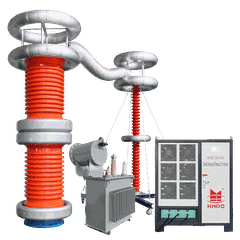


HM-MS2674 High Voltage Tester: AC Hipot Testing for Electrical Insulation Safety
Electrical insulation is an important safety barrier in electrical equipment. Insulation failure can cause electric shock, short circuits, equipment damage, and operational risks.
A high voltage tester is used to apply a specified test voltage to insulation and evaluate whether it can withstand the electrical stress without breakdown or excessive leakage current.
The HM-MS2674 High Voltage Tester is designed for high-voltage withstand testing applications involving electrical and electronic equipment, components, and insulation materials. It can be used in manufacturing inspection, electrical laboratories, quality control, and maintenance testing when its rated output and test configuration meet the requirements of the equipment under test.
1. What Is a High Voltage Withstand Test?
A high voltage withstand test, also known as a hipot test or dielectric strength test, applies a voltage higher than the normal operating voltage to evaluate insulation performance.
The test is used to check whether insulation between conductive parts can withstand a specified electrical stress.
Typical test arrangements include:
Between live conductors and ground
Between primary and secondary circuits
Between electrical windings and the enclosure
Between conductive components and insulating materials
Across insulation barriers
The test voltage, duration, current limit, and acceptance criteria must be selected according to the applicable product standard or approved test procedure.
A withstand test is different from an insulation resistance test. Insulation resistance testing measures resistance under a specified DC voltage, while a hipot test evaluates insulation under a prescribed electrical stress.
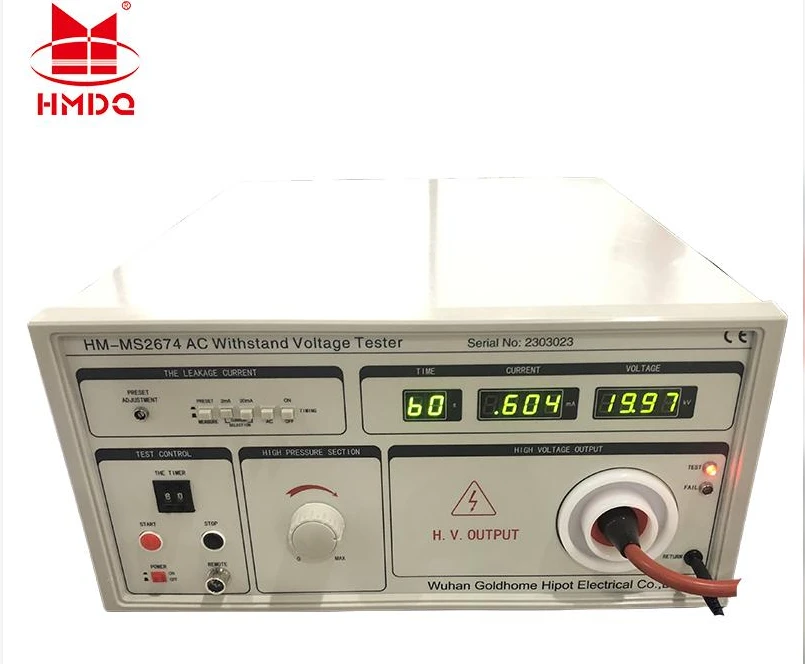
2. How the HM-MS2674 High Voltage Tester Works
The basic working principle of an AC hipot tester is to generate an adjustable high voltage and apply it to the test object through a dedicated high-voltage output circuit.
During testing, the instrument monitors the electrical response of the connected insulation.
The basic testing process is:
Connect the test object according to the test procedure.
Set the required test voltage.
Set the leakage current limit and test duration, where applicable.
Increase the output voltage to the specified value.
Maintain the voltage for the required duration.
Monitor leakage current and abnormal electrical conditions.
Determine whether the test object passes or fails according to the specified criteria.
If the test object experiences insulation breakdown or exceeds the preset current limit, the tester should trigger its configured protection or test-failure response.
The exact protection functions and operating sequence depend on the instrument configuration.
3. Key Testing Functions
AC Withstand Voltage Testing
AC withstand testing applies an alternating high voltage to insulation.
It is commonly used during electrical product manufacturing, incoming inspection, routine quality testing, and laboratory verification.
AC hipot testing can evaluate insulation between:
Power circuits and ground
Transformer windings and the core
Electrical contacts and enclosures
Internal circuits with different voltage ratings
Conductive and nonconductive parts
The applied voltage must be appropriate for the insulation structure and applicable standard.
Leakage Current Monitoring
Leakage current is an important parameter during withstand testing.
The measured current may include capacitive current and resistive current through the insulation. For AC testing, the current can also be influenced by the capacitance of the test object, test voltage, and frequency.
Therefore, the leakage current limit should not be selected without considering the characteristics of the equipment under test.
A suitable test limit helps identify abnormal insulation behavior while reducing the risk of unnecessary test failures.
Test Duration Control
A withstand test normally requires the voltage to remain at the specified level for a defined period.
The test duration can be determined by:
Product safety requirements
Manufacturing inspection procedures
Applicable standards
Customer acceptance specifications
Internal quality control procedures
The timer function helps standardize test duration during repeated testing.

4. Typical Applications of HM-MS2674
The HM-MS2674 high voltage tester can be applied to insulation withstand testing in various electrical manufacturing and testing environments, subject to the actual voltage and current ratings.
Electrical Components
Testing may include insulation barriers, electrical connectors, switches, terminals, and other components requiring dielectric verification.
Electrical Appliances
Hipot testing is commonly used in electrical appliance manufacturing to verify insulation between power circuits and accessible conductive parts.
Motors and Electrical Windings
Depending on the rated output and the winding configuration, withstand testing can be used to assess insulation between windings and ground.
The required voltage must be selected according to the motor specification and applicable testing procedure.
Transformers and Electrical Equipment
Insulation testing can be performed on selected electrical insulation structures and components.
However, a general-purpose hipot tester should not automatically be considered suitable for all transformer dielectric tests. Transformer induced voltage testing, separate-source AC withstand testing, and other dielectric tests may require different equipment configurations and voltage or power ratings.
Insulation Materials
The tester may be used for dielectric evaluation of insulation materials and assemblies when the test fixture, electrode arrangement, and test procedure are appropriate.
5. How to Select the Correct Test Voltage
Selecting the test voltage is one of the most important parts of a hipot test.
The correct voltage is not determined only by the rated operating voltage of the equipment. It may depend on insulation type, equipment category, environmental conditions, product standard, and test location.
Before testing, confirm:
Required AC or DC test voltage
Voltage ramp-up procedure
Test duration
Maximum permitted leakage current
Test connection and grounding arrangement
Whether the equipment is suitable for the required voltage and capacitive load
For AC testing, the voltage is normally specified as an RMS value unless otherwise stated.
The tester's maximum output voltage should not be treated as the recommended voltage for every test object.
6. High Voltage Tester vs. Insulation Resistance Tester
These two instruments serve different testing purposes.
| Test Equipment | Main Purpose | Typical Test Method |
|---|---|---|
| AC Hipot Tester | Verify insulation withstand capability | Apply specified AC high voltage |
| DC Hipot Tester | Verify insulation withstand capability under DC stress | Apply specified DC high voltage |
| Insulation Resistance Tester | Measure insulation resistance | Apply DC voltage and measure resistance |
| Partial Discharge Tester | Detect and evaluate localized insulation discharge | Measure discharge activity under specified voltage conditions |
A hipot test is generally a withstand test rather than a complete insulation condition diagnostic.
Passing a hipot test does not necessarily mean that the insulation is free from aging, moisture, internal defects, or partial discharge activity.
For critical insulation systems, additional diagnostic tests may be required.
7. Practical Test Procedure
A typical testing procedure for an AC high voltage withstand tester includes the following steps.
Step 1: Check the Test Object
Inspect the equipment for visible damage, contamination, moisture, and loose connections.
Confirm that the test object is disconnected from normal operating power.
Step 2: Prepare the Test Area
Establish a controlled testing area and prevent unauthorized access.
Ensure that grounding, protective barriers, warning indicators, and emergency shutdown arrangements are available as required.
Step 3: Connect the Test Leads
Connect the high-voltage output and return or ground connections according to the instrument's operating instructions.
The test connection must be suitable for the insulation structure being evaluated.
Step 4: Set the Test Parameters
Set the required voltage, leakage current limit, and test duration.
These parameters should come from the approved testing procedure rather than arbitrary values.
Step 5: Perform the Test
Apply the test voltage according to the prescribed ramp-up procedure.
Observe the voltage and leakage current during the test.
Step 6: Evaluate the Result
Record the test voltage, duration, leakage current, test status, and any abnormal events.
Determine the pass/fail result according to the applicable test criteria.
Step 7: Discharge the Test Object
After testing, discharge the test object and verify that no hazardous residual voltage remains before touching the equipment or changing connections.
8. Technical Specifications to Confirm Before Purchase
Because model specifications may vary between configurations and published product versions, the following parameters should be confirmed using the final HM-MS2674 datasheet.
| Parameter | Confirmation Required |
|---|---|
| Output voltage | AC range and whether DC output is available |
| Output current | Rated current and adjustable current range |
| Output power | Maximum rated output capacity |
| Voltage accuracy | Measurement and output accuracy |
| Leakage current measurement | Range, resolution, and accuracy |
| Test duration | Timer range and continuous/manual mode |
| Protection | Overcurrent, breakdown, and other protection functions |
| Display | Voltage, current, timer, and test status |
| Interface | Remote control, RS232, PLC, or other interfaces if available |
| Input power | Voltage, frequency, and power requirements |
| Operating environment | Temperature and humidity range |
Do not select the tester based on model number alone. Confirm that the rated voltage, current, power, and test duration meet the actual testing requirements.
9. Safety Considerations for Hipot Testing
High voltage testing presents an electric shock hazard. Proper procedures are essential.
Use the instrument only within its rated operating range.
Ensure the test object is isolated from normal power.
Establish a safety boundary around the test area.
Use properly rated test leads and connectors.
Keep the test object and instrument properly grounded as required.
Never touch the test object during high voltage output.
Stop testing if abnormal arcing, noise, or unexpected current occurs.
Discharge capacitive test objects after the test.
Verify that residual voltage has been removed before handling.
Testing should be performed by trained personnel following the instrument manual and the relevant electrical safety procedures.
10. Goldhome High Voltage Testing Solutions
Wuhan Goldhome Hipot Electrical Co., Ltd. provides high voltage testing equipment for electrical manufacturers, power utilities, engineering contractors, and testing laboratories.
The product range includes AC/DC hipot testers, high voltage test transformers, AC resonant test systems, partial discharge test systems, transformer testing equipment, and other electrical test solutions.
For projects requiring a specific test voltage, leakage current range, test capacity, or automated testing arrangement, the equipment configuration should be matched to the customer's test procedure and technical requirements.
Website: https://www.goldhomehipot.com
Conclusion
The HM-MS2674 High Voltage Tester is intended for electrical insulation withstand testing. Its value in a testing process depends on selecting the correct test voltage, current limit, duration, connection method, and acceptance criteria.
For reliable testing, engineers should confirm the exact instrument specifications and follow a controlled test procedure. Proper test selection and safe operation are essential for meaningful insulation evaluation.