


Transformer TTR Tester vs Transformer Comprehensive Test System
A transformer turns ratio test and a complete transformer routine test are two different jobs. A Transformer TTR Tester focuses on the ratio between high-voltage and low-voltage windings, while a Transformer Comprehensive Test System coordinates several transformer tests through one integrated setup.
The distinction matters when selecting equipment: a field service team checking ratio at a substation may need a portable TTR tester, while a transformer manufacturer performing routine factory testing may require a broader test system.

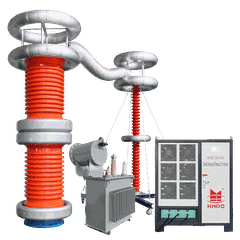
Figure 1. Transformer turns ratios testing equipment for field ratio checks and broader routine testing.
1. What Is a Transformer TTR Tester?
TTR stands for Transformer Turns Ratio. A TTR tester measures the relationship between the number of turns on transformer windings and compares the measured ratio with the expected transformer ratio.
A TTR test is commonly used for new transformer inspection, factory routine testing, commissioning, preventive maintenance, transformer repair, tap changer inspection, troubleshooting, and post-transportation inspection.
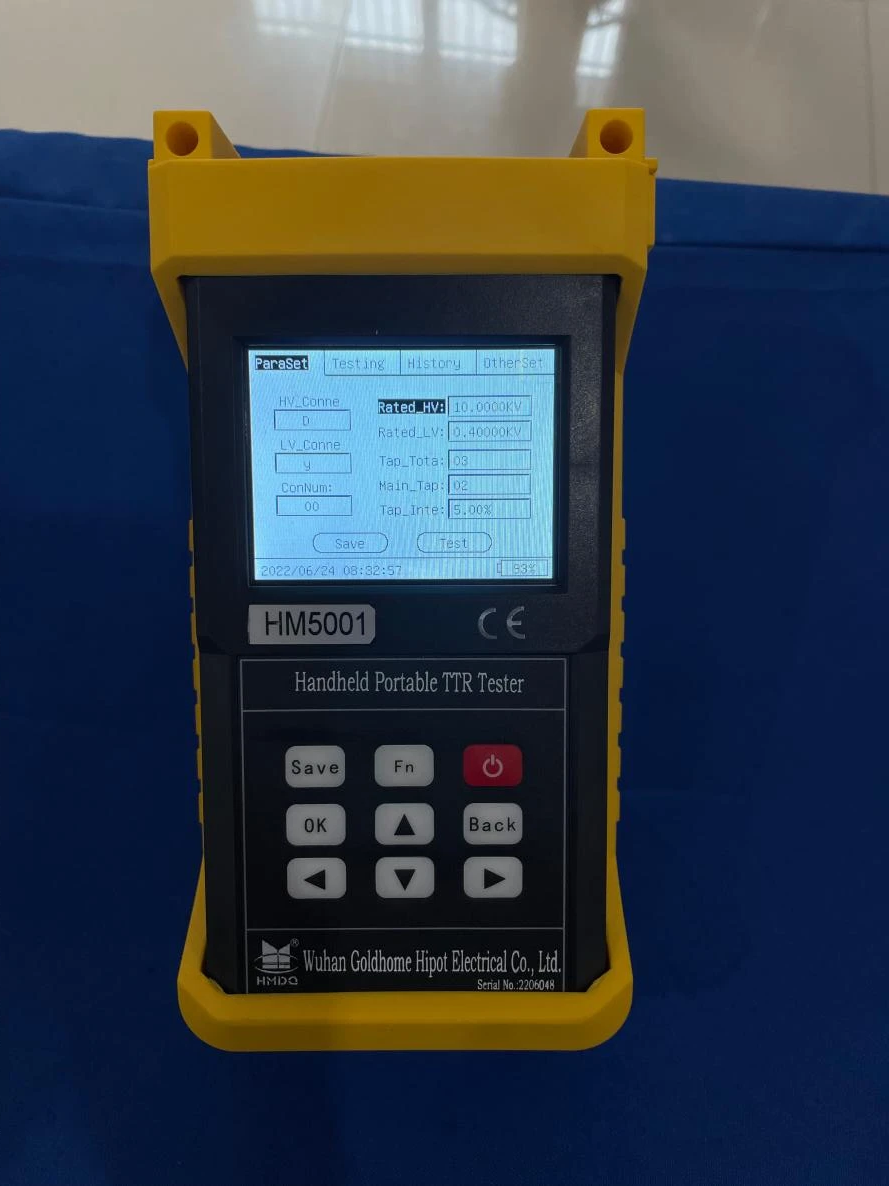
Figure 2. Portable transformer TTR tester for ratio measurement and field inspection.
2. What Can a Modern TTR Tester Measure?
A modern TTR tester is more than a basic ratio meter. Depending on the configuration, it may provide:
Turns ratio measurement
Ratio error calculation
Vector group identification
Phase angle information
Automatic three-phase measurement
Tap position testing
Data storage and USB export
Test result printing
Goldhome's published TTR product information specifies a ratio range up to 10,000 and includes functions for conventional transformer ratio testing as well as PT/CT ratio and polarity testing. The published configuration also includes a lithium battery, LCD display, data storage and USB storage.

Figure 3. Portable TTR measurement functions.
3. What Is a Transformer Comprehensive Test System?
A Transformer Comprehensive Test System is designed for a much broader testing program. Instead of measuring only the turns ratio, it can combine the power supply, voltage regulation, measuring instruments, control console, test transformer and software needed for several transformer tests.
Goldhome's HM5050 Integrated Transformer Comprehensive Test Bench is published for power transformers with rated capacities from 50 kVA to 5000 kVA, with listed voltage configurations including 6, 11, 24 and 36 kV/380 V. The published test scope includes no-load/load testing, temperature rise testing, power-frequency withstand voltage testing and induced withstand voltage testing.
The published system configuration includes an automatic console, variable boost system, test transformer, three-phase inductive voltage regulator, three-phase step-up transformer, multiple-frequency generator, no-load/load tester, measurement system, and grounding/connection accessories. DC resistance testing is also listed within the HM5050 parameters.
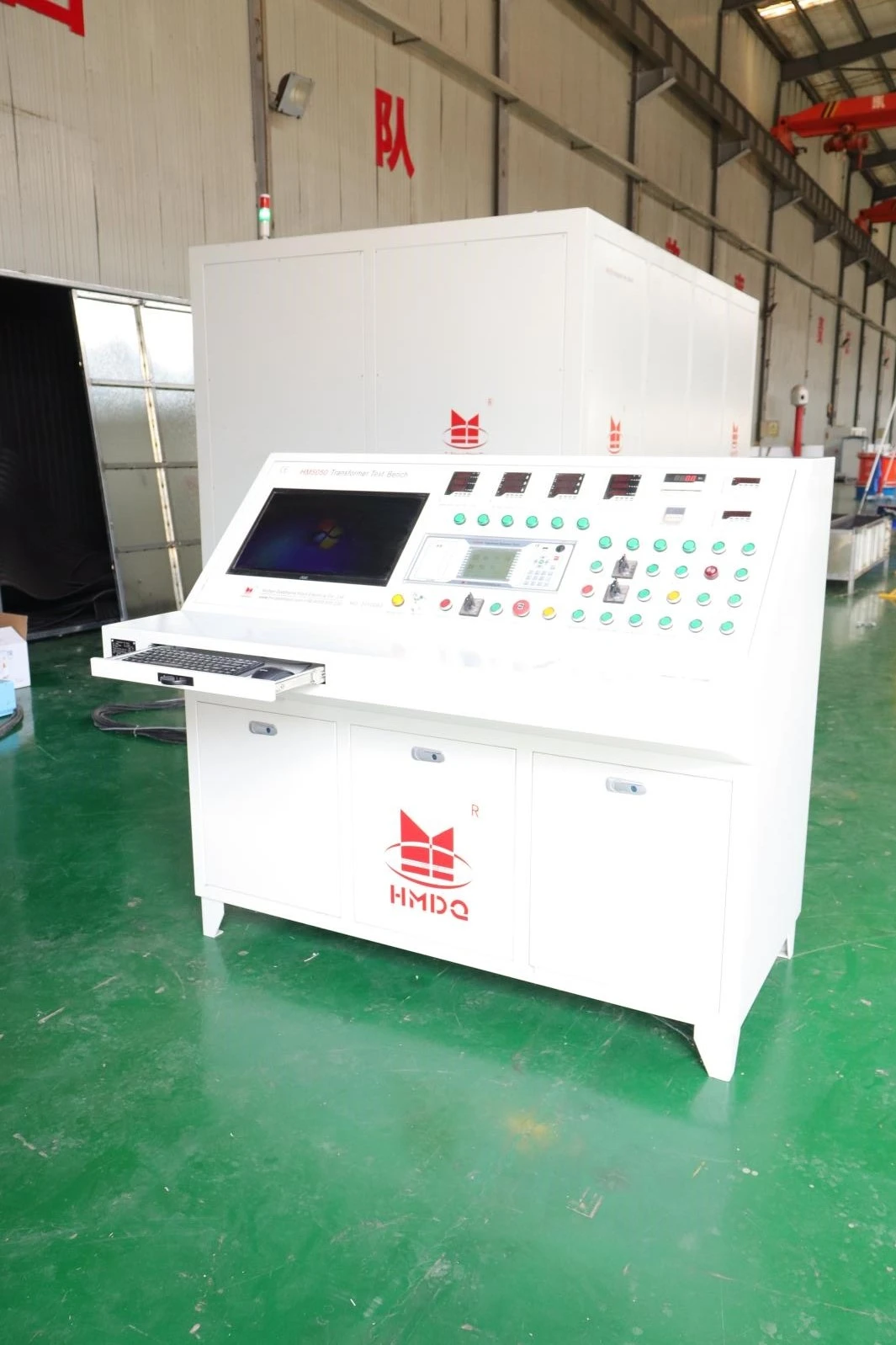
Figure 5. transformer test bench on-site pictures in Goldhome Factory
4. TTR Tester vs Comprehensive Test System
|
Item |
Transformer TTR Tester |
Comprehensive Test System |
|
Main purpose |
Turns ratio and related parameters |
Multiple transformer tests |
|
Primary measurement |
Transformer ratio |
Loss, withstand, temperature, resistance and other tests |
|
Portability |
Usually portable |
Usually fixed or semi-fixed |
|
Installation |
Relatively simple |
Requires dedicated test area |
|
Operator involvement |
Relatively low |
Requires system operation and safety procedures |
|
Test voltage/power |
Built into the TTR measurement |
External/combined power and boosting equipment |
|
Data management |
Tester storage/USB/printing, depending on model |
Centralized measurement and software |
|
Factory use |
Ratio inspection |
Complete routine testing |
|
Field use |
Very suitable |
Suitable where the site can accommodate the system |
|
Typical buyer |
Utility, service team, maintenance company |
Transformer manufacturer, laboratory, testing center |
|
Testing scope |
Focused |
Broad |
The important difference is test scope, not simply equipment size. A comprehensive system is not just a larger TTR tester; it is a coordinated platform for a wider transformer test program.
5. What Does a TTR Test Actually Check?
If a transformer has known high-voltage and low-voltage winding ratings, the expected turns ratio can be calculated from the rated voltage relationship. The TTR tester applies a suitable test signal, measures the corresponding winding voltages, and calculates the actual ratio.
For three-phase transformers, the test may also examine the relationship between phases.
- Incorrect winding connections
- Incorrect tap position
- Winding or connection problems
- Incorrect phase connections
- Abnormal ratio deviation
- Problems introduced during repair
For field engineers, this makes the TTR tester a practical diagnostic instrument. It answers a focused question: is the transformer's winding ratio consistent with its design and tap position?
6. What Does a Comprehensive Test System Check?
A comprehensive system works at a different level. The published HM5050 information includes no-load/load measurement of RMS voltage, rectified mean voltage, RMS current, active power, power factor and frequency, with Class 0.5 listed for the voltage and current instruments.
Published test items include no-load/load loss, power-frequency withstand voltage, temperature rise, induced withstand voltage and DC resistance. The system is therefore designed around the transformer testing process rather than one individual electrical parameter.
- No-load and load loss
- Power-frequency withstand voltage
- Induced withstand voltage
- Temperature rise
- DC winding resistance
- Other configured transformer tests
7. TTR Testing in Field Maintenance and Commissioning
One of the strongest reasons to choose a TTR tester is portability. A maintenance engineer may arrive at a substation with a transformer already installed and only need to verify ratio, vector group, or tap position.
A typical field sequence is: connect the TTR tester → select the test → measure → save the result → prepare the test record. A complete transformer test system would involve equipment beyond the immediate requirement when ratio testing is the only objective.

Figure 6. On-site transformer testing using a TTR tester.
8. Comprehensive Testing for Factory Routine Tests
A transformer manufacturer may need to verify several parameters for each finished transformer. A routine program can include no-load loss, load loss, withstand, induced withstand, temperature rise and DC resistance.
Using separate instruments for every test can create repeated connections and manual data handling. A comprehensive test system brings multiple functions into a coordinated test platform with centralized measurement and control.

Figure 7. Transformer factory acceptance and routine testing environment.
9. TTR Tester and Comprehensive System Can Be Used Together
These two products should not always be treated as alternatives. A transformer factory may use an integrated test system for routine production testing while keeping a portable TTR tester for maintenance and troubleshooting.
Factory testing → comprehensive system for no-load/load, withstand, induced, temperature-rise and configured resistance testing.
Field maintenance → portable TTR tester for turns ratio, vector group, ratio error and tap-position checks.
This combination gives a testing team equipment for two different working environments.
10. Data Management and Test Records
A TTR tester generally stores data associated with the ratio test. Depending on the model, engineers can save test results, export data, print results, and review previous measurements.
A comprehensive system handles a larger set of test information. A factory record may include transformer ID, rated capacity, rated voltage, no-load loss, load loss, DC resistance, power factor, withstand result, induced-test result and temperature-rise result.
Centralized records are especially useful for factory quality assurance and final inspection.
11. How to Specify the Equipment
A TTR tester is selected primarily according to measurement range, accuracy, test voltage, transformer type and required functions.
A comprehensive system requires a broader technical specification, including:
Transformer rated capacity
HV and LV voltage
Frequency
Impedance
Phase configuration
Required test items
Factory power supply
Required output voltage/current
Required test duration
Local standards
Data and report requirements
Test-area dimensions and safety requirements

Figure 8. Transformer testing equipment selection according to test scope and application.
12. When Should You Choose a TTR Tester?
- Your main requirement is transformer turns-ratio testing.
- Testing is performed at substations or multiple customer sites.
- You need commissioning, maintenance, repair or troubleshooting checks.
- You need vector-group, ratio-error or tap-position verification where supported by the model.
- You need a compact and portable test instrument.
13. When Should You Choose a Comprehensive Test System?
- .You need several transformer tests from one coordinated setup.
- You perform routine factory testing or production quality control.
- You need no-load/load, withstand, induced, temperature-rise and resistance testing in the configured system.
- You operate a transformer testing laboratory, repair factory, utility test center or R&D facility.
- You need centralized control, measurement and structured test records.
Goldhome lists transformer manufacturing quality control, substation commissioning and maintenance, industrial maintenance, winding-workshop repair validation, renewable-energy plant maintenance, railway traction power systems and R&D laboratories among the application scenarios for its integrated transformer test bench.
14. Buyer Checklist
|
If you need a TTR Tester |
If you need a Comprehensive Test System |
|
Transformer type |
Transformer capacity range |
|
Single- or three-phase |
Maximum HV voltage |
|
Rated voltage |
LV voltage |
|
Rated capacity |
Frequency |
|
Turns ratio range |
Impedance range |
|
Number of tap positions |
Required test items |
|
Vector group testing |
Factory power supply |
|
Field or factory use |
Required test output |
|
Data storage requirements |
Test transformer requirements |
15. Final Selection Guide
Choose a Transformer TTR Tester when the main requirement is turns ratio measurement, vector group checking, ratio-error measurement, tap-position verification, portable field testing, maintenance or repair inspection.
Consider a Transformer Comprehensive Test System when the project requires no-load/load testing, withstand testing, induced withstand testing, temperature rise, DC resistance, multiple transformer test functions, factory routine testing, centralized control and structured test records.
For Goldhome, these are not two versions of the same machine. A TTR tester is a specialized transformer measurement instrument, while a comprehensive test system is a coordinated transformer testing platform. The right choice comes down to test scope, transformer ratings, location, testing frequency and required workflow.