



Portable Gas Chromatograph: How It Works, Where It Fits, and How to Choose
Portable Gas Chromatograph for Transformer Oil Analysis and Field Applications
Gas chromatography is an important analytical technique for identifying and measuring gas components in a sample. In the power industry, it is widely used in dissolved gas analysis (DGA) to assess the condition of oil-filled transformers and other oil-immersed electrical equipment.
A portable gas chromatograph brings analytical capabilities closer to the testing site. Depending on its configuration, it can support field analysis, laboratory work, maintenance inspections, and industrial gas measurement.
For power utilities, transformer service companies, and electrical testing laboratories, selecting the right portable gas chromatograph requires an understanding of its working principle, application requirements, measurement performance, and operating conditions.
1. What Is a Portable Gas Chromatograph?
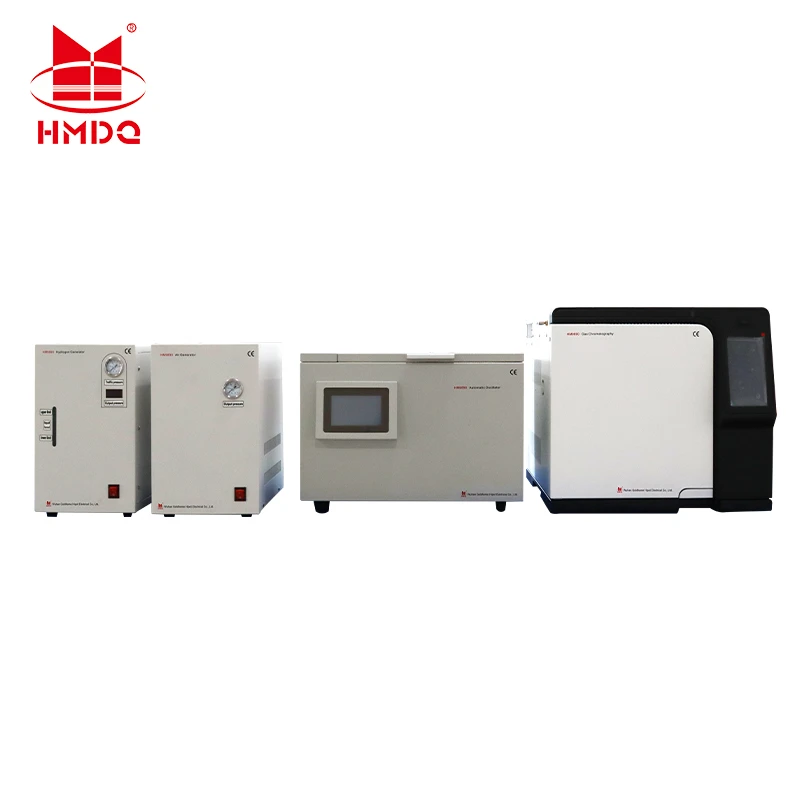
A portable gas chromatograph is an analytical instrument designed to separate and measure the components of a gas sample. Compared with conventional laboratory systems, portable models are generally designed for easier transportation and on-site operation.
The instrument typically includes a sample introduction system, a chromatographic column, a carrier gas supply, a detector, and data processing software.
In transformer maintenance, gas chromatography is commonly used to analyze gases dissolved in insulating oil. These gases may be generated by electrical faults, thermal degradation, or insulation deterioration.
Common target gases in transformer oil DGA include:
Hydrogen (H₂)
Methane (CH₄)
Ethane (C₂H₆)
Ethylene (C₂H₄)
Acetylene (C₂H₂)
Carbon monoxide (CO)
Carbon dioxide (CO₂)
The gases measured depend on the instrument configuration and analytical method. Not every portable gas chromatograph is designed to measure all of these components.
2. How Does a Portable Gas Chromatograph Work?
Gas chromatography separates a sample into individual components according to their interactions with the chromatographic column and the selected operating conditions.
The general analytical process includes the following steps.
Step 1: Sample Preparation
For transformer oil DGA, dissolved gases must first be extracted from the insulating oil using a validated extraction method. The extracted gas is then introduced into the gas chromatograph.
For direct gas analysis applications, the sample introduction procedure may be different.
Step 2: Sample Injection
A measured volume of the prepared gas sample enters the chromatographic system. Consistent injection and sample handling are important for obtaining repeatable results.
Step 3: Gas Separation
The carrier gas transports the sample through a chromatographic column. Different gas components interact differently with the column and therefore pass through it at different times.
This process allows the instrument to separate individual gas components for measurement.
Step 4: Detection and Data Analysis
As each component exits the column, the detector generates a signal. The instrument software processes the resulting chromatogram and calculates the concentration of each target gas using an appropriate calibration method.
Step 5: Result Interpretation
For transformer oil analysis, the measured gas concentrations are evaluated according to the applicable DGA standards, historical test results, and equipment operating conditions.
Gas concentration results can help maintenance personnel identify abnormal gas generation and determine whether further investigation is required. A diagnosis should not be based on a single gas measurement alone.
3. Where Is a Portable Gas Chromatograph Used?
Portable gas chromatographs can serve different applications depending on their measurement range, detector configuration, sample preparation system, and operating requirements.
Transformer Oil Dissolved Gas Analysis
One important application is transformer oil DGA. Dissolved gas analysis helps assess the condition of oil-filled transformers by measuring gases associated with thermal and electrical faults.
A suitable analytical system can support:
Transformer commissioning and acceptance testing
Routine transformer maintenance
Follow-up testing after abnormal operating events
Investigation of suspected internal faults
Comparison of gas concentration trends over time
For this application, users should confirm that the complete analytical method supports the required gases and concentration ranges.
Electrical Substation Maintenance
Power utilities and maintenance contractors may need to collect and analyze transformer oil samples during field inspections. Portable equipment can help reduce the need to transport every sample to a central laboratory, provided the instrument is validated for the intended field procedure.
Industrial Gas Analysis
Portable gas chromatography can also be used in selected industrial applications, including process gas analysis, environmental investigations, and gas quality testing.
However, these applications may require different columns, detectors, calibration gases, and sampling systems. A model intended for transformer oil DGA should not automatically be considered suitable for every industrial gas analysis task.
4. Portable vs. Laboratory Gas Chromatograph
The main difference between portable and laboratory gas chromatographs is their intended operating environment and system configuration.
| Comparison Item | Portable Gas Chromatograph | Laboratory Gas Chromatograph |
|---|---|---|
| Primary use | Field testing and mobile analysis | Laboratory analysis and routine testing |
| Mobility | Designed for transportation | Usually installed in a fixed location |
| Sample throughput | Depends on model and workflow | Can support higher-volume workflows |
| Operating environment | May support field conditions within specified limits | Usually operates in a controlled environment |
| Configuration | Often optimized for selected applications | Can offer broader configuration options |
| Selection priority | Portability, setup, and field workflow | Analytical requirements, throughput, and laboratory procedures |
Neither type is universally better. The appropriate choice depends on testing frequency, analytical requirements, sample volume, available facilities, and the need for on-site results.
5. How to Choose a Portable Gas Chromatograph
Before purchasing a portable gas chromatograph for electrical testing or transformer oil analysis, buyers should evaluate the following factors.
5.1 Target Gas Components
Confirm which gases the instrument can measure. For transformer oil DGA, check whether the configuration covers the required hydrocarbon gases, hydrogen, carbon monoxide, and carbon dioxide.
5.2 Detection Range and Measurement Performance
Review the specified detection limits, measurement ranges, repeatability, accuracy, and applicable test methods.
These parameters should be assessed against the actual sample concentrations and the requirements of the intended application. Avoid comparing instruments using a single detection-limit figure without checking the test conditions.
5.3 Sample Extraction and Introduction
For transformer oil DGA, sample preparation is a critical part of the measurement process. Confirm whether the supplier provides a compatible gas extraction method, sample handling procedure, and calibration workflow.
5.4 Portability and Field Operation
Consider instrument weight, power requirements, setup time, environmental operating limits, data storage, and the ease of transporting the equipment between substations.
If testing takes place in hot, humid, dusty, or remote environments, check the manufacturer's specified operating conditions before making a decision.
5.5 Calibration and Maintenance
Reliable results require suitable calibration gases, validated procedures, regular performance checks, and appropriate maintenance.
Ask the supplier about calibration intervals, consumables, replacement parts, technical support, and operator training.
5.6 Standards and Data Interpretation
Check whether the instrument and its analytical method support the relevant standards and reporting requirements.
For transformer oil DGA, IEC 60567 and IEC 60599 are important references covering gas sampling and analysis, and the interpretation of dissolved and free gases, respectively. Confirm the applicable editions and specific requirements for the project.
6. Why Gas Chromatography Matters in Transformer Maintenance
Transformers are critical assets in power transmission and distribution networks. Internal thermal and electrical faults may generate gases that dissolve in insulating oil.
By measuring these gases and comparing the results with previous measurements, maintenance teams can identify abnormal trends and decide whether additional diagnostic tests or inspections are necessary.
Gas chromatography provides quantitative information that supports transformer condition assessment. Its effectiveness depends on proper sampling, reliable measurement, suitable interpretation methods, and knowledge of the transformer's operating history.
For this reason, gas analysis should be integrated into a broader maintenance strategy rather than used as the only basis for determining transformer condition.
7. Goldhome's Focus on Electrical Testing and Transformer Diagnostics
Goldhome (Wuhan Goldhome Hipot Electrical Co., Ltd.) focuses on high-voltage electrical testing equipment and solutions for power industry applications.
Transformer condition assessment may involve several complementary activities, including insulating oil analysis, electrical testing, and insulation condition evaluation. The selection of analytical instruments should be based on the required test items, applicable standards, and the operating needs of the end user.
When evaluating a gas chromatograph for transformer oil DGA, power utilities, transformer manufacturers, and testing laboratories should define the target gases, measurement requirements, sample preparation method, and expected testing workload before selecting a configuration.
For technical consultation on electrical testing equipment and transformer diagnostic applications, contact Goldhome through its official website:
Website: https://www.goldhomehipot.com/
8. Frequently Asked Questions
What is a portable gas chromatograph used for?
A portable gas chromatograph is used to separate and measure gas components in samples. In the power industry, a suitably configured instrument can support transformer oil dissolved gas analysis and other specified field gas analysis applications.
Can a portable gas chromatograph analyze transformer oil directly?
In conventional transformer oil DGA, dissolved gases are extracted from the oil before chromatographic analysis. The instrument generally analyzes the extracted gas rather than measuring the dissolved gases directly in the untreated oil.
Which gases are measured in transformer oil DGA?
Common gases include hydrogen, methane, ethane, ethylene, acetylene, carbon monoxide, and carbon dioxide. The exact list depends on the analytical method and instrument configuration.
Is a portable gas chromatograph better than a laboratory model?
Not necessarily. Portable models are useful when mobility and field testing are priorities. Laboratory models may be more suitable for high sample throughput, specialized analytical requirements, or controlled laboratory workflows.
What should buyers check before purchasing a portable gas chromatograph?
Buyers should evaluate target gases, detection limits, measurement range, accuracy, repeatability, sample preparation, portability, calibration requirements, maintenance, technical support, and compliance with relevant test methods.
How much does a portable gas chromatograph cost?
The price depends on the target gases, detector configuration, analytical performance, sample preparation equipment, automation, calibration accessories, and after-sales support. Buyers should request a configuration-specific quotation rather than compare prices without checking the included functions.
Conclusion
A portable gas chromatograph can support field gas analysis and transformer oil DGA when its configuration matches the required measurement method.
Before selecting an instrument, users should confirm the target gases, analytical performance, sample preparation process, field operating conditions, and applicable standards. A well-matched system can help improve testing efficiency and provide useful data for transformer condition assessment.
For electrical utilities and transformer maintenance teams, the key is to select an analytical solution that meets the actual testing requirements and fits the existing maintenance workflow.


